Russia appoints accused child deportation suspect as human rights commissioner
Russia elevated Yana Lantratova to human rights commissioner after Ukraine named her in a child deportation case tied to occupied Kherson.

Russia’s State Duma has put a lawmaker accused by Ukraine of helping remove children from occupied territory into the country’s top human rights post, sharpening the irony at the center of Moscow’s claim to defend civil liberties.
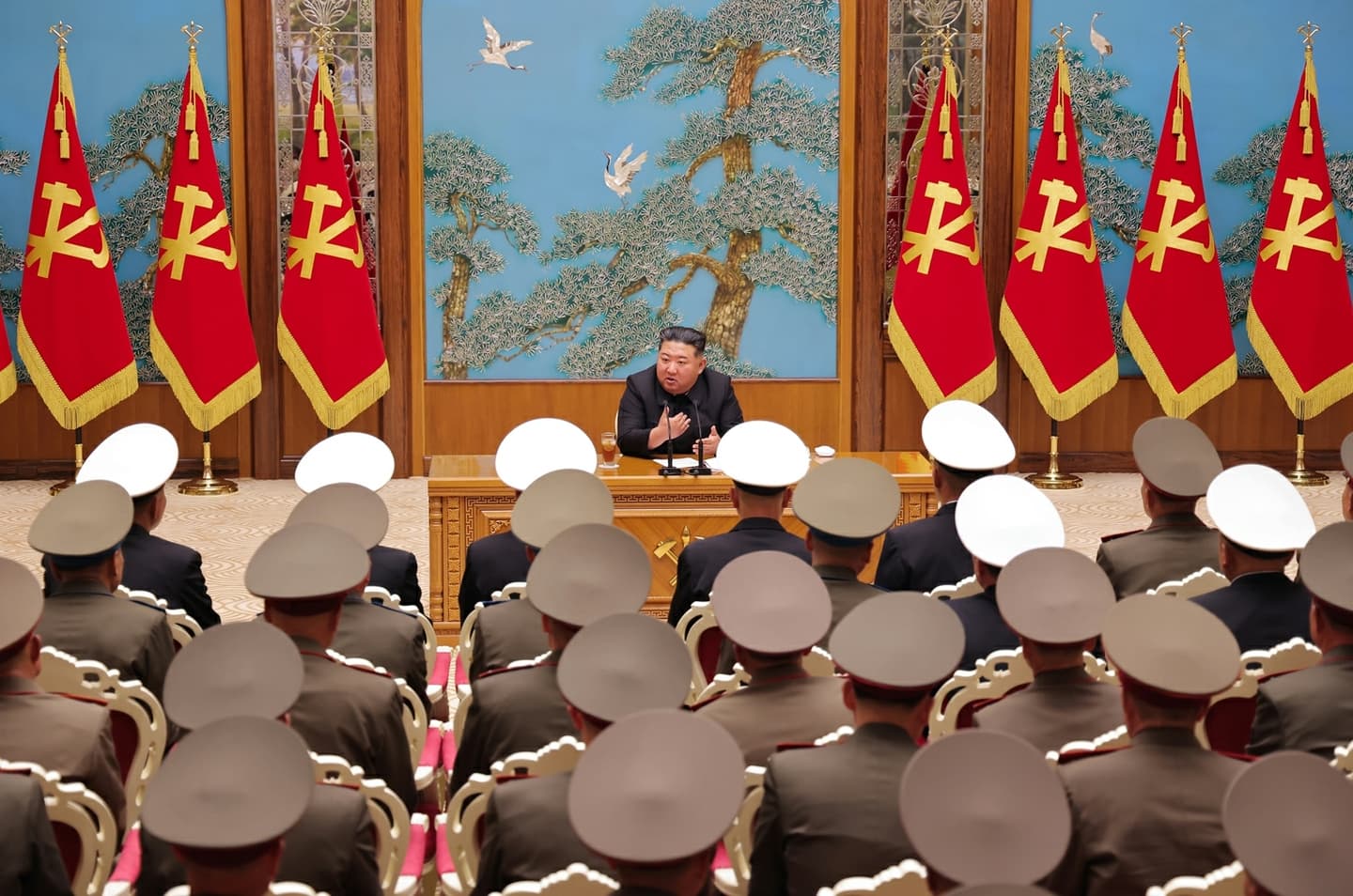
The chamber elected Yana Lantratova as Russia’s next human rights commissioner on May 14, 2026, with 301 votes in the 450-seat Duma. She replaced Tatyana Moskalkova, whose 10-year mandate ended this year, and the appointment immediately drew concern because Lantratova has been named by Ukrainian authorities in a case tied to the transfer of Ukrainian children.
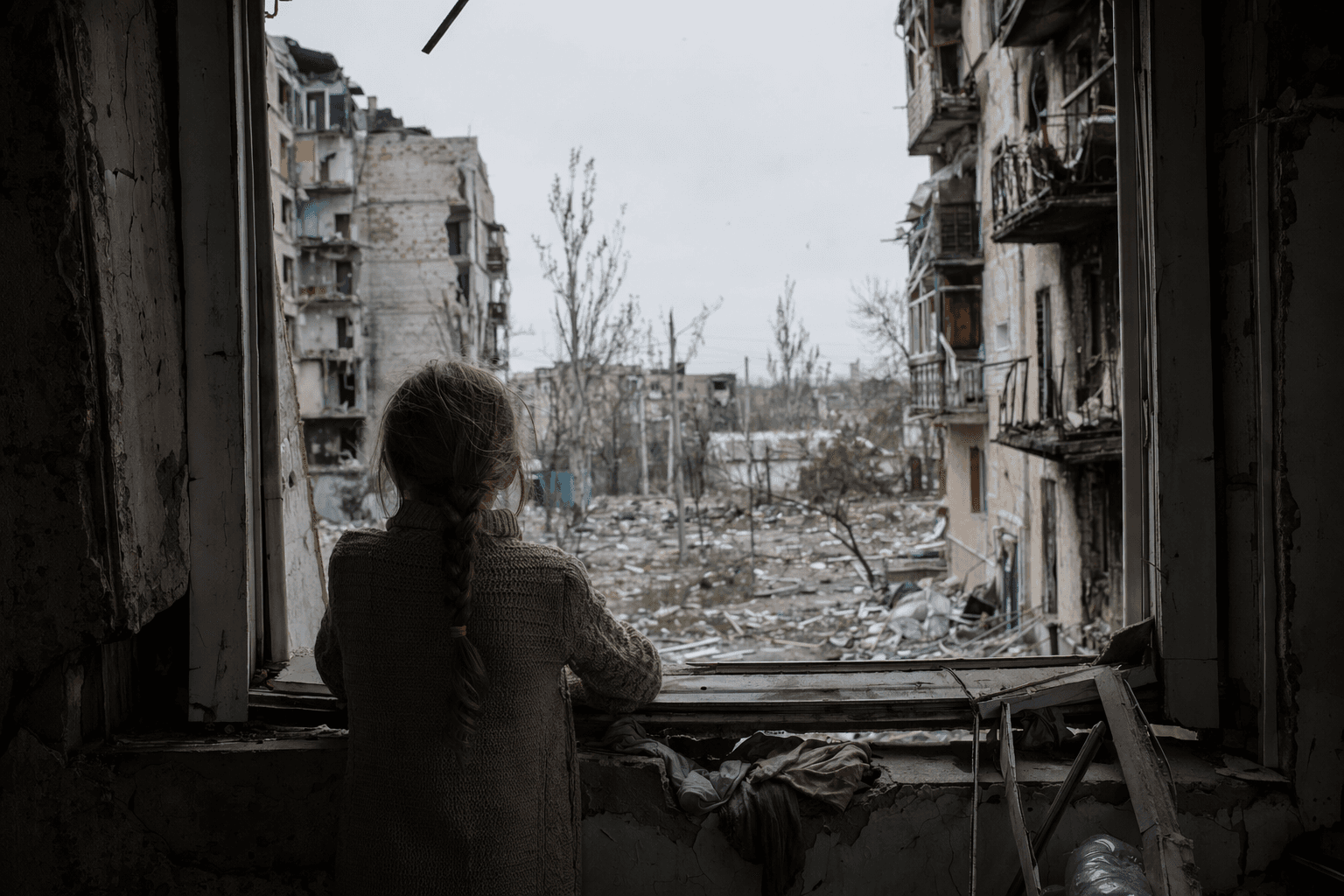
Ukraine’s Security Service announced suspicion notices against Lantratova and Inna Varlamova, the wife of A Just Russia leader Sergei Mironov, on March 19, 2024. Ukrainian media reported that the case involved two underage children from a children’s home in occupied Kherson, with one child later forcibly adopted in Russia and renamed. Ukrainian sources have also said Lantratova may be implicated in the illegal removal of dozens of children from the Kherson region to Crimea and Russia.
The allegations place her at the center of one of the most politically sensitive strands of the war: the removal of children from occupied Ukrainian territory. That history matters for more than symbolism. The human rights commissioner’s office can become part of prisoner-exchange diplomacy, complaints handling and public-facing claims about treatment of detainees, all areas where Ukraine and Russia already clash over credibility and access. The Moscow Times said the appointment could complicate future prisoner exchanges with Ukraine.
The broader legal case against Russia over child transfers has been building for years. On March 17, 2023, the International Criminal Court issued arrest warrants for Vladimir Putin and Maria Lvova-Belova over the alleged unlawful deportation and transfer of children from Ukraine. In March 2026, the United Nations Independent International Commission of Inquiry on Ukraine said Russian authorities committed crimes against humanity through the deportation and forcible transfer of Ukrainian children.
The issue also remains active on the ground. Kherson regional authorities reported that a 15-year-old girl was returned to Ukrainian-controlled territory on April 30, 2026. Ukrainian officials then said six more children were brought back from occupied Kherson the following week, including children aged 8 to 17. For Kyiv, those recoveries underscore that the machinery behind the removals has not stopped, and that any official linked to it will face scrutiny for years to come.
Know something we missed? Have a correction or additional information?
Submit a Tip