Russia brief?
Moscow paired a Victory Day ceasefire with threats of a “massive missile strike” on Kyiv, while Ukraine pressed for a longer pause instead. The dispute highlights the gap between symbolism and battlefield reality.

Russia’s new ceasefire offer is as much about image as combat. Moscow declared a unilateral two-day pause for May 8-9, timed to the 81st anniversary of Nazi Germany’s defeat in World War II, even as the war’s battlefield logic remains unchanged and both sides use Victory Day to frame the conflict on their own terms.
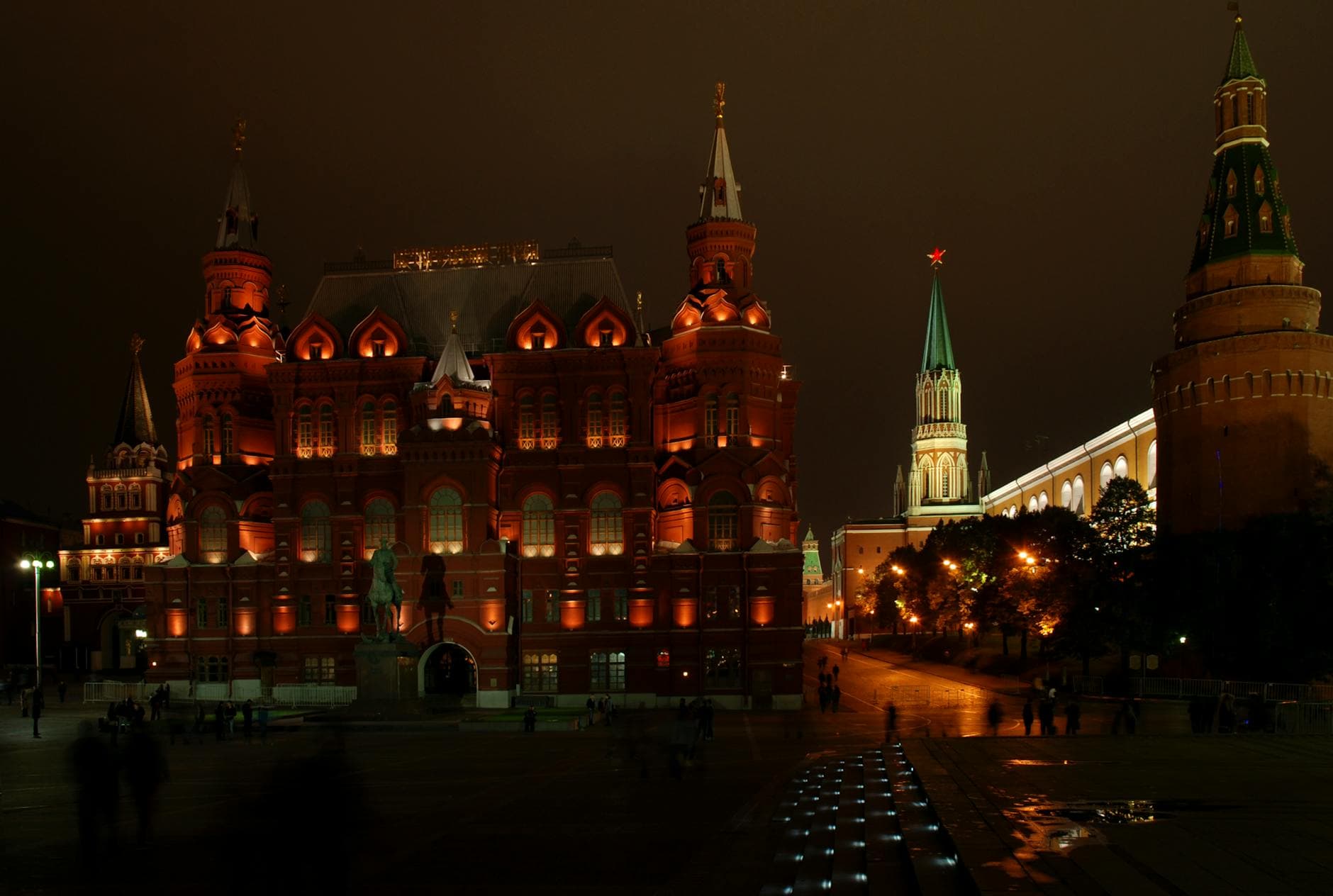
The Kremlin tied the truce to Russia’s most important secular holiday, but the political theater is hard to miss. This year’s Red Square parade is reportedly being scaled back and will be held without military hardware, including tanks and missiles, for the first time in nearly two decades, a sign of the security fears swirling around Moscow. Russian officials have blamed concerns about Ukrainian drone attacks, a reminder that the war’s reach now extends deep into Russian territory.
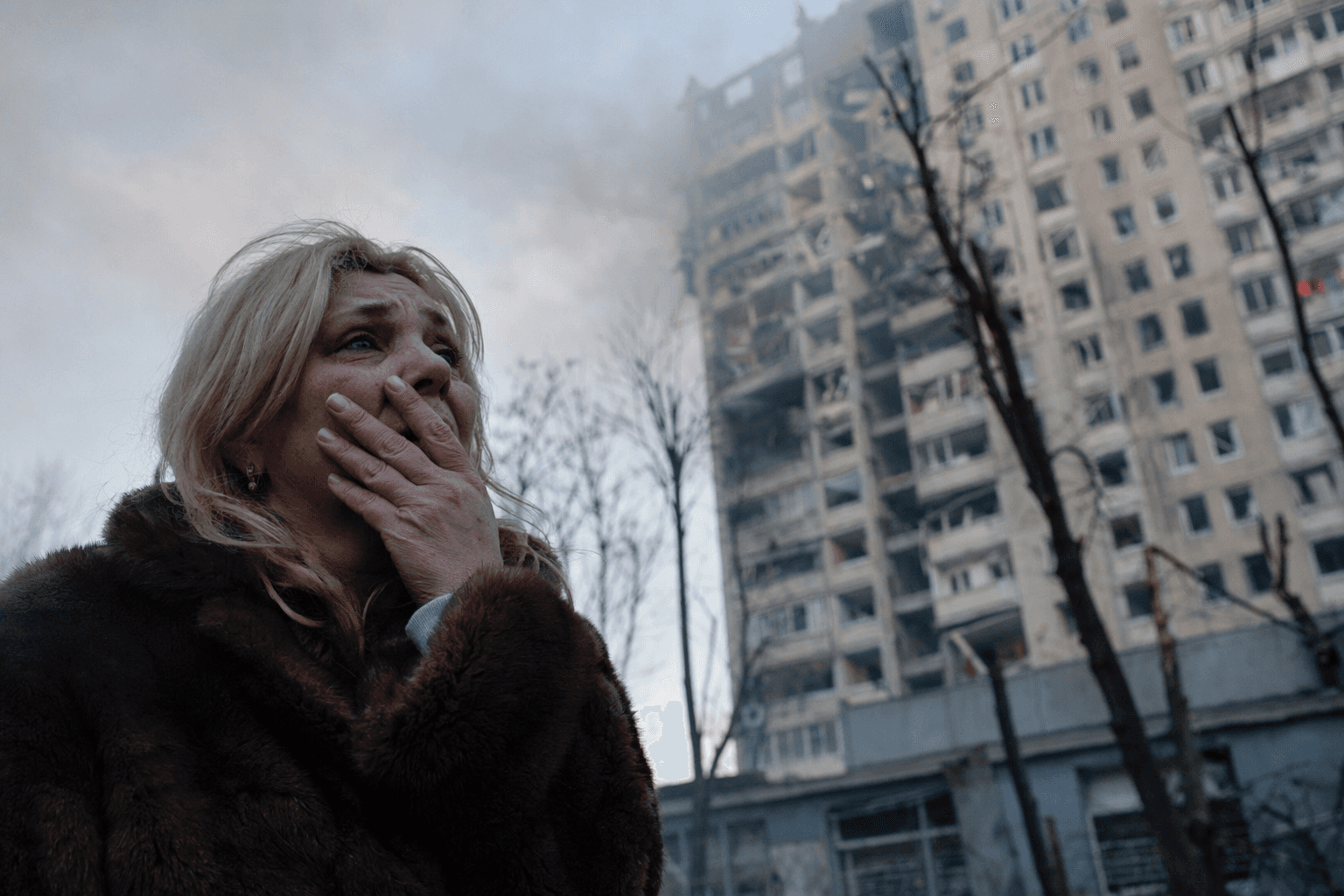
The trust deficit is immediate. Russian officials said they expected Ukraine to follow the ceasefire and warned of a “massive missile strike” on Kyiv if Ukraine violated the truce or tried to disrupt the Victory Day festivities. That threat leaves little room for the pause to function as a meaningful confidence-building step. Instead, it underscores how quickly a declared ceasefire can become another instrument of pressure, especially when neither side believes the other will honor it.
The proposal also fits into a broader diplomatic sequence that began with a late-April phone call between Vladimir Putin and Donald Trump. According to the account from the Russian side, Putin first raised the idea of a short ceasefire around the holiday, and Trump later publicly welcomed it. Volodymyr Zelenskyy responded by seeking clarification and proposing a longer ceasefire starting May 5 or 6, arguing that Kyiv had not received an official detailed Russian offer. Ukraine has not accepted the May 8-9 terms, and in previous responses to similar ideas it has said Russia should stop fighting immediately if it truly wants peace.
That timing gap matters. A pause limited to commemorative dates may reduce the risk of disruption in Moscow, but it does not answer the central question of the war: whether either side is prepared to change conditions on the battlefield rather than merely shape the narrative around them.
Know something we missed? Have a correction or additional information?
Submit a Tip