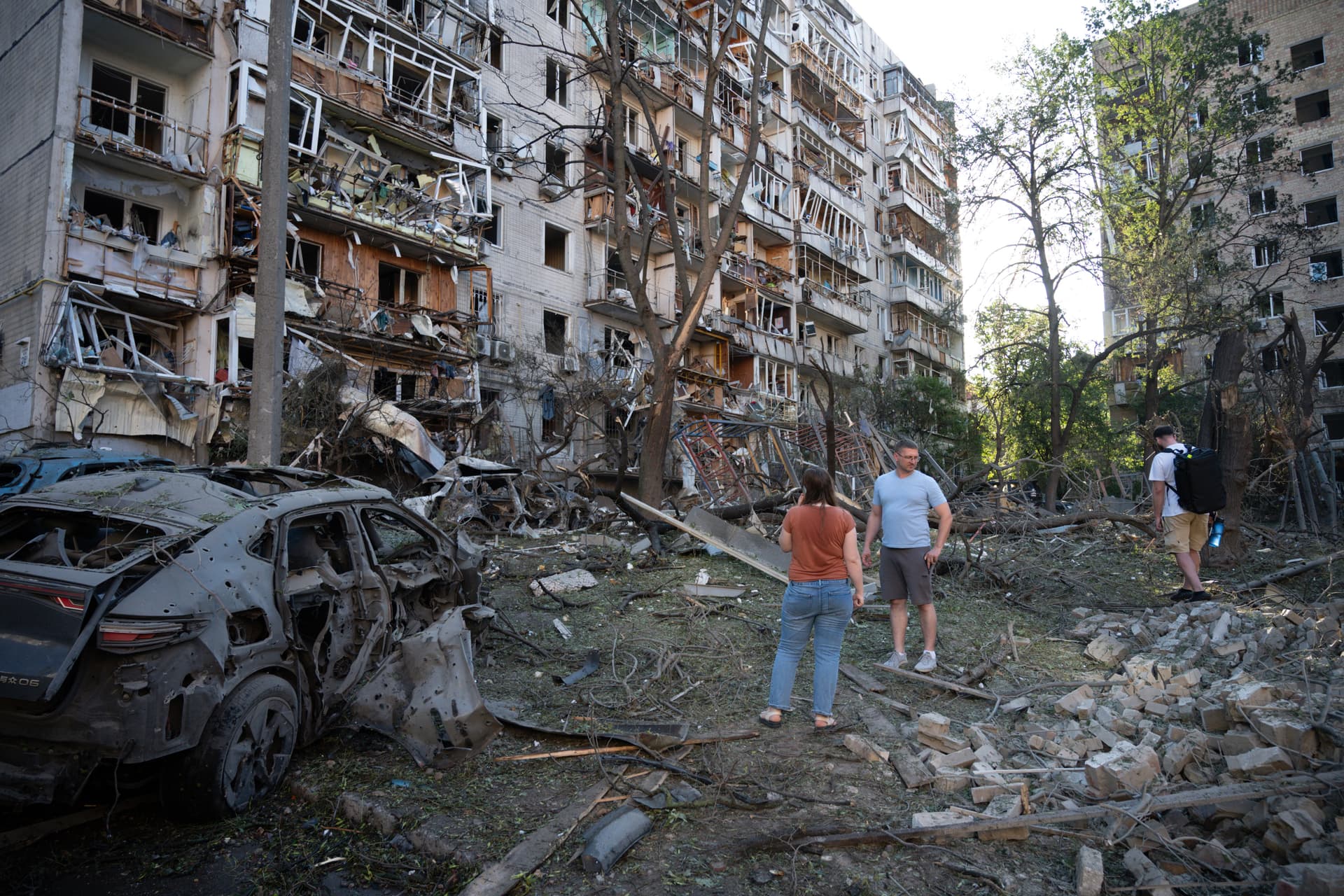
Russia condemns NATO remarks, warns of dangerous escalation over Ukraine
Russia on Monday denounced comments by the chair of NATO’s Military Committee suggesting the alliance might consider a preemptive strike in response to hybrid warfare, calling the remarks extremely irresponsible and a threat to diplomacy. The exchange intensifies tensions around Ukraine and raises fresh risks for markets, energy supplies, and NATO cohesion as the war enters its fourth calendar year.
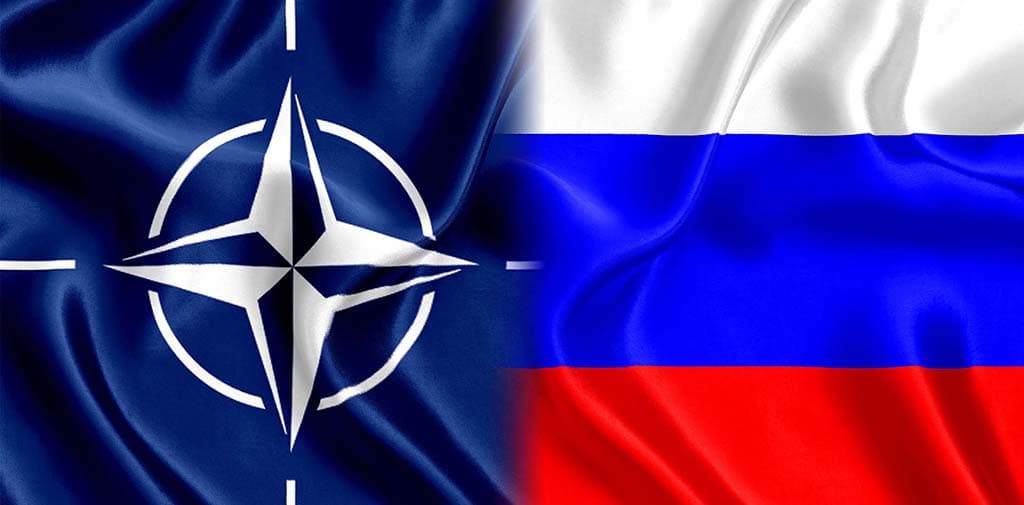
Moscow publicly condemned remarks by the chair of NATO’s Military Committee on Monday, calling suggestions that the alliance could contemplate a preemptive strike as part of its response to hybrid warfare extremely irresponsible and a catalyst for further escalation. Maria Zakharova, spokeswoman for the Russian Foreign Ministry, said the comments risked undermining diplomatic channels over the Ukraine crisis, a conflict that has reshaped European security since Russia launched its full scale invasion in 2022.
The dispute spotlights a widening rhetorical gap between NATO capitals and Moscow as military and hybrid operations continue in and around Ukraine. NATO officials have increasingly discussed non traditional threats including cyber operations, disinformation campaigns, and covert action as elements of hybrid warfare, and the apparent willingness to contemplate forceful countermeasures marks a sharper tone from senior military planners. Moscow framed the comments as evidence of a move toward normalization of offensive language and posture among alliance militaries.
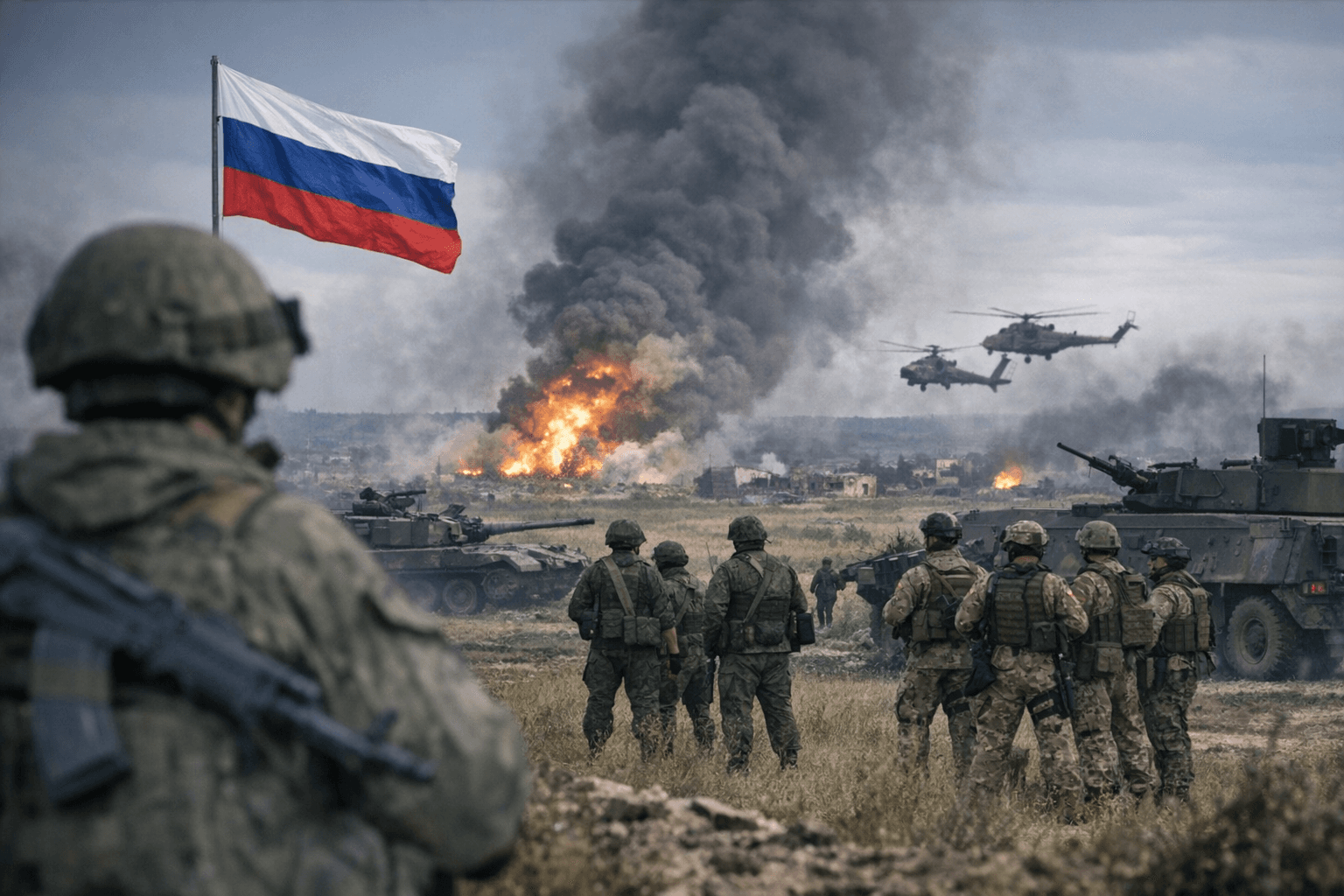
Analysts said the incident could have immediate market and policy effects even if no operational change follows. Geopolitical risk premiums tend to rise when military language escalates between Russia and NATO, and that can translate into greater volatility in energy and currency markets. Europe remains sensitive to supply disruptions because of its reliance on global energy markets since it reduced dependence on Russian pipeline gas. Investors also monitor defence sector equities and procurement plans, which could see renewed political momentum for higher spending.
Policy makers in Washington and across Europe face a delicate task. NATO’s 2014 commitment that members aim to spend at least 2 percent of GDP on defence remains a policy benchmark and political lever for those arguing for deeper investment in readiness and deterrence. Since 2022, defence budgets across much of Europe have risen and logistical support to Ukraine has increased dramatically, making Washington and EU capitals wary of rhetoric that could close space for negotiation while also reluctant to appear weak on deterrence.
Longer term, analysts warn that escalatory language risks hardening the patterns of confrontation that have defined the past three years, increasing the probability of miscalculation in borderline incidents that mix conventional and covert capabilities. Hybrid operations are by design ambiguous and deniable, and that ambiguity becomes more dangerous if states publicly signal willingness to use force preemptively. The interplay between military planning and public rhetoric matters because it shapes both adversary expectations and domestic political support for future actions.
The exchange is likely to reverberate through diplomatic channels this week as European diplomats weigh responses and NATO allies reconvene at working levels. For market participants and policy makers, the immediate questions are whether the comments reflect a shift in alliance doctrine or a one off statement, and whether Moscow’s stern reaction signals a new phase of confrontation or a tactical effort to extract concessions in negotiations over Ukraine. Reuters reported the initial exchanges.
This article was produced by Prism’s automated news system from verified source data, official records, and press releases, then run through automated quality and moderation checks before publishing. The system is built and supervised by the people who set the standards it runs under. Read our full AI policy.
Did this article answer your question?