Russia discusses reformatting its military facilities in Syria, keeps footprint intact
Moscow is talking about reformatting its Syria bases, not leaving them, after Assad’s fall reopened questions over Tartous and Hmeimim.
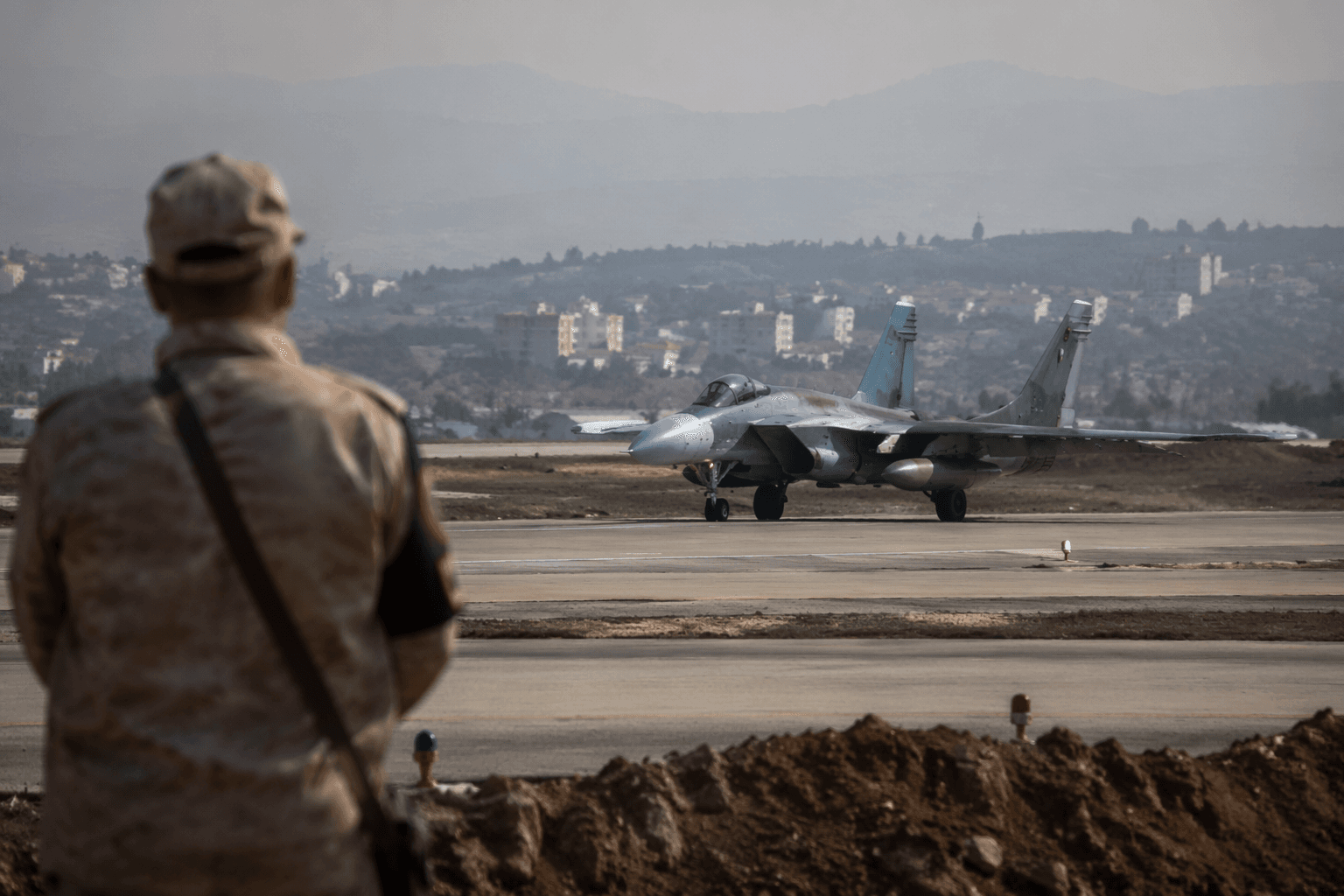
Russia is signaling that its military presence in Syria is still a priority, even as it considers changing the way that presence is organized. The language from Moscow suggests adjustment, not retreat, and it comes at a moment when the future of Russia’s Syrian footprint has been in doubt since Bashar al-Assad was ousted in December 2024.
Russia’s foreign ministry said cooperation with Syria was developing very actively and that Moscow was discussing with Damascus a possible reformatting of its military facilities in the country. That formulation matters because it preserves the core of Russia’s position at Hmeimim in Latakia and at the naval facility in Tartous, while leaving room for restructuring, renegotiation or a shift in mission.
The backdrop is Russia’s intervention in Syria, which began on September 30, 2015, to help Assad during the civil war. Moscow and Damascus later concluded basing agreements that gave Russia a 49-year lease for Tartus and a separate arrangement for stationing Russia’s aviation group at Hmeimim. Those deals made the two facilities central to Russia’s long-term military posture on the Mediterranean coast.
Assad’s fall changed the equation. His ouster raised immediate questions about whether Russia could keep operating from Hmeimim and Tartous under the same terms, especially as Syria’s new political balance begins to take shape. Analysts have said the uncertainty reaches well beyond Syria itself because Tartus is Russia’s only entrance point to the Mediterranean Sea, and Hmeimim and Tartus are Russia’s only military outposts outside the former Soviet Union.
That is why the word reformatting is loaded. It does not read like a withdrawal announcement. It points instead to a Kremlin effort to preserve strategic access while adapting to a less predictable Syrian environment. An International Institute for Strategic Studies analysis in 2025 said Assad’s overthrow put continued Russian presence at Tartus and Hmeimim in jeopardy, while a December 2024 assessment from Radio Free Europe/Radio Liberty said the bases were under threat after Assad’s fall.

For Moscow, the stakes extend across the eastern Mediterranean and the Middle East. Tartus has been a key hub for Russian military operations in Syria and the wider region, while Hmeimim has anchored Russia’s air power there. Any reformatting would therefore be read not as an exit, but as an attempt to keep a foothold in place while reshaping the terms of influence.
This article was produced by Prism’s automated news system from verified source data, official records, and press releases, then run through automated quality and moderation checks before publishing. The system is built and supervised by the people who set the standards it runs under. Read our full AI policy.
Know something we missed? Have a correction or additional information?
Submit a Tip
