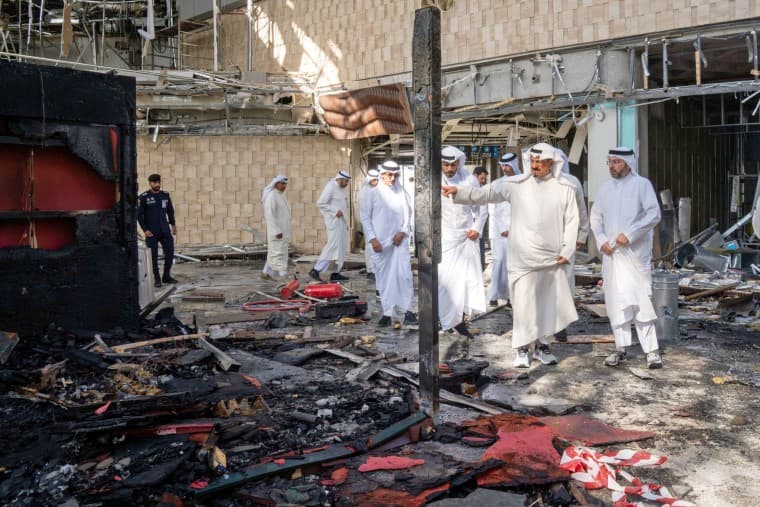
Philippines quake rescue faces aftershocks, toll rises to 45 dead
After a 7.8 quake off Mindanao, rescuers kept pulling back for aftershocks as the death toll hit 45 and 25,000 people stayed in shelters.

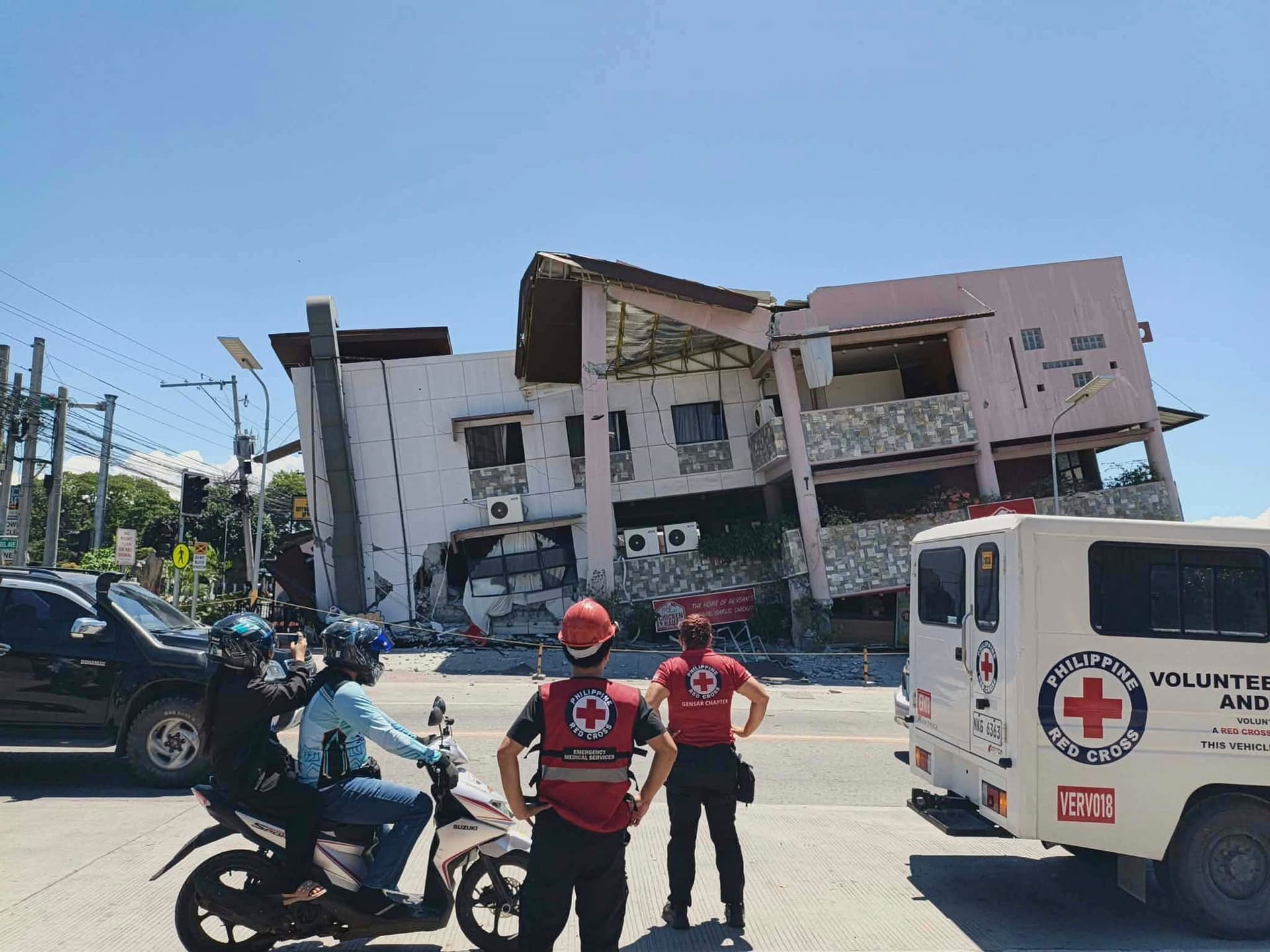
Rescuers in the southern Philippines kept working under a dangerous barrage of aftershocks on Wednesday, even as the death toll from a powerful offshore earthquake climbed to at least 45 and 17 people remained missing. In General Santos City, firefighters and coast guard personnel searching a partially collapsed grocery store were forced to run when another jolt sent concrete crashing from the leaning three-story building.
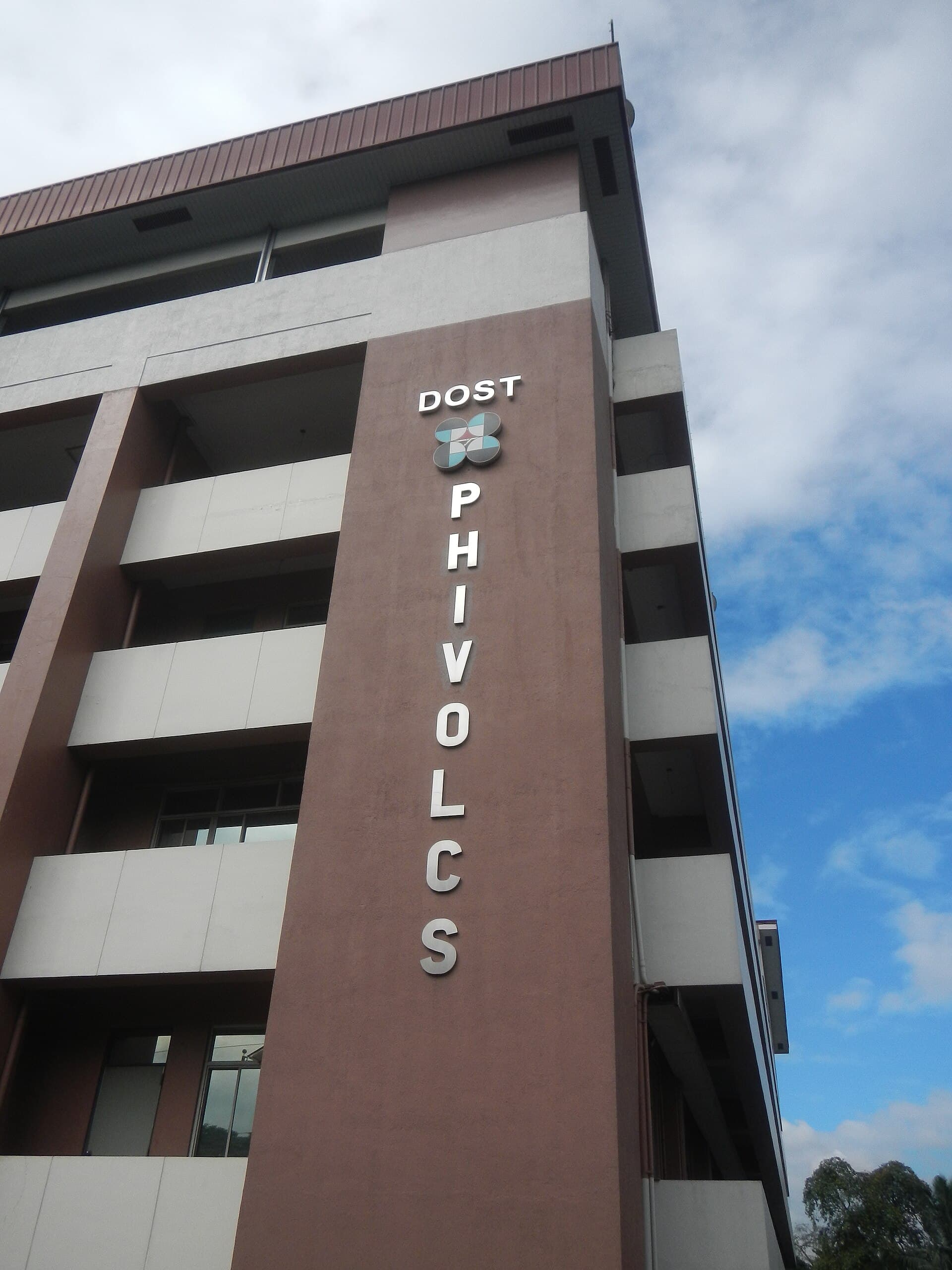
The quake struck at 7:37 a.m. on June 8 about 32 kilometers offshore west of Maasim, Sarangani, the Philippine Institute of Volcanology and Seismology said. PHIVOLCS described the shaking in General Santos City as intensity VIII, or very destructive, and more than 2,100 aftershocks followed, several strong enough to force rescue teams back from unstable ruins. The offshore rupture also triggered tsunami warnings and coastal evacuations across the region.
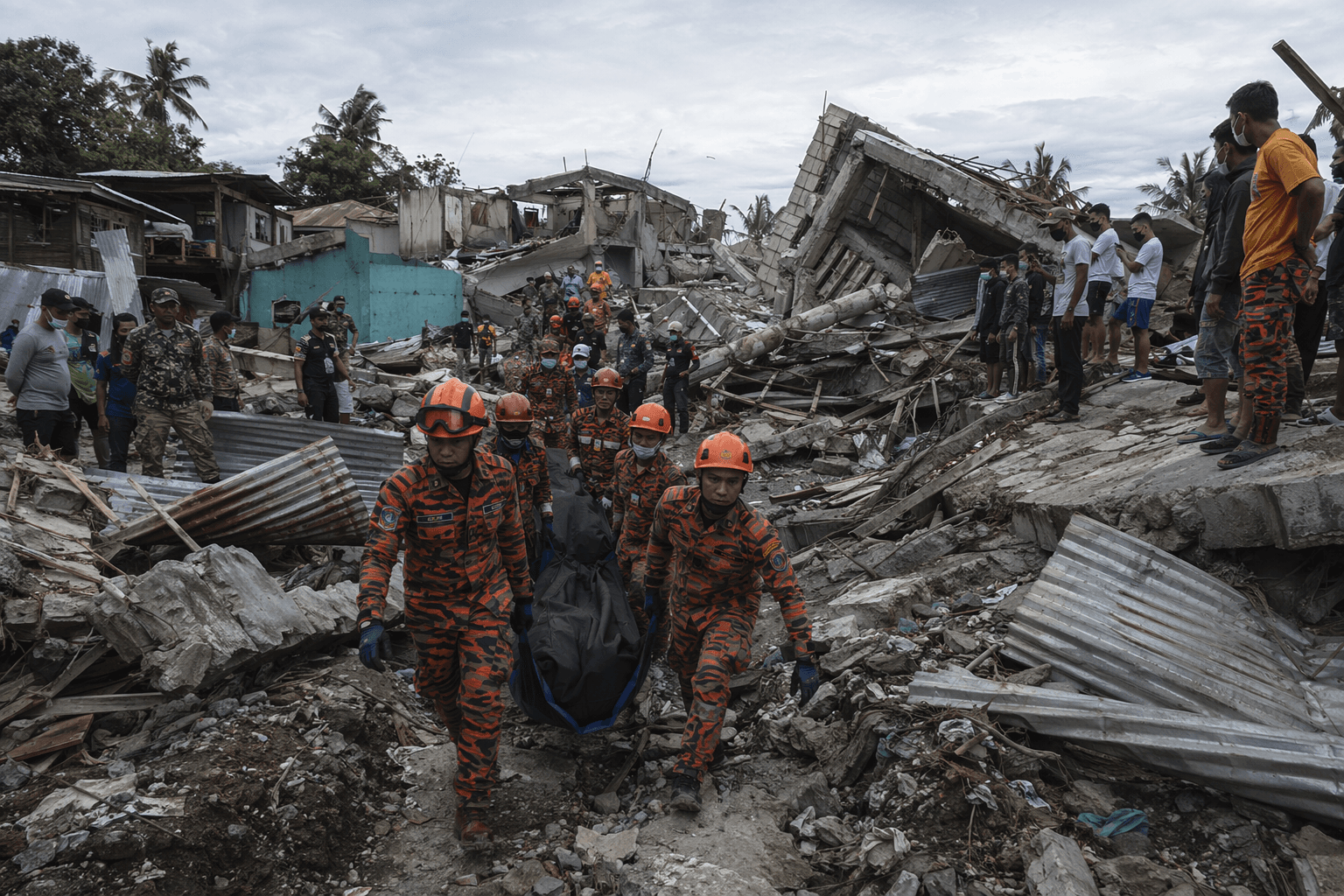
General Santos, a bustling commercial center and the country’s tuna capital, was among the hardest-hit cities. Officials said the quake damaged more than 3,100 houses, 29 roads, 11 bridges and more than 100 government buildings. General Santos airport was shut to civilian traffic and limited to government and military flights carrying aid and disaster-response personnel, while about 6,000 school buildings in quake-hit provinces still had to be assessed before classes could restart.
The human toll was spreading far beyond the collapsed grocery store. More than 25,000 people remained in emergency shelters, many of them traumatized and unwilling to return home while aftershocks continued to shake already weakened structures. One distraught mother told rescuers it was hard to accept that her son might still be trapped, underscoring how every delay deepened the anguish for families waiting outside the ruin.
The disaster has renewed scrutiny of readiness in quake-prone coastal communities along the Pacific Ring of Fire. General Santos City declared a state of calamity and imposed a 60-day freeze on prices of basic commodities, a move meant to keep food and essentials within reach as residents cope with displacement and damaged supply lines. The World Health Organization has warned that earthquake impacts are often worse where housing and infrastructure are vulnerable and where secondary hazards, such as tsunamis or landslides, add to the destruction.
Eight months after another deadly quake in the country, the latest disaster has again exposed how quickly a major tremor can overwhelm roads, power lines, schools, hospitals and local emergency systems. Some losses were unavoidable in a violent offshore rupture, but the widening damage from weak buildings, broken bridges and stalled rescues showed how fragile recovery becomes once the first shock has passed.
This article was produced by Prism’s automated news system from verified source data, official records, and press releases, then run through automated quality and moderation checks before publishing. The system is built and supervised by the people who set the standards it runs under. Read our full AI policy.
Know something we missed? Have a correction or additional information?
Submit a Tip