Russian investigators probe Moscow car bombs after teen suspects arrested
One man was killed in Balashikha as two teenagers were detained in a separate Moscow car bomb, sharpening questions over the capital’s security.

Two car explosions in Moscow left one man dead in Balashikha and pushed investigators to detain at least two teenagers in a separate blast in the southwest of the capital. The twin incidents, both treated by authorities as potential targeted attacks, have raised fresh questions about how a city built around control and surveillance still absorbed two bombings in one day.
The dead driver was killed when his car exploded in Balashikha, east of Moscow, on June 9, 2026. Other reporting identified him as Damir Davydov and said he was a Russian military official linked to the military’s missile and artillery ammunition supply chain, a detail that would place the blast squarely in the wider wartime pattern of attacks on defense-linked figures.
In southwestern Moscow, investigators opened a criminal case over a bomb they said targeted an employee of a scientific production enterprise. Officials said a teenage girl was allegedly instructed by unidentified people to pick up the device, and a teenage boy then placed it on the car with a GPS tracker. No casualties were reported in that case, but Russian authorities said the suspects had been charged, suggesting investigators believed the operation was coordinated rather than random.
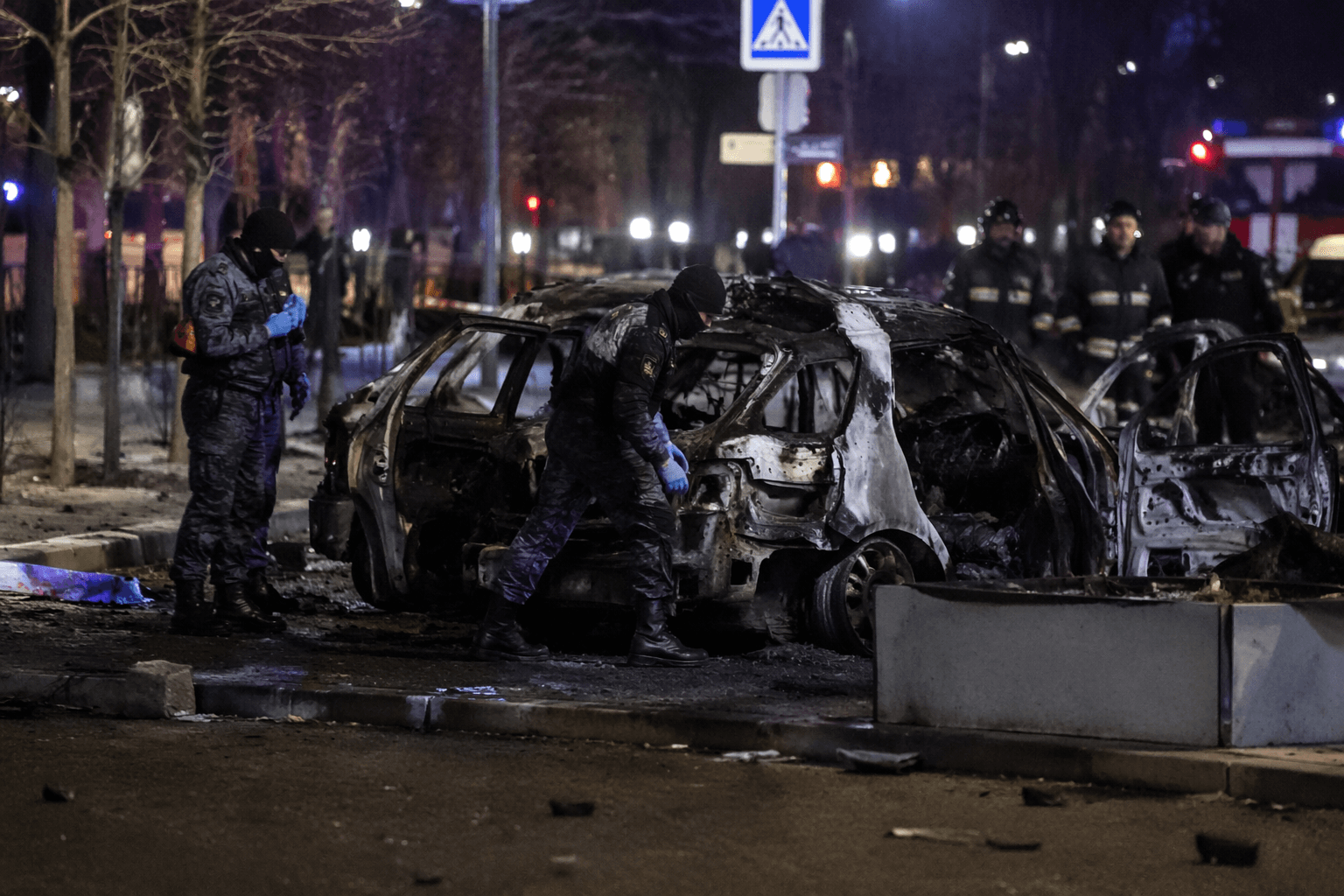
The car in the southwest case belonged to an employee of a scientific and industrial enterprise in Konkovo, and the use of a tracking device pointed to planning and possible remote direction. Russian investigators have not publicly connected the two blasts, but the arrests and the role of the teenagers indicate that at least one case may have involved recruitment or manipulation by handlers operating behind the scenes.
Kremlin spokesman Dmitry Peskov confirmed that an explosion had occurred and said Vladimir Putin had been informed, but he offered no further detail while the investigation remained open. He said the matter was for the special services, underscoring how quickly the case moved from a criminal inquiry into a national security problem.
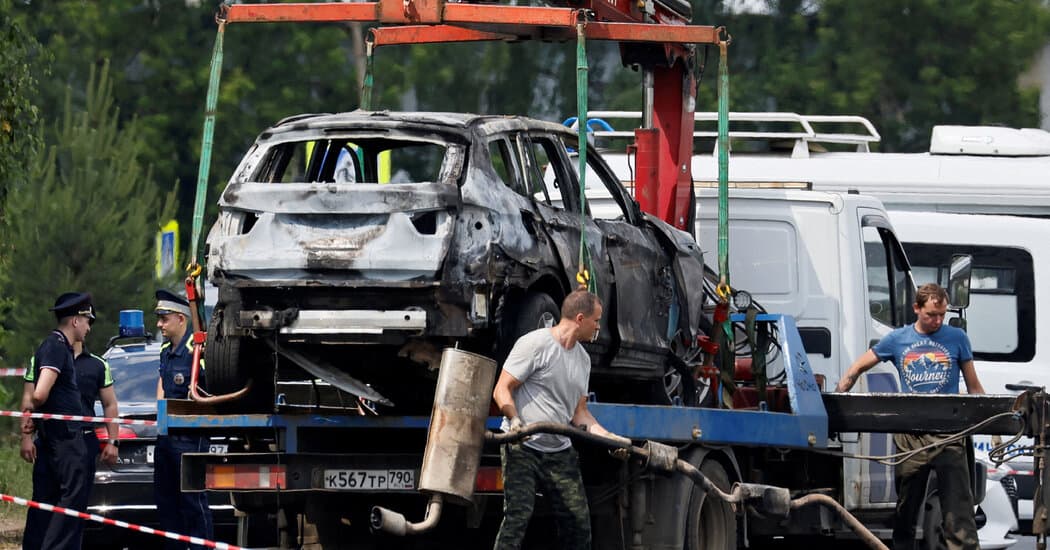
The blasts landed in a wartime climate in which Russian officials have repeatedly accused Ukrainian intelligence of assassinations and sabotage inside Russia, especially against military and defense-related targets. Whether these Moscow bombings were part of that pattern or something else entirely, the immediate message was clear: even in the heavily policed capital, Russian security services are still chasing the motive, the handlers and the intended target.
This article was produced by Prism’s automated news system from verified source data, official records, and press releases, then run through automated quality and moderation checks before publishing. The system is built and supervised by the people who set the standards it runs under. Read our full AI policy.
Know something we missed? Have a correction or additional information?
Submit a Tip