Russia Frees French Researcher Laurent Vinatier in Prisoner Swap
Laurent Vinatier, a 49-year-old French researcher convicted under Russia’s foreign agent law, was freed and returned to France on Jan. 8 in a high-profile prisoner exchange that saw Moscow receive a Russian national detained in France on US cybercrime allegations. The swap highlights the fraught intersection of diplomacy, criminal justice and intelligence tensions between Russia and Western capitals since the 2022 war in Ukraine.
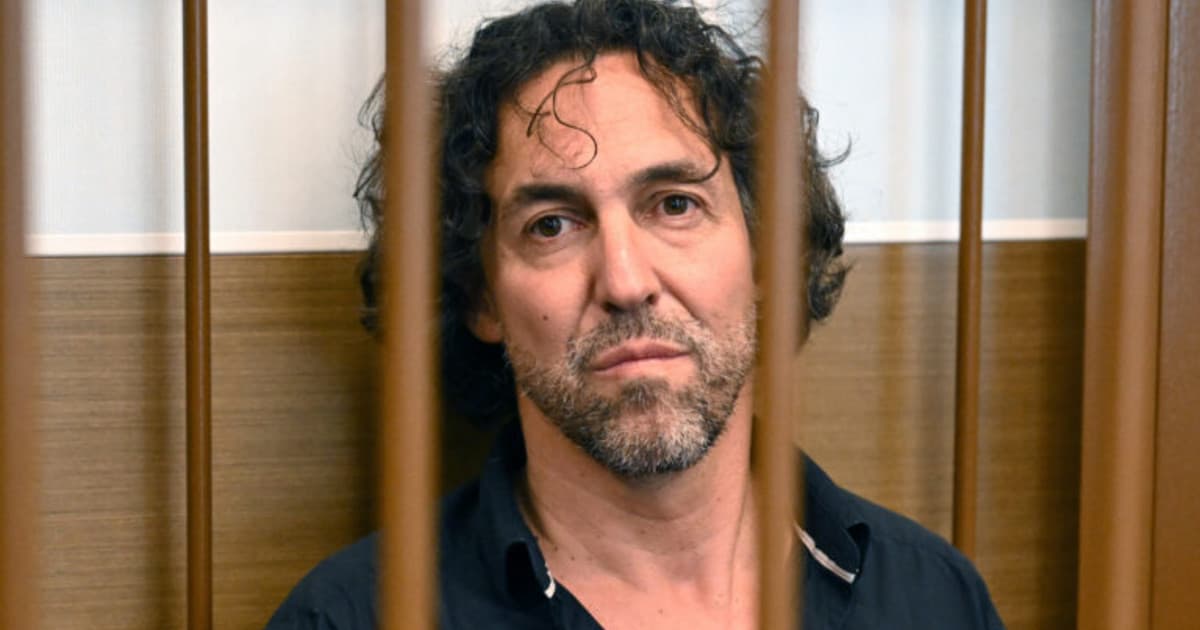
Russian authorities announced on Jan. 8 that France and Russia had completed a prisoner exchange that returned Laurent Vinatier to Paris in exchange for Russian national Daniil Kasatkin. French and Russian officials said Vinatier, 49, was pardoned by President Vladimir Putin as part of the arrangement and that Kasatkin, 26, who had been detained in France last June at the request of the United States over alleged hacking or ransomware activity, flew back to Moscow.
President Emmanuel Macron posted on X that “our compatriot Laurent Vinatier is free and back in France,” and said he shared the relief felt by Vinatier’s family. Vinatier was reunited with his parents and received at the French foreign ministry by Foreign Minister Jean-Noël Barrot. His lawyer, Frédéric Belot, described the decision as a “huge relief.” French diplomatic sources credited sustained consular and diplomatic work for securing the return.
Vinatier’s detention had been a contentious element of Franco-Russian relations since his arrest by the FSB in June 2024, reportedly at a Moscow restaurant. He was convicted in October 2024 of breaching Russia’s foreign agent legislation and sentenced to three years in prison. While in custody he was placed under a separate investigation on espionage-related allegations, with Russian authorities asserting that he had acted on instructions from Swiss intelligence and collected sensitive political and military information. Vinatier pleaded guilty at trial to the foreign agent charge, apologized, and according to court reports spoke positively about Russia during proceedings, even reciting a verse by Alexander Pushkin. His employer, the Centre for Humanitarian Dialogue, described him as a respected scholar engaged in legitimate research. French officials had called the original sentence “extremely harsh.”
The Russian side identified the individual released by France as Daniil Kasatkin. French and Russian statements said Kasatkin had been detained at a Paris airport in June at Washington’s request and faced allegations linked to hacking and ransomware. His return to Moscow completes a swap that officials framed as a bilateral agreement following Russian outreach to Paris. Kremlin officials said President Putin had been asked to look into the matter at his annual news conference last month and that a proposal to France had been made in late December.

The exchange comes amid a pattern of prisoner swaps between Russia and Western countries in recent years, including an August 2024 exchange that freed 24 people and was described by some as the largest since the Cold War. Such exchanges sit uneasily alongside ongoing judicial cooperation on cybercrime and intelligence matters, raising questions about the balancing of consular protection, rule of law and geopolitical bargaining.
For Paris, securing Vinatier’s return will be portrayed domestically as a diplomatic success and a relief for family and colleagues. For Moscow, the swap provides the political benefit of repatriating a citizen accused of cyber offences. The broader consequence is likely to be a recalibration of diplomatic engagement: pragmatic negotiations on individual cases continue even as deeper tensions stemming from Russia’s invasion of Ukraine and disputes over intelligence and cyber activity persist.
This article was produced by Prism’s automated news system from verified source data, official records, and press releases, then run through automated quality and moderation checks before publishing. The system is built and supervised by the people who set the standards it runs under. Read our full AI policy.
Did this article answer your question?


