Russia lifts Roblox ban after company pledges child safety changes
Russia restored Roblox access after the platform promised new child-safety controls and legal compliance, ending a ban that had sparked rare protests from young users.

Russian authorities lifted restrictions on Roblox after the U.S. gaming platform pledged stronger protections for younger users and a broader effort to comply with Russian law. The reversal came after the Digital Development Ministry and Roskomnadzor asked law enforcement agencies on June 9 to support unblocking the service, and after officials said terms protecting Russian users’ rights and interests had been finalized in early June.
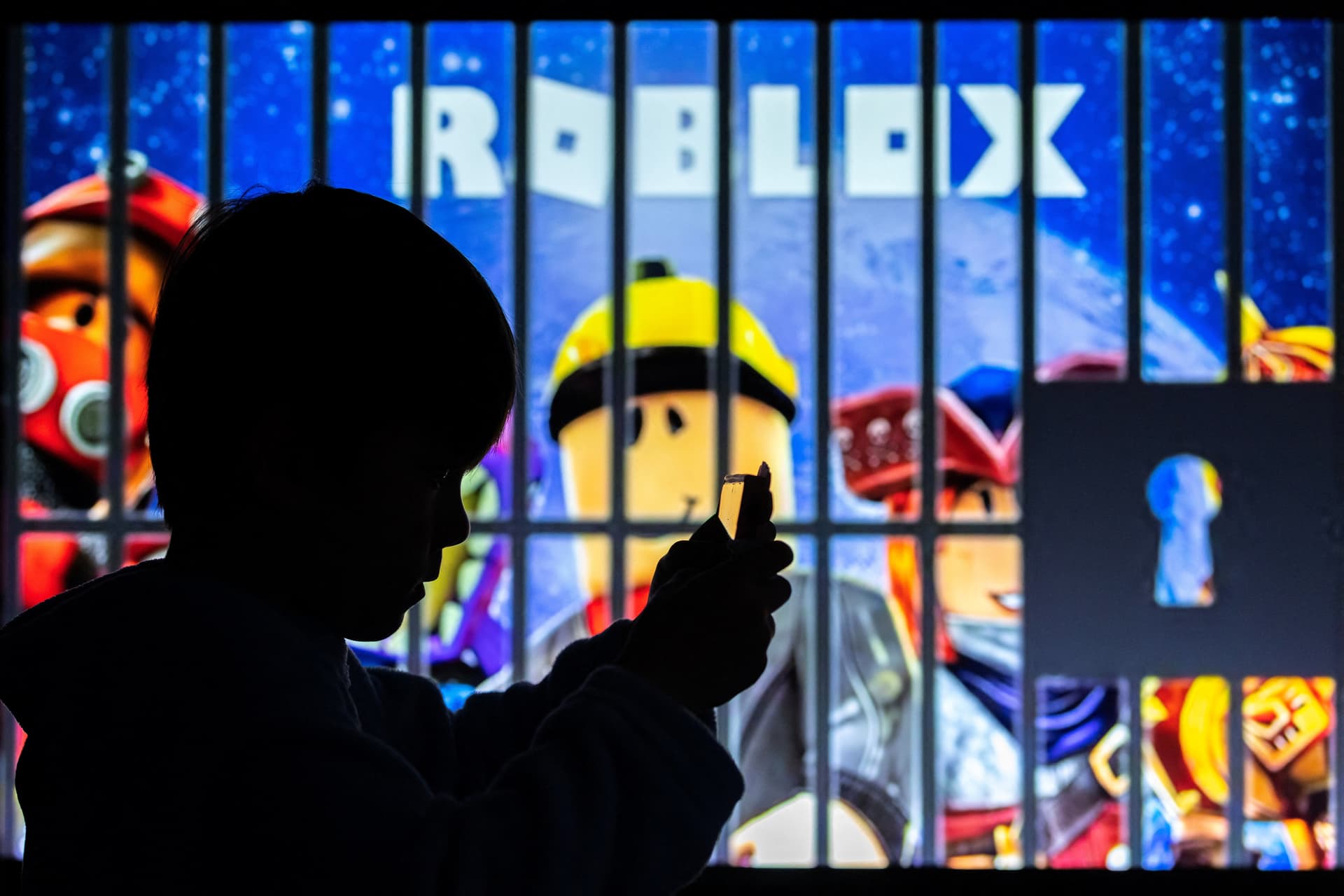
The move closes a months-long dispute over a platform that is unusually embedded in children’s daily digital life. Russian officials had blocked Roblox on December 3, 2025, saying the site contained extremist materials and LGBT propaganda. They also argued that the platform exposed children to sexual harassment, coercion and other harmful conduct, turning a gaming service into a proxy fight over what children in Russia should be allowed to see and do online.
The company’s concessions were framed by Russian officials as child-safety improvements. The Digital Development Ministry said Roblox acknowledged that its existing technologies for protecting children from harmful information were ineffective, and that it would take steps against content harmful to children’s health and development, as well as unwanted behavior by other users. The ministry also said Roblox would introduce age-based access restrictions in June through systems called Roblox Kids and Roblox Select.
That makes the case more than a simple corporate compliance story. It shows how Moscow uses platform access as leverage, pressing foreign tech companies to narrow speech, change moderation rules and accept local legal demands if they want to keep Russian users. In this case, the state presented the reversal as a win for child protection. The deeper issue is whether those changes meaningfully improve safety for minors or simply hand authorities more control over what Russian children can encounter online.
The stakes are high because Roblox is not a niche service. The company has said it has about 100 million daily users worldwide, and children under 13 made up about 40% of its 2024 users. Roblox was also reportedly the most downloaded mobile game in Russia in 2023, which helps explain why the ban drew unusually strong reaction. Yekaterina Mizulina said she received 63,000 letters from children after the shutdown, and about half said they wanted to leave Russia because Roblox had been blocked. Authorities also said the ban had sparked annoyance among some users and a rare protest in Tomsk, in Siberia.
Russia’s decision fits a broader pattern. The country has already blocked or restricted Snapchat, Facebook, Instagram, WhatsApp, YouTube and FaceTime, while defending such moves as resistance to Western influence and a defense of traditional values. Roblox’s return suggests that in Russia’s digital order, access can be restored, but only after a platform accepts the state’s terms on safety, content and control.
This article was produced by Prism’s automated news system from verified source data, official records, and press releases, then run through automated quality and moderation checks before publishing. The system is built and supervised by the people who set the standards it runs under. Read our full AI policy.
Did this article answer your question?