Russia, North Korea near completion of new Tumen River bridge
The first road bridge linking North Korea and Russia was nearly finished at the Tumen River, a new lane for trade, travel and sanctions-tested logistics.
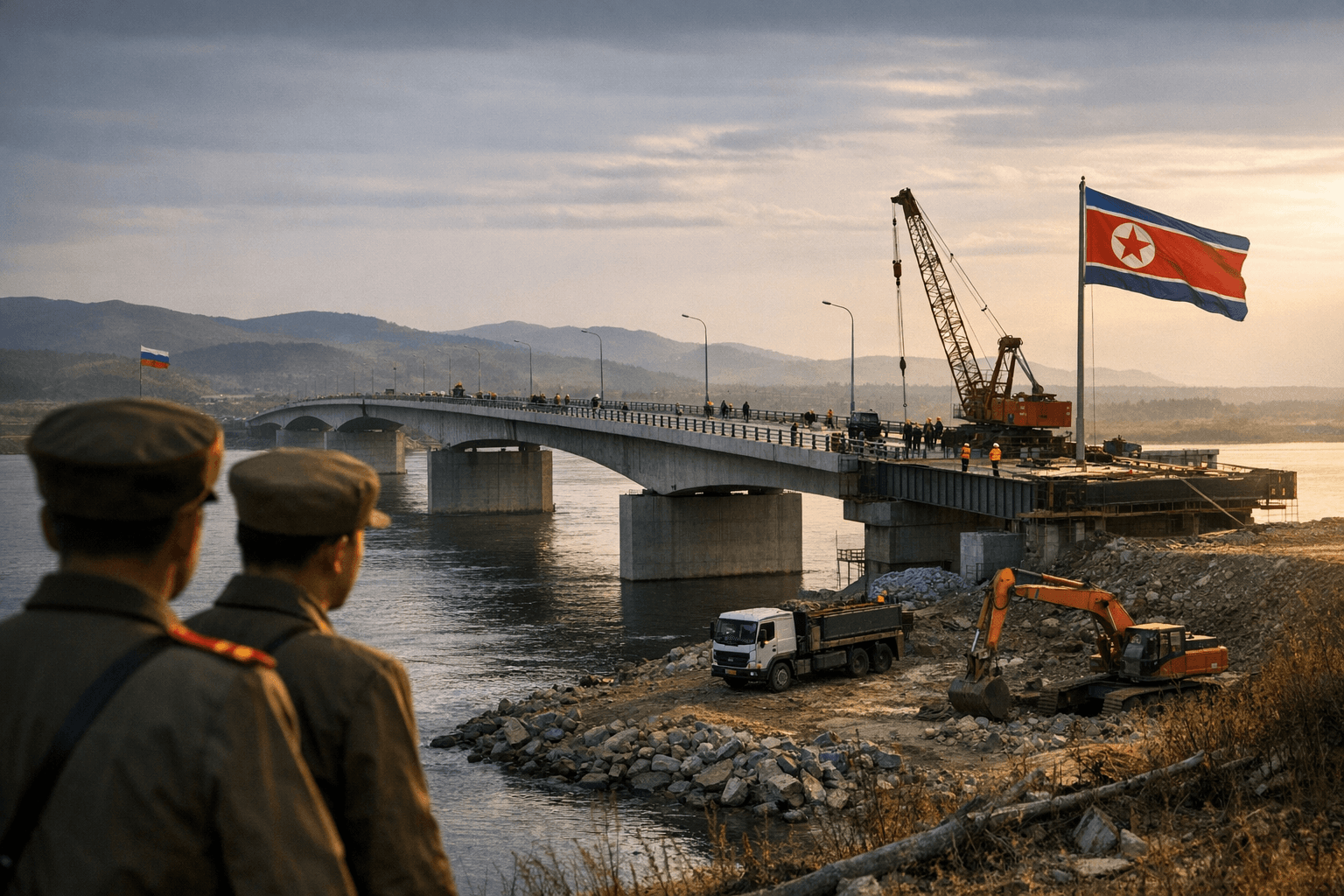
The first road bridge linking North Korea and Russia was nearing completion this week, after the two sides joined its sections over the Tumen River in a ceremony that pushed a project once seen as symbolic into the realm of infrastructure. Built beside the older rail-only Friendship Bridge, the 850-meter crossing is set to become the countries’ first road link and a more flexible route for cargo, officials and potentially sanctioned goods.
The bridge was agreed during Vladimir Putin’s June 19, 2024 visit to Pyongyang, when Putin and Kim Jong Un also signed a comprehensive strategic partnership treaty. Construction began on April 30, 2025, and Russian and North Korean reporting said the structure could open in summer 2026, with some accounts pointing to mid-June. Russia’s transport ministry has said the border checkpoint is designed to handle as many as 300 vehicles and 2,850 people a day, a capacity that would give the crossing a measurable, if still limited, commercial role from the outset.
For Moscow and Pyongyang, the project goes well beyond rhetoric. KCNA said the bridge should be opened as soon as possible and framed it as an important business for boosting tourism, trade and the movement of people. In practice, a road bridge offers something the rail-only link cannot: more flexible logistics, faster official traffic and a potentially easier channel for goods moving between the two countries as Russia remains isolated from much of the West over the war in Ukraine.
The geography matters too. The new crossing rises near Khasan, close to the China border junction near the Tumen River, anchoring North Korea more firmly to the Russian transport system. The older Friendship Bridge, commissioned in 1959 after the Korean War, has long been the only permanent overland connection between the two countries. By adding a road link next to it, Moscow and Pyongyang are turning a border point into a broader corridor.
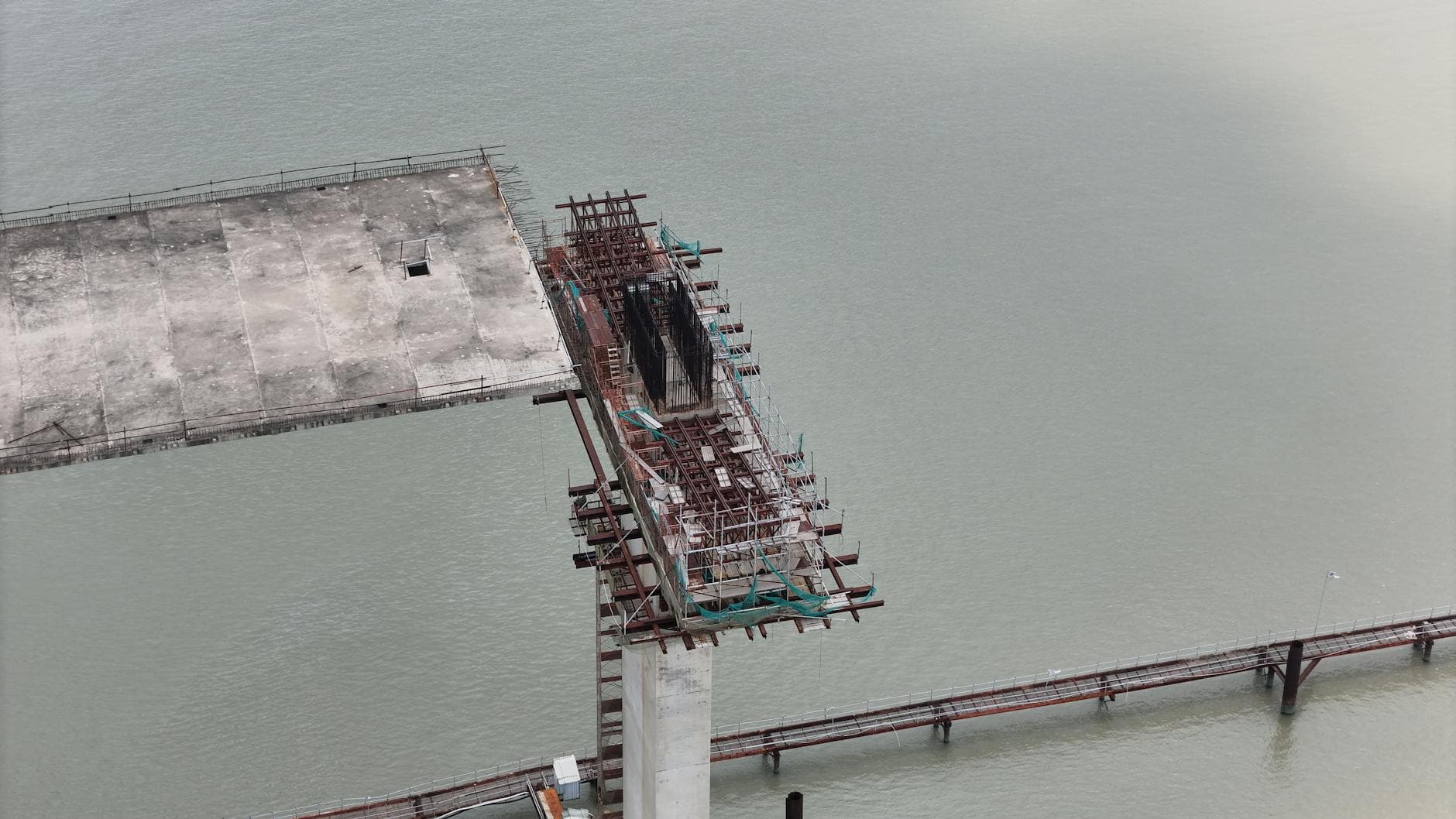
That shift has regional consequences. South Korea and other regional observers have treated the bridge as a visible marker of a widening relationship that now spans transport, trade and military cooperation. The road link may not transform trade overnight, and no independent estimate of future traffic has been offered, but it could strengthen sanctions pressure points, widen the options for official movement and deepen a partnership that is increasingly being built into concrete and steel.
This article was produced by Prism’s automated news system from verified source data, official records, and press releases, then run through automated quality and moderation checks before publishing. The system is built and supervised by the people who set the standards it runs under. Read our full AI policy.
Did this article answer your question?


