U.S. Seizes Second Iran-Linked Oil Tanker This Week in Indian Ocean
U.S. forces boarded a second Iran-linked tanker in the Indian Ocean, widening a maritime campaign that now reaches from the Bay of Bengal to the Strait of Hormuz.
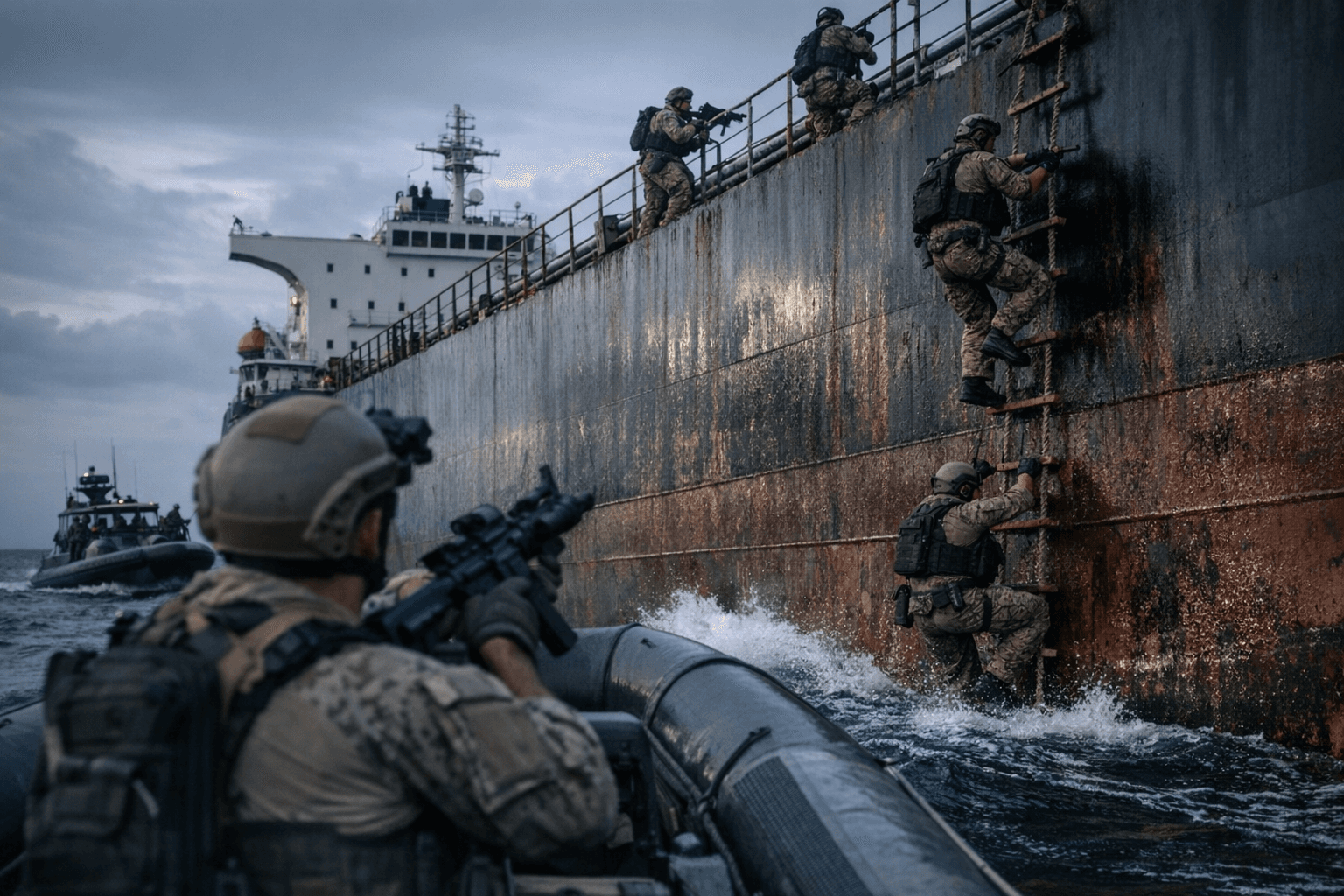
U.S. forces boarded a second Iran-linked oil tanker in the Indian Ocean on Thursday, escalating a maritime pressure campaign that has moved well beyond the Strait of Hormuz. The Pentagon described both boardings this week as “right-of-visit maritime interdiction” operations, signaling that Washington is treating sanctioned tankers as fair targets even in international waters.
The latest vessel, the M/T Majestic X, was boarded in the Indian Ocean after U.S. officials said it was carrying oil from Iran. The action followed Tuesday’s seizure of the sanctioned M/T Tifani in the Bay of Bengal, where U.S. forces boarded the ship without incident and said it was carrying Iranian oil. Officials said they would decide in the coming days whether to tow the Tifani back to the United States or hand it over to another country.
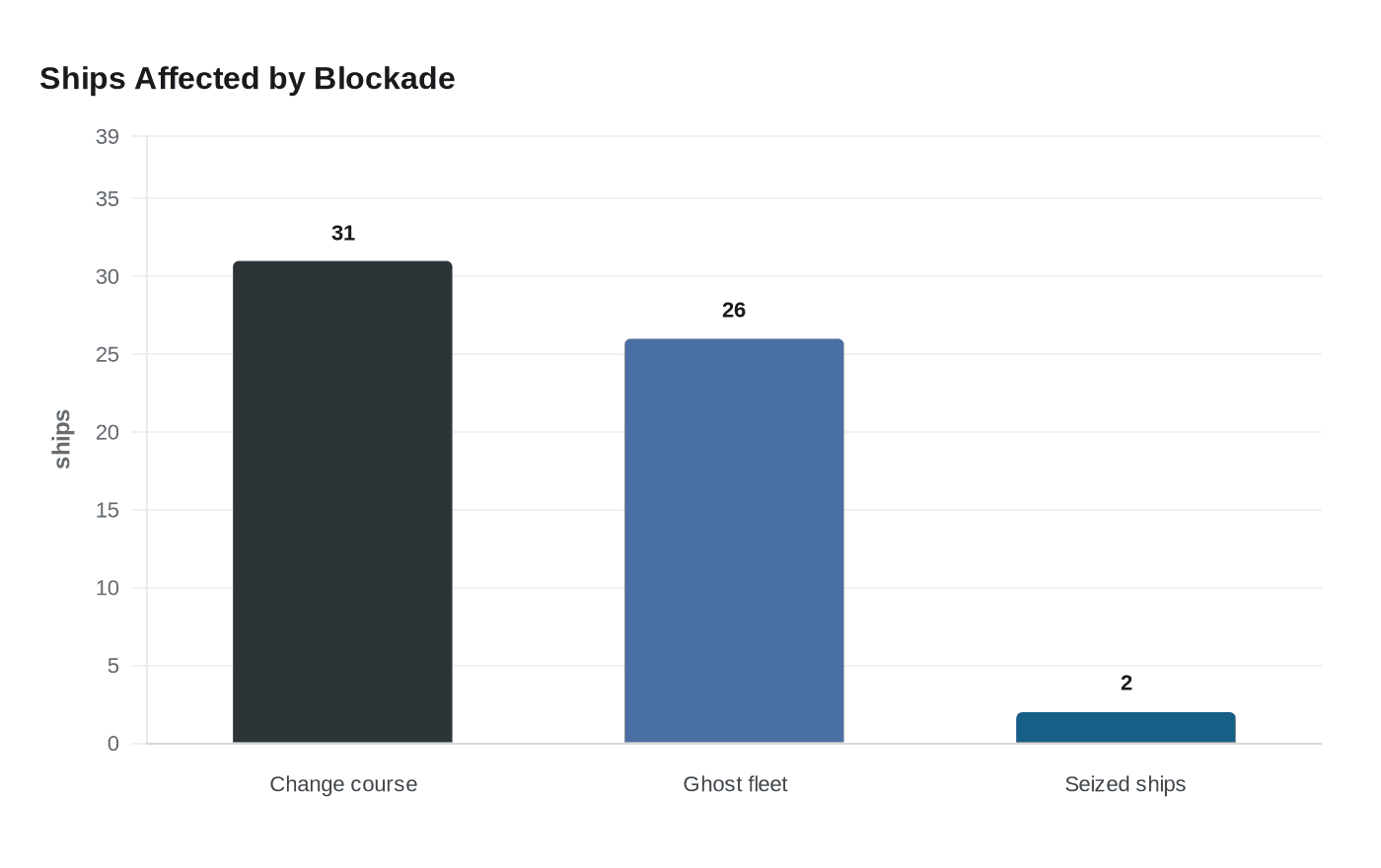
The two seizures underscore a broader campaign that began on April 13, when the United States started enforcing its blockade against vessels it says are providing material support to Iran. U.S. Central Command said it had directed 31 vessels to change course since then, while maritime intelligence reports said at least 26 ships from Iran’s ghost fleet had slipped around the blockade soon after it began. The Tifani was described as a stateless vessel and also as Botswana-flagged in reporting, a sign of how aggressively Iran-linked tankers are being tracked and challenged.
The Majestic X carried its own history. It had previously been named Phonix and was sanctioned by the U.S. Treasury Department in 2024 for smuggling Iranian crude. Bloomberg identified it as a sanctioned supertanker, a very large crude carrier capable of transporting about 2 million barrels of oil, and reporting placed it on a route bound for Zhoushan, China. The Tifani, meanwhile, had reportedly loaded about 2 million barrels of crude on Iran’s Kharg Island on April 5 and passed through the Strait of Hormuz on April 9 before being intercepted in the Bay of Bengal.
The maritime standoff sharpened a day earlier, when Iran’s Islamic Revolutionary Guard seized two commercial ships in the Strait of Hormuz. That waterway remains one of the world’s most dangerous economic chokepoints, handling roughly one-fifth of global traded oil in peacetime. Iran has said it will not return to negotiations unless the United States lifts its naval blockade on Iranian ports, raising the stakes for shipping lanes, oil markets and the possibility that one more confrontation at sea could pull U.S. forces into a wider crisis.
This article was produced by Prism’s automated news system from verified source data, official records, and press releases, then run through automated quality and moderation checks before publishing. The system is built and supervised by the people who set the standards it runs under. Read our full AI policy.
Did this article answer your question?