Erdogan seeks to revive Russia-Ukraine peace talks at leaders level
Turkey is using its NATO summit in Ankara and fresh Ukrainian outreach to press for direct Zelenskiy-Putin talks after earlier peace efforts collapsed.
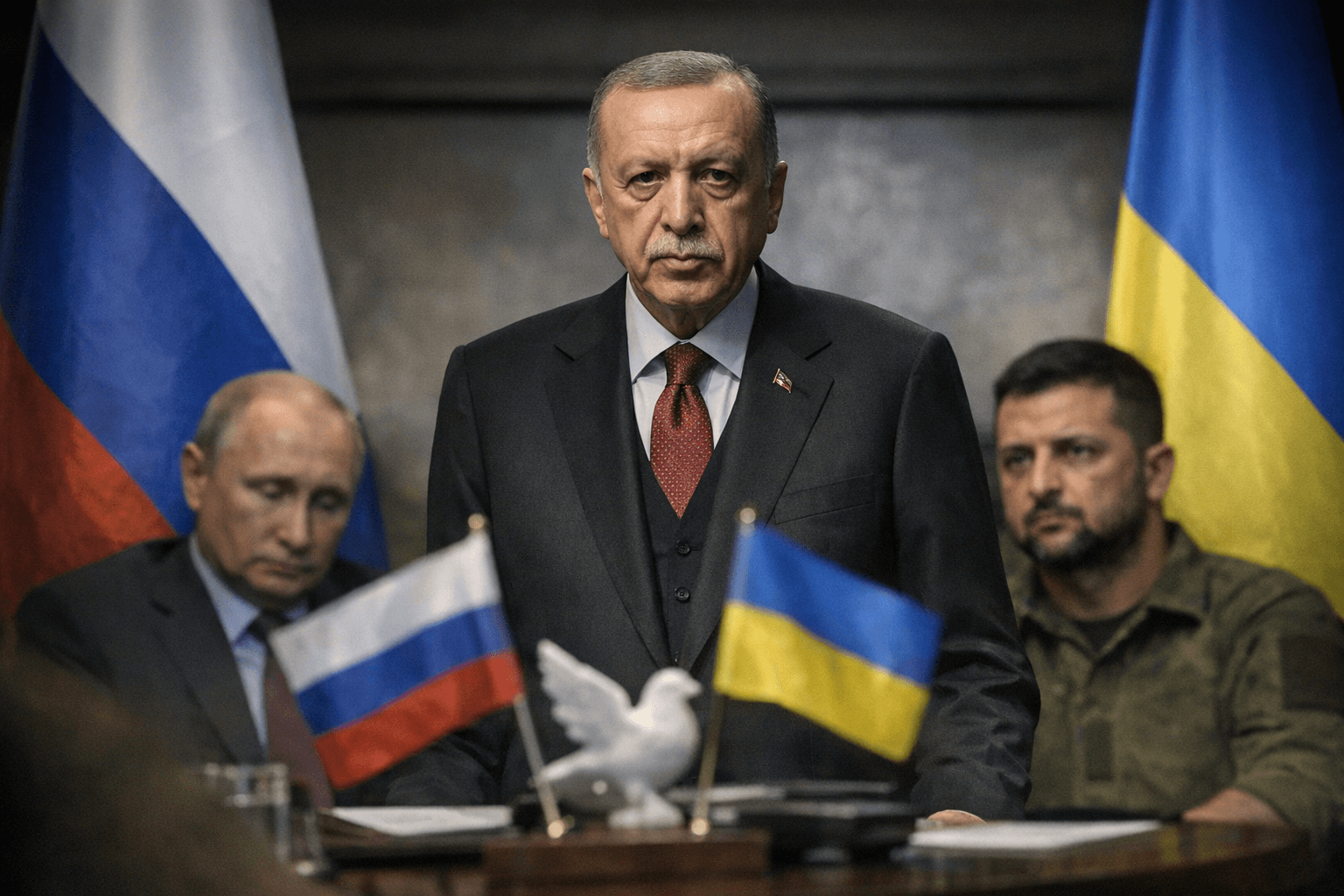
Turkey is trying to turn its rare access to both Moscow and Kyiv into a new leaders-level peace channel, with Ukraine now asking Ankara to help arrange a meeting between Volodymyr Zelenskiy and Vladimir Putin. President Recep Tayyip Erdogan told NATO Secretary General Mark Rutte in Ankara that Turkey was working to end the war through peace and wanted to restart negotiations at the leaders’ level.
The push came as Rutte made a pre-summit stop in Ankara on April 21-22, meeting Erdogan, Foreign Minister Hakan Fidan and Defense Minister Yaşar Güler. NATO says Turkey will host the alliance’s next summit on 7-8 July 2026 at the Beştepe Presidential Compound, only the second time it has done so after Istanbul in 2004. Alliance officials have said the meeting will focus on defense investment, production and continued support for Ukraine, giving Erdogan a high-profile diplomatic stage just as he tries to reinsert Turkey into the center of war diplomacy.
That setting matters because Ankara has already shown it can produce results when most channels fail. In 2022, Turkey and the United Nations brokered the Black Sea Grain Initiative, a deal that helped restart Ukrainian grain exports and proved Ankara could work with both Kyiv and Moscow. The earlier Istanbul negotiations, which produced the Istanbul Communiqué after meetings in Belarus and Turkey, did not end the war and collapsed by May 2022. Since then, the conflict has hardened into attrition, but Turkey has kept working relations with both sides, a balancing act that remains one of its most useful foreign-policy assets.
Kyiv’s latest request suggests a political opening, even if a narrow one. Andrii Sybiha said on April 22 that Ukraine had asked Turkey and other capitals to help arrange a meeting between Zelenskiy and Putin. That is a sharper step than the informal shuttle diplomacy of earlier rounds, and it shows Kyiv is still looking for a venue that Moscow might trust enough to attend.
Erdogan has also tied the Ukraine file to broader regional instability. In a separate call with German Chancellor Friedrich Merz, he said the U.S.-Iran war was “starting to weaken Europe” and warned the damage would deepen if world powers failed to act with “peace-oriented approaches.” He also told Rutte that keeping transatlantic ties intact was “indispensable,” while saying European NATO allies need to take more responsibility for transatlantic security.
Taken together, the message from Ankara is clear: Turkey is trying to convert wartime neutrality into diplomatic leverage. With the NATO summit approaching, the question is no longer whether Erdogan wants to host peace talks, but whether Moscow and Kyiv will see enough value in the venue to try again.
This article was produced by Prism’s automated news system from verified source data, official records, and press releases, then run through automated quality and moderation checks before publishing. The system is built and supervised by the people who set the standards it runs under. Read our full AI policy.
Did this article answer your question?