Russia Recruits Tech Students for Ukraine Drone Units With Major Financial Incentives
Russia offered tech students first-year salaries of 5.5 million roubles ($68,000) to join drone units in Ukraine, with the Kremlin confirming the push as open to all.
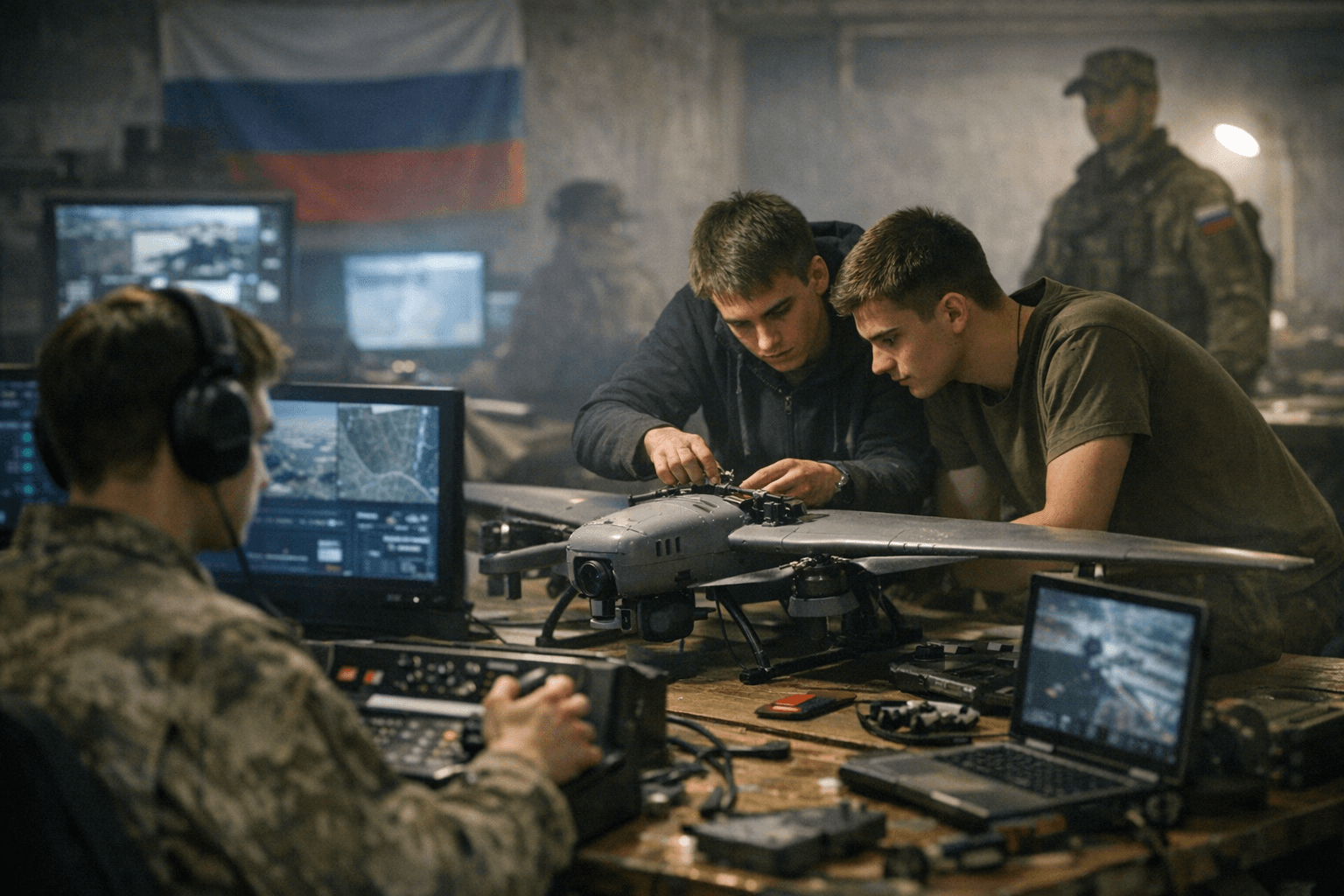
Russia rolled out recruitment packages worth up to 5.5 million roubles in first-year salary to lure technically trained university students into its drone warfare units operating in Ukraine, with promotional materials at institutions including Far Eastern Federal University in Vladivostok framing military service as "not only an opportunity to prove yourself, but also a unique platform for social and career advancement, backed by unprecedented support measures."
The financial terms outlined in university documents and regional government postings went well beyond the headline salary. Students who enrolled would receive a one-time 2.5 million rouble payment following free training, a monthly allowance of 240,000 roubles, and additional university-funded payments on top. At current exchange rates, the first-year salary alone translated to roughly $68,000, placing it well above typical graduate starting wages across Russia's regions.
Kremlin spokesman Dmitry Peskov confirmed the recruitment effort was underway, telling reporters the offer "applies equally to everyone — workers, students and the unemployed." Peskov said he had not seen some of the specific administrative documents circulating at universities and regional offices but did not dispute their content.
The drive extended beyond campuses. In Ryazan, companies reportedly received quotas to identify employees for military contracts, pulling industrial workers into the same recruitment net. Dmitry Medvedev, deputy chairman of Russia's Security Council, cited the rolling scheme to state media as evidence of robust voluntary enlistment, claiming it had produced hundreds of thousands of sign-ups — figures the Kremlin has used to push back against assessments that Moscow faces a serious manpower shortfall.
Officials framed the entire program as voluntary and explicitly separate from a general mobilization. That distinction carries significant political weight: the partial call-up in 2022 triggered street protests and a wave of emigration, and the Kremlin has since been wary of any policy that could produce a similar reaction.
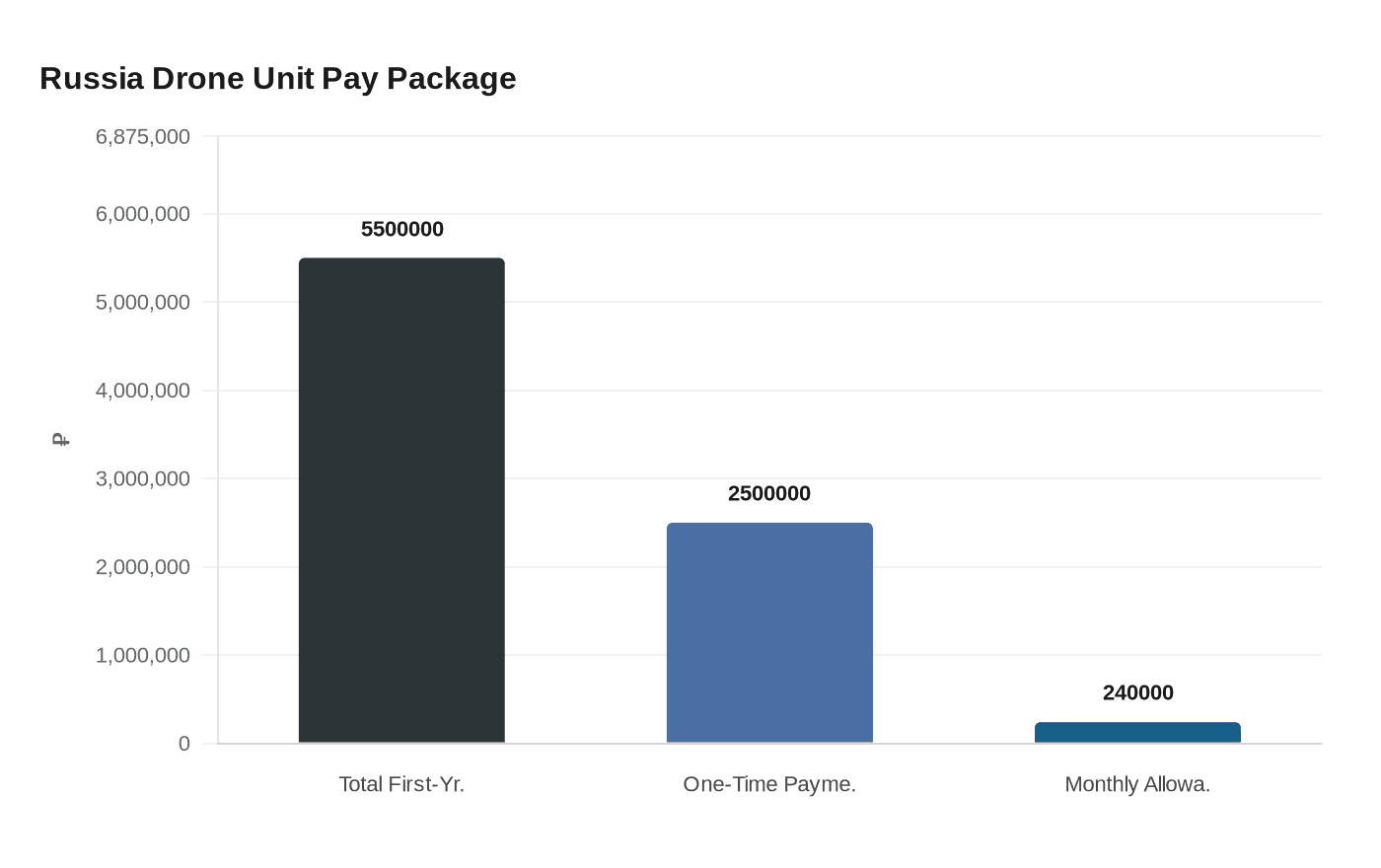
The focus on technically trained recruits reflects drone warfare's central role in the conflict. Both Russia and Ukraine have dramatically expanded their use of unmanned aerial systems for reconnaissance, artillery spotting and precision strikes, creating acute demand for operators and engineers capable of managing electronic systems, navigation, targeting and software-defined payloads. Drawing directly from technical university programs gives Moscow a pipeline of graduates already familiar with the underlying disciplines.
The long-term consequences for Russia's higher education sector could be substantial. Attaching six-figure rouble salaries and academic concessions to military service risks reorienting engineering and computer science faculties toward defense applications, reshaping career expectations for an entire generation of graduates. Whether students accepted the offers in significant numbers, and whether similar programs spread to additional regions or industries beyond Ryazan, remained open questions as the conflict stretched into its fourth year with no negotiated resolution on the horizon.
This article was produced by Prism’s automated news system from verified source data, official records, and press releases, then run through automated quality and moderation checks before publishing. The system is built and supervised by the people who set the standards it runs under. Read our full AI policy.
Did this article answer your question?