Russia turns to India for gasoline as shortages deepen
At least 60,000 tons of gasoline left India for Russia as refinery strikes deepened shortages, forcing the oil giant to import fuel to keep stations supplied.
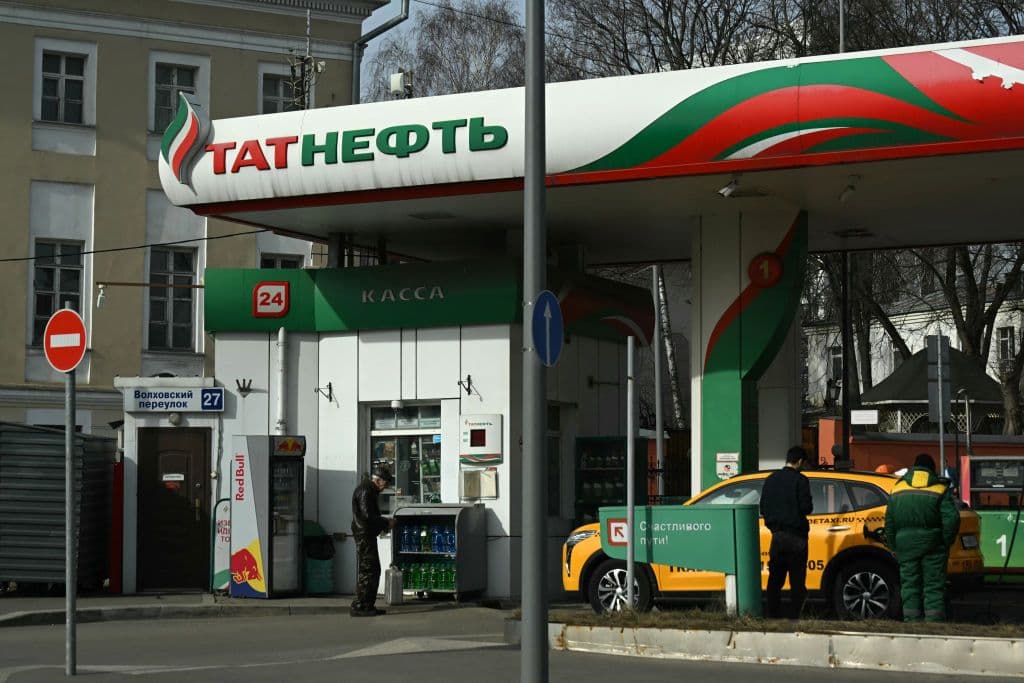
At least 60,000 metric tons of gasoline had already been dispatched from India to Russia as Ukrainian strikes squeeze refinery output and shortages spread across the country.
The shortage is being felt across Russia’s 11 time zones, where drivers have faced rationing, long queues at filling stations and a record jump in gasoline prices. In some regions, independent stations began selling fuel for more than 100 roubles a liter for the first time, while several areas moved to restrict fuel sales as supply tightened further. The pressure has been most visible after repeated attacks on energy infrastructure, including strikes on the Moscow oil refinery’s primary distillation units on June 16 and June 18, 2026.
Russia’s summer gasoline consumption runs at about 110,000 tonnes a day, and imports are expected to reach about 400,000 tonnes a month. The gasoline from India is being moved on two tankers, each carrying 30,000 to 40,000 tons. The Kremlin said on June 30, 2026, that it was in contact with several countries and discussing fuel imports at acceptable prices. Russia’s Energy Ministry and India’s Oil Ministry did not immediately respond. Belarus almost tripled railway gasoline deliveries to Russia in the first half of June to more than 70,000 tons, and Russia imported about 5,170 metric tons of aviation fuel from Belarus in May, nearly four times the level a year earlier.

India has remained a major buyer of Russian crude, and ship-tracking data put its imports from Russia at a record about 2.70 million barrels per day in June 2026, with Russian crude accounting for more than half of India’s total crude imports that month.
This article was produced by Prism’s automated news system from verified source data, official records, and press releases, then run through automated quality and moderation checks before publishing. The system is built and supervised by the people who set the standards it runs under. Read our full AI policy.
Did this article answer your question?


