Russian drone attacks damage two ships in Ukraine Black Sea corridor
Two cargo ships on Ukraine’s Black Sea export lane were hit by drones, rattling a route that carries grain to world markets. No one was hurt, but the trade stakes are enormous.
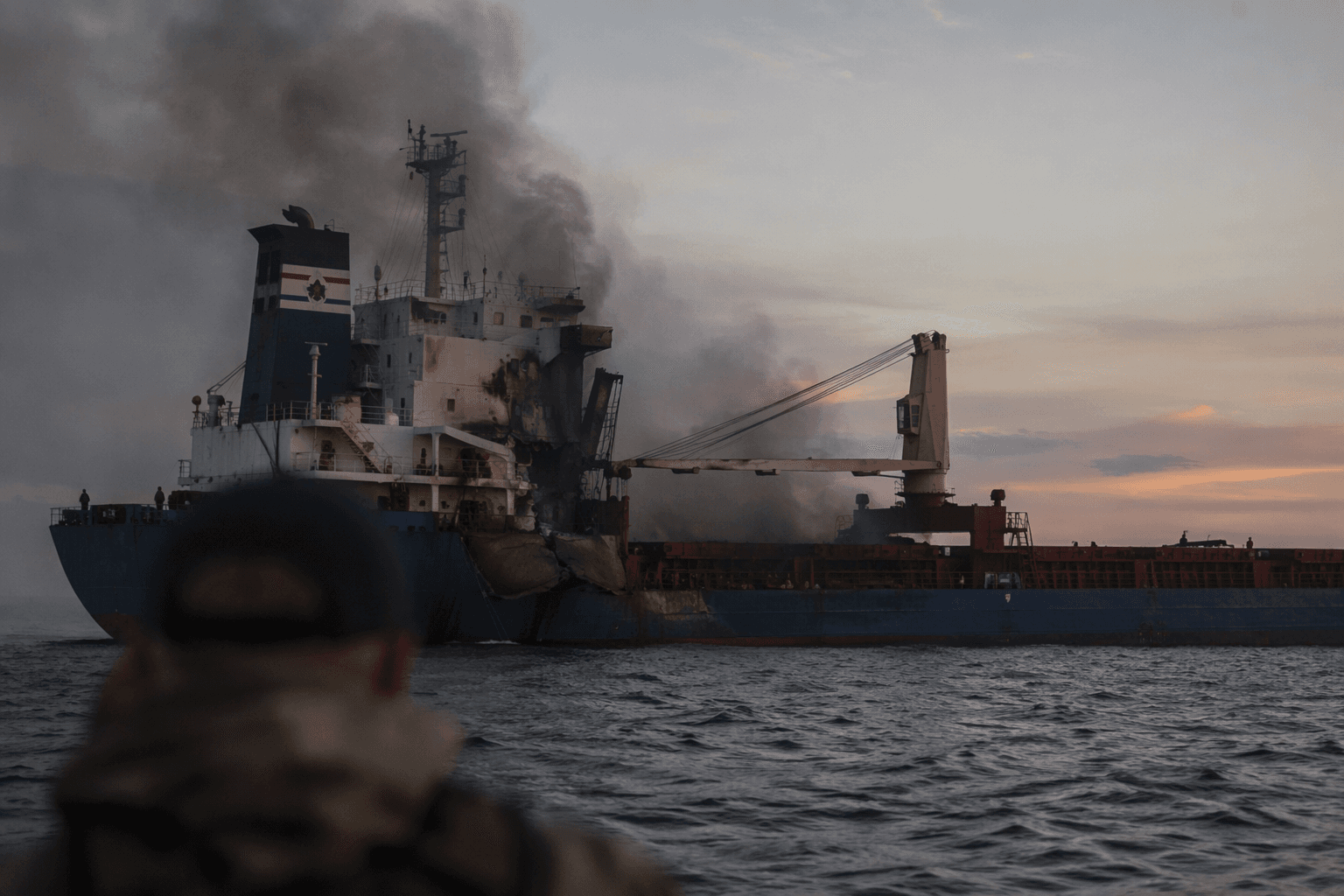
A pair of drone strikes on commercial ships in Ukraine’s Black Sea corridor again put a wartime shipping lane at the center of global trade risk. Two vessels flying Panamanian and Barbadian flags were damaged while moving through the route that carries grain, metal and other exports toward Romanian Danube ports.
One ship was heading to Odesa with a cargo of metal, while the second was carrying grain and had already left port when the attack hit, the Ukrainian Ports Authority said. A fire broke out on one vessel, but the crew extinguished it quickly, and no injuries were reported. Both ships were able to continue their voyages, limiting the physical damage but underscoring how exposed commercial traffic remains near the war zone. The Russian defense ministry did not immediately respond to a request for comment.
Oleh Kiper, the Odesa regional governor, said Russian drones carried out the attack and added that several waves of strikes in southern Odesa region hit civilian targets and energy infrastructure. His account pointed to a wider pattern of pressure on the region, where the Black Sea corridor has become essential not just to Ukraine’s wartime logistics, but to the flow of goods into global markets.
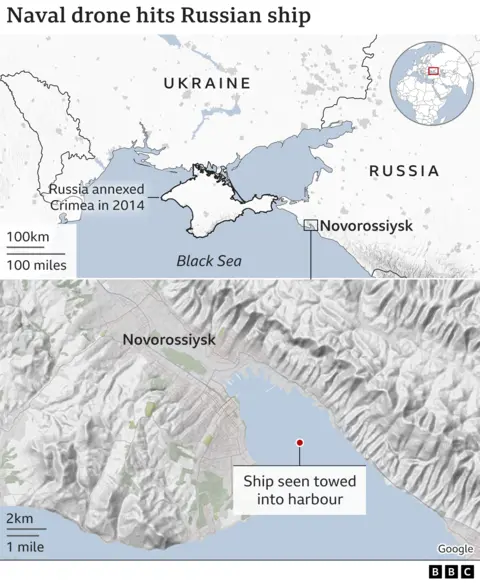
Ukrainian authorities established the maritime corridor to keep ships moving through the Black Sea toward Romanian ports on the Danube River after Russia’s full-scale invasion disrupted normal trade. Since August 16, 2023, more than 5,000 ships have used the route, with agricultural products making up about 80% of the cargo. By early 2026, officials said the corridor had handled more than 162 million tonnes of cargo, including nearly 100 million tonnes of grain. Every attack on a vessel there carries implications that go well beyond one damaged hull: higher insurance premiums, slower export flows and more pressure on food prices tied to Black Sea grain.
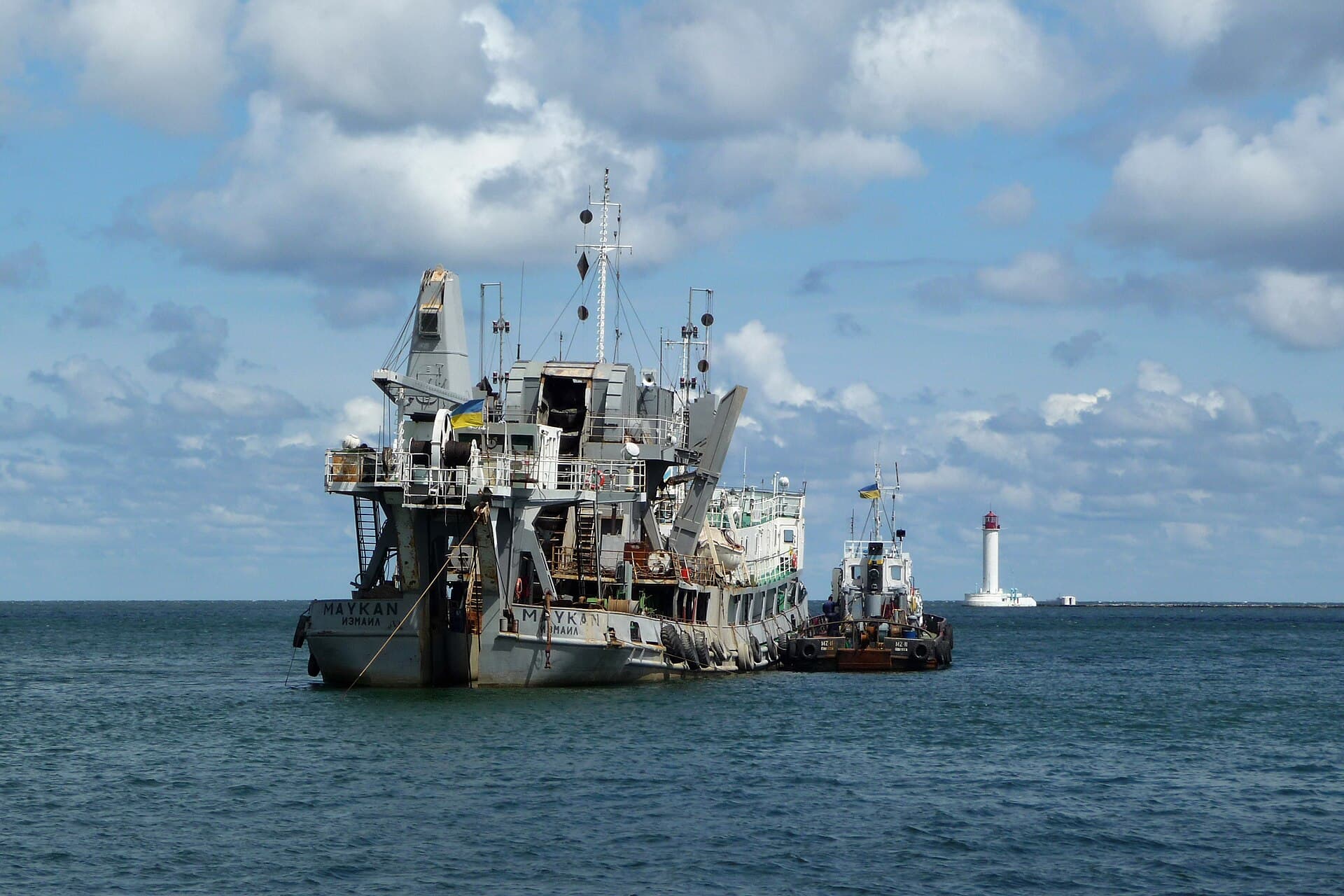
The episode also landed against a diplomatic effort to harden the region’s trade routes. In March 2026, the European Commission, Romania, Moldova and Ukraine agreed to keep working on Danube Action Plan 2.0 to improve safe navigation and responses to disruptions. The International Maritime Organization has also warned that innocent seafarers, port workers and merchant ships should not be targeted in the Black Sea, a warning the latest attack made harder to ignore.
This article was produced by Prism’s automated news system from verified source data, official records, and press releases, then run through automated quality and moderation checks before publishing. The system is built and supervised by the people who set the standards it runs under. Read our full AI policy.
Did this article answer your question?