Russian Oil Tanker Delivers Crude to Cuba, Easing Island Energy Crisis
The Russian tanker Anatoly Kolodkin delivered ~700,000 barrels of crude to Matanzas Bay, Cuba's first major oil shipment in months amid rolling blackouts.
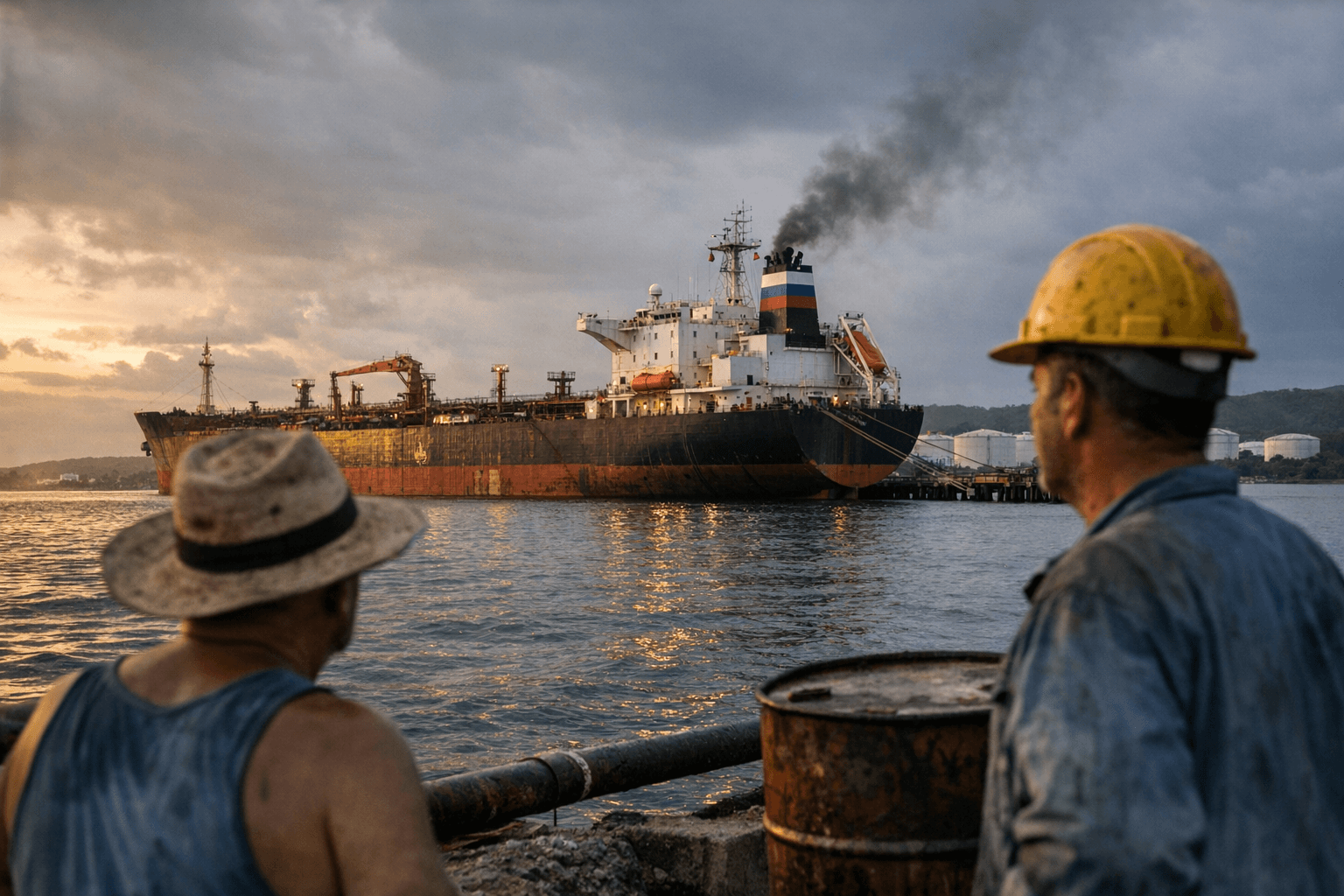
The Anatoly Kolodkin, a Russia-flagged Aframax tanker carrying roughly 700,000 barrels of Urals crude, anchored in Matanzas Bay on March 31, marking Cuba's first major tanker delivery in months and offering a fragile reprieve for an island that has endured relentless rolling blackouts.
Residents of Matanzas, many of whom woke that morning without electricity, watched the vessel take up anchorage near Cuba's largest fuel storage facilities. Marino Gálvez, one resident who witnessed the arrival, described the moment as "like a drop of water in the desert," while voicing frustration at the political decisions that left ordinary people to absorb the consequences.
The shipment of Russian Urals crude, a medium sour grade compatible with Cuba's aging refinery infrastructure, was framed by Havana and Moscow as a humanitarian delivery to an island of roughly 10 million people. President Miguel Díaz-Canel publicly acknowledged that Cuba had gone months without a tanker arrival and said the fuel would provide temporary relief as refineries processed the crude into usable products.
That relief will not arrive quickly. Offloading alone will take days, and officials and residents alike warned that distribution bottlenecks and constrained refinery capacity could further delay any measurable improvement in power availability.
The delivery followed Washington's decision to tighten controls on energy flows to Cuba earlier in 2026, moves that effectively curtailed Venezuelan oil supplies to the island. The U.S. also threatened punitive tariffs against countries that continued resupplying Cuba with fuel, a pressure campaign that contributed directly to the scarcity now disrupting hospitals, public transport, and agriculture. Kremlin officials, describing Cuba's situation as "desperate," publicly signaled their willingness to step in.
Washington ultimately allowed the Anatoly Kolodkin's passage on humanitarian grounds but made clear that future shipments would be reviewed case by case, a posture that leaves Cuba's longer-term energy security unresolved. The tanker anchored not far from the U.S. naval base at Guantánamo Bay, a geographic proximity that sharpened the symbolic weight of the delivery.
Cuba's 700,000-barrel reprieve is a pause, not a solution. Restoring stable energy supply will require renegotiated supply chains and diplomatic arrangements that no single tanker can provide, and the case-by-case framework Washington has signaled offers little predictability for an island already running months behind on fuel.
This article was produced by Prism’s automated news system from verified source data, official records, and press releases, then run through automated quality and moderation checks before publishing. The system is built and supervised by the people who set the standards it runs under. Read our full AI policy.
Did this article answer your question?


