Russian Strikes Hit Odesa Port and Energy Networks, Fires Rage
Russian forces struck the Black Sea port of Odesa and nearby energy and industrial sites late on December 21 and into December 22, causing fires, widespread power outages and damage to port facilities and a civilian vessel. The attacks deepen a pattern of sustained strikes that threaten maritime logistics, local civilian infrastructure and broader regional supply chains.
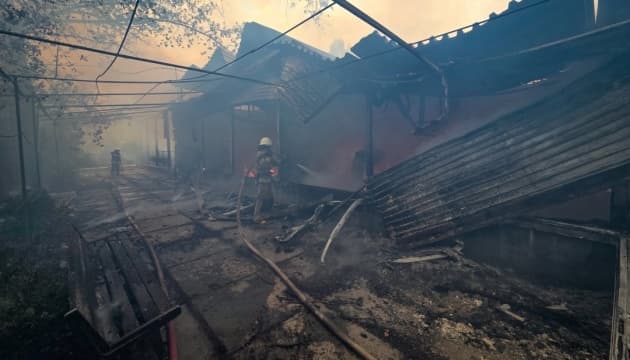
Russian forces struck Ukraine’s Black Sea port of Odesa late on December 21 and again overnight into December 22, regional officials said, damaging port infrastructure, setting fires and disrupting electricity supplies across the region. Governor Oleh Kiper posted situational updates on Telegram describing damage at port facilities and the deployment of emergency crews and port workers to fight blazes. Authorities said at least one civilian ship sustained damage in the attacks.
Deputy Prime Minister Oleksiy Kuleba wrote on Telegram, "Russia is attempting to disrupt maritime logistics by launching systematic attacks on port and energy infrastructure," noting that the major commercial hub of Pivdennyi was struck and that a fire involved roughly 30 containers of flour and vegetable oil. Rescuers and state emergency services were reported to have extinguished fires at some sites while attending to remaining hotspots at the port.
The strikes extended beyond docks, authorities said, hitting energy and industrial targets across Odesa Oblast. Officials reported damage to an energy facility that caught fire and widespread disruption to electricity supplies, leaving more than 120,000 customers without power in the region. A warehouse storing fertilizers and agricultural equipment was also reported damaged, and additional strikes over recent days have battered administrative buildings, educational institutions, residences, storefronts vehicles and garages.
Initial regional updates provided no casualty figures, but later statements from the interior ministry and local sources confirmed one person injured in the latest waves of strikes and hospitalized in moderate condition. Emergency services continued to work on site clearing debris, dousing fires and restoring basic services.
Some local officials attributed the attack to ballistic missiles, though the weapon type has not been independently confirmed. Russia did not immediately comment on the overnight strikes. The incident fits into an intensified campaign of strikes on Odesa region infrastructure and civilian sites that officials say has persisted for more than a week, repeatedly degrading power supplies and port capacity.
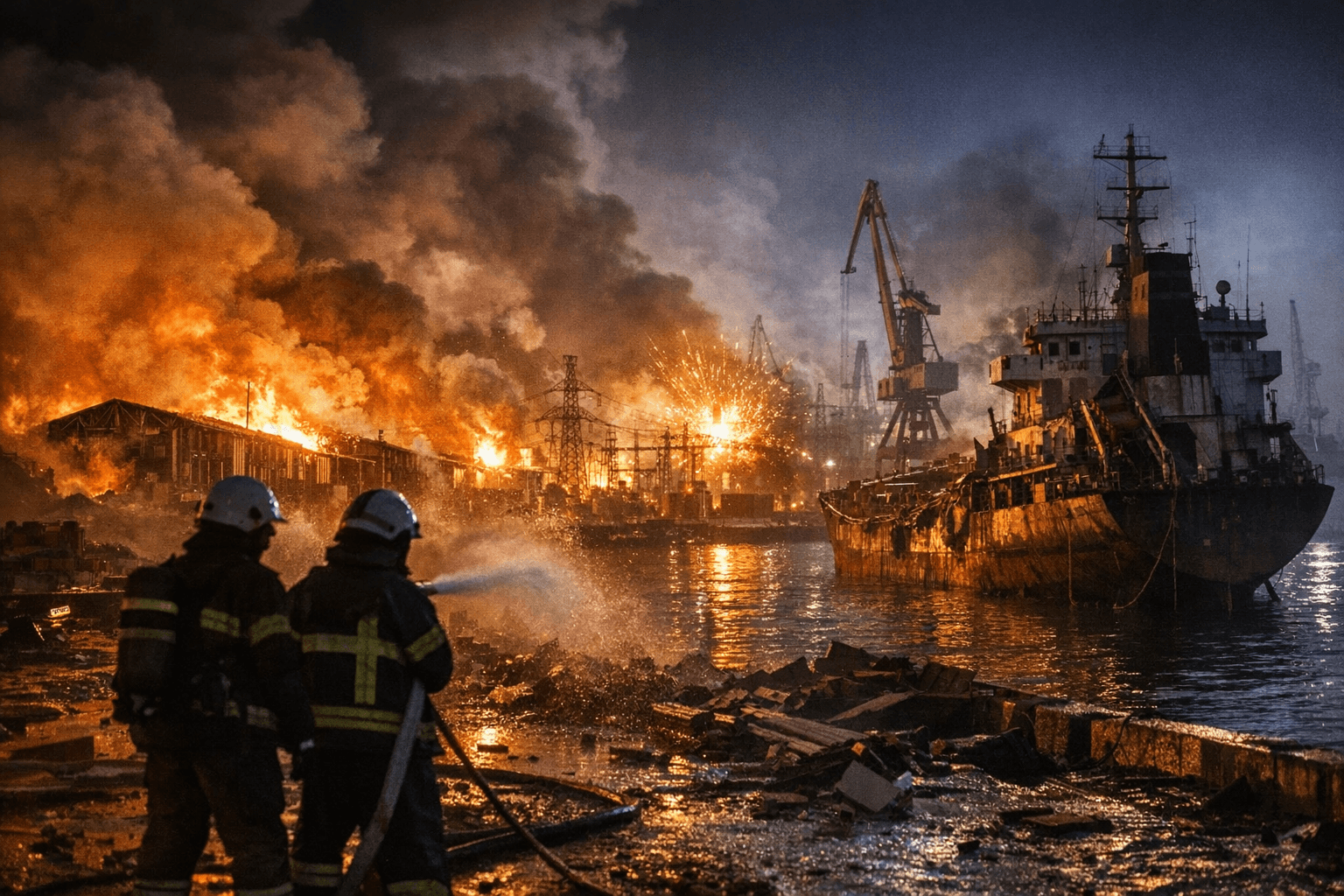
The targeting of Pivdennyi and related logistics facilities carries implications beyond immediate damage and human risk. Odesa’s ports handle exports of grain and agricultural products that are integral to regional food security and to global markets. Damage to storage, container stocks and shipping capacity may exacerbate supply chain disruptions, raise insurance and freight costs, and complicate the efforts of neutral carriers and humanitarian consignments seeking safe passage through the Black Sea.
Under international humanitarian law, deliberate attacks on civilian infrastructure and facilities that are not imperatively military in nature can raise legal and diplomatic consequences. For Ukraine, repeated strikes on ports and energy grids are portrayed as part of a campaign to pressure logistics and civilian life. For governments and commercial operators abroad, the new damage increases the calculus around rerouting shipments and the costs of operating in a contested maritime environment.
The strikes underscore the fragility of critical infrastructure in wartime and the cascading effects on civilians and international commerce. Local authorities have urged vigilance and continued cooperation with emergency services as they assess the full extent of damage and work to restore power and reopen port operations. International monitoring groups and partner governments will likely watch closely for further attacks and any shifts in maritime security that could affect broader trade and humanitarian relief efforts.
This article was produced by Prism’s automated news system from verified source data, official records, and press releases, then run through automated quality and moderation checks before publishing. The system is built and supervised by the people who set the standards it runs under. Read our full AI policy.
Did this article answer your question?


