Russian Tu-22M3 bomber crashes during training flight in Siberia
A Tu-22M3 went down near Kamenka in Irkutsk region, and all four crew members ejected from a bomber tied to Russia's long-range deterrent.
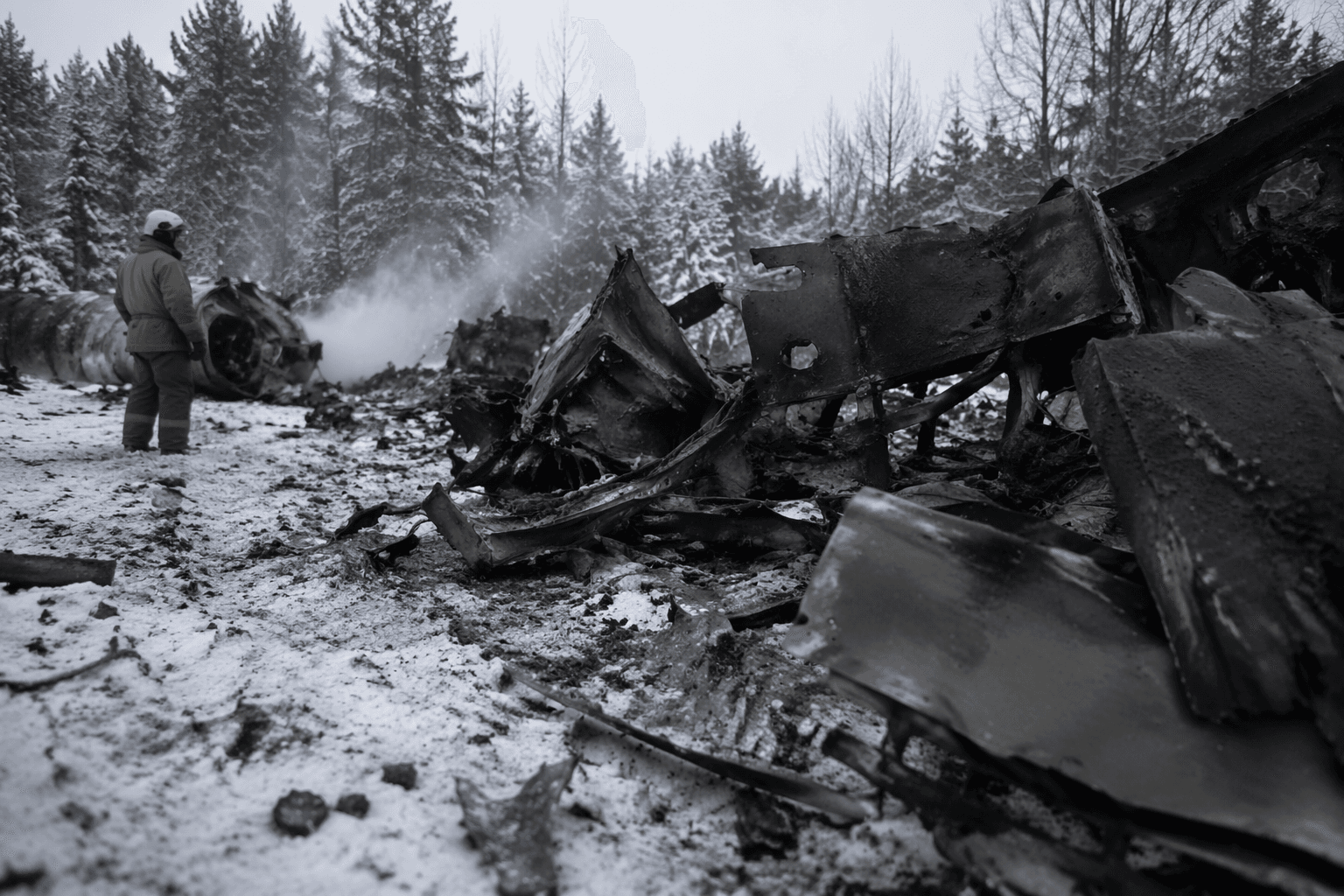
The crash of a Russian Tu-22M3 bomber in Siberia exposed more than the hazards of one training flight. The four-person crew escaped alive, but the loss of a strategic aircraft that can carry Kh-22 cruise missiles and hypersonic Kinzhal missiles raised immediate questions about the condition of Russia’s long-range aviation fleet.
The bomber went down during a training flight in Irkutsk region on June 15, near the village of Kamenka and close to the Angara River. Other reports placed the wreckage near Svirsk, and local officials said emergency services and medical personnel were sent to the scene. A fire broke out after impact, but authorities said there was no damage on the ground and the aircraft was not carrying a combat load.
The Russian Defense Ministry said the crew ejected safely and insisted there was no threat to the pilots’ lives or health. The aircraft was on approach to land during a scheduled training flight, according to reports that tracked the sequence of the accident. The Tu-22M3, known by NATO as the Backfire, is a Soviet-era supersonic bomber that has seen combat use in Syria and Ukraine, and it remains part of the air leg of Russia’s nuclear triad.
That makes the crash more than a local aviation incident. Russia’s long-range aviation fleet has been under intense strain during the war in Ukraine, with strategic bombers used repeatedly and closely watched for signs of wear, maintenance pressure and attrition. Even a training loss matters because these aircraft are expensive, difficult to replace and central to Moscow’s ability to project power over long distances.

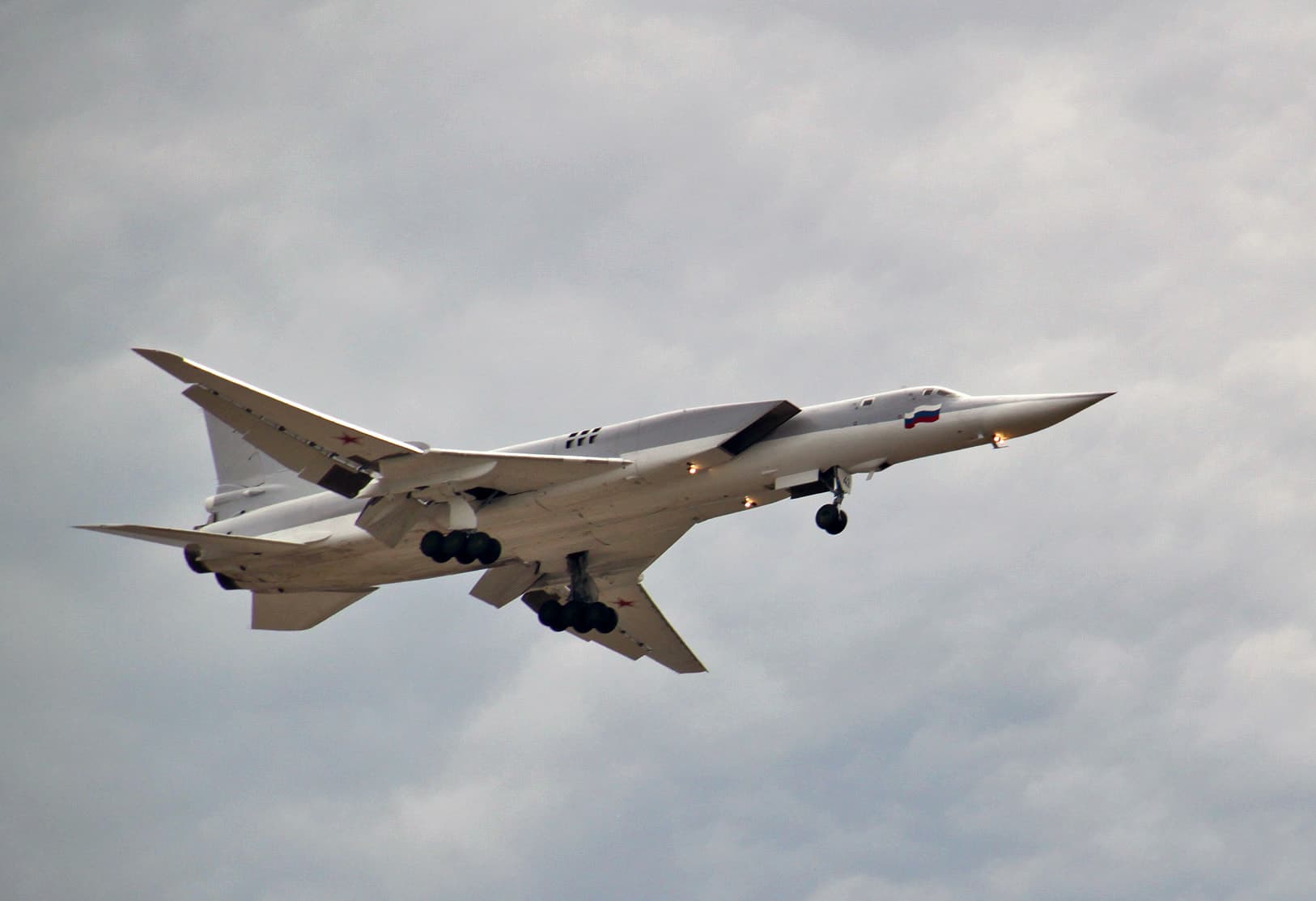
The Irkutsk region has now seen several Tu-22M3 accidents in recent years. One bomber crashed there on August 15, 2024, killing one crew member. Another went down on April 2, 2025; all four crew members ejected, but one pilot later died. The latest crash also revived attention on Belaya Air Base, which some reports place about 30 kilometers from the crash site and which was targeted in Ukraine’s June 1, 2025 Operation Spiderweb drone assault. That strike was reported to have damaged or destroyed multiple Russian long-range bombers, adding to concerns about the vulnerability of a fleet that Moscow still relies on for both warfighting and deterrence.
This article was produced by Prism’s automated news system from verified source data, official records, and press releases, then run through automated quality and moderation checks before publishing. The system is built and supervised by the people who set the standards it runs under. Read our full AI policy.
Know something we missed? Have a correction or additional information?
Submit a Tip