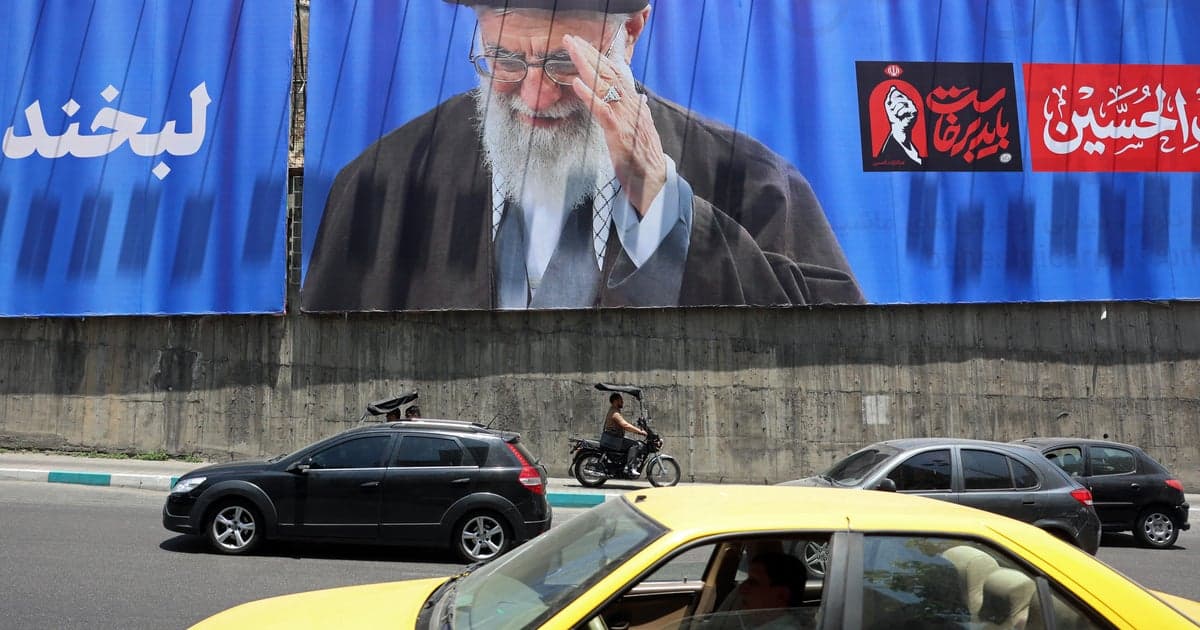
Russia's Internet Crackdown Deepens as VPN Blocks and Blackouts Surge
Mobile internet went dark daily across central Moscow and St. Petersburg as Russia blocked more than 400 VPNs, a 70% surge, tightening its grip on ordinary life.
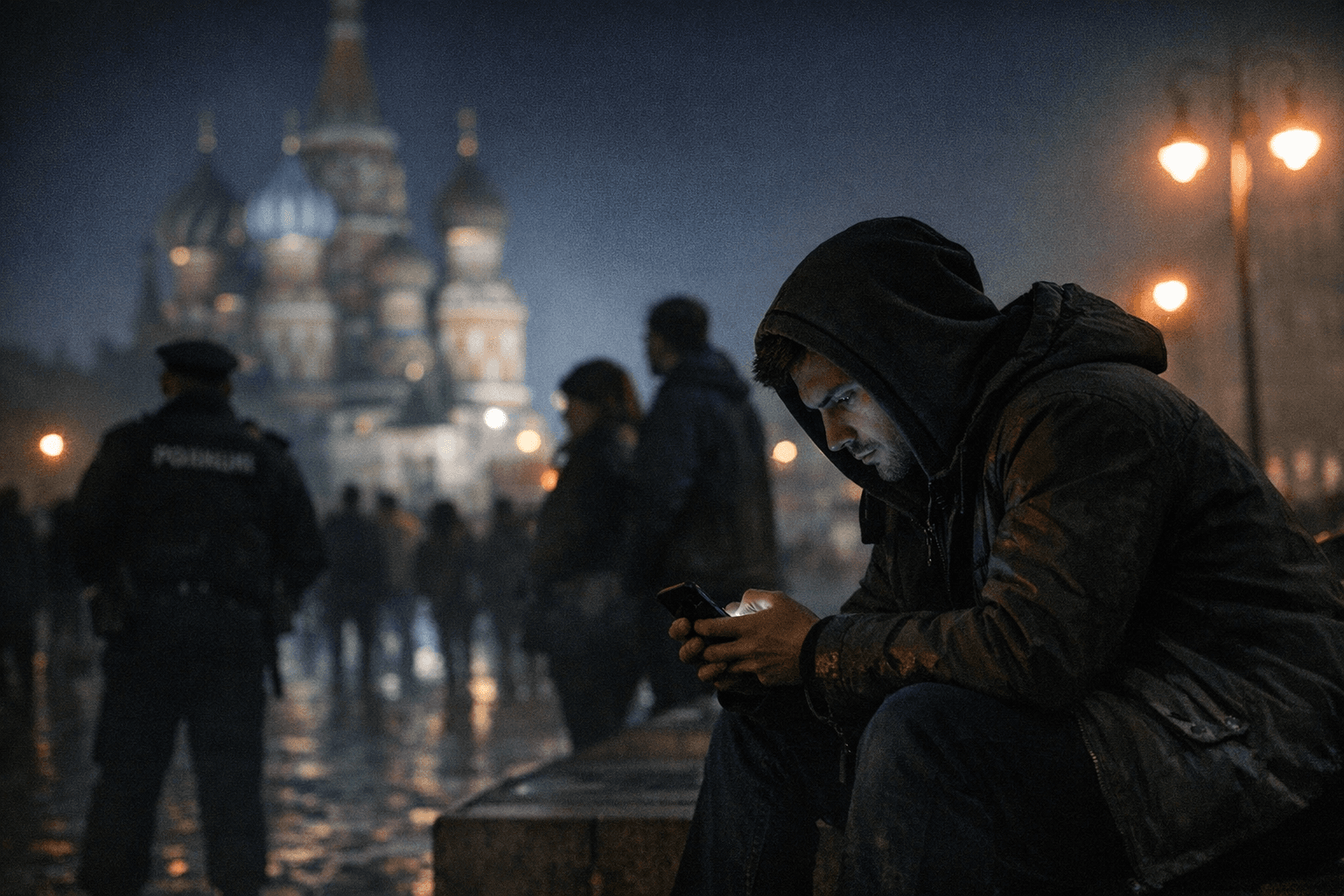
Office workers arrived at their desks in central Moscow with no mobile internet. Teenagers hunting for a working VPN cycled through one service after another as each was taken down. Taxi drivers navigated the capital blind, stripped of online navigation. Over the past week, this became the daily reality across parts of central Moscow, St. Petersburg and other major Russian cities, with mobile internet completely cut every day, according to Reuters reporters in those areas and eight senior foreign diplomats in Russia.
The eight diplomats were unequivocal: Moscow's internet crackdown had gone further than anything they had seen before in the country. The shutdowns were not new, but the intensity was. Mobile internet had been periodically cut in Russian regions for months, outages frequently following major Ukrainian drone attacks. What changed in recent weeks was the scope and consistency of the disruption in Russia's largest urban centers.
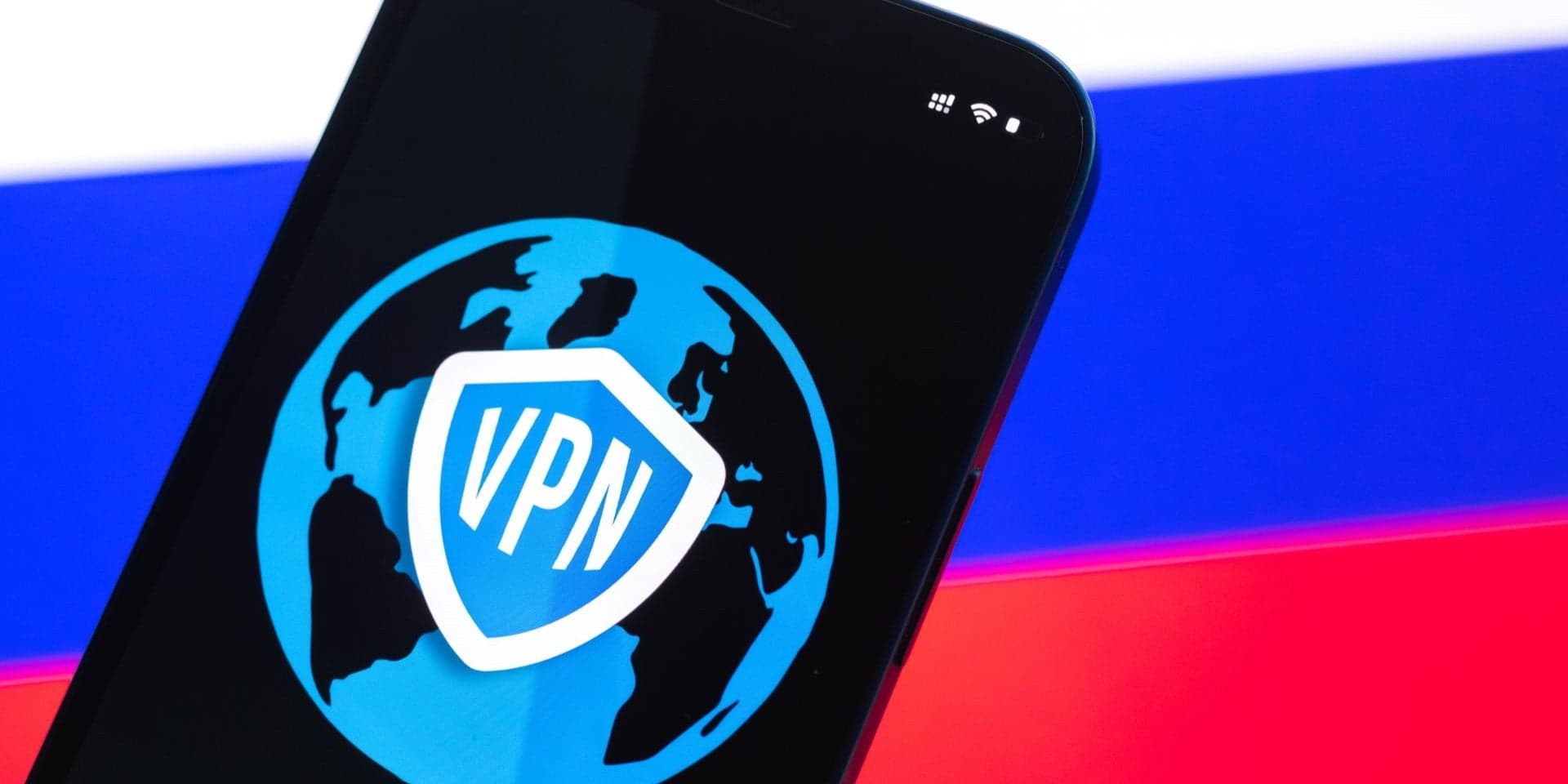
Russia's assault on virtual private networks set the pace for the broader crackdown. By mid-January, Kommersant newspaper reported, the country had blocked more than 400 VPN services, a figure 70% higher than the number blocked in late 2025. The rapid escalation left users with shrinking options: switch services constantly, as teenagers across the country were doing, or surrender access to the wider internet.
Alongside the VPN sweep, the government moved against major messaging platforms. WhatsApp, the US-based service, was blocked outright, while Telegram, the Dubai-based messaging app, faced restrictions. Both actions tightened a communications squeeze already cutting residents in Russia's two largest cities off from mobile data for stretches of every day.
The enforcement apparatus behind these controls expanded in tandem with the disruptions. New laws bolstered the powers of the FSB security agency, according to Reuters, reinforcing the state's capacity to act against platforms and networks. International correspondent Valerie Hopkins, reporting from inside Russia, described navigating the daily challenge of staying connected as the Kremlin steadily closed off one access point after another.
The convergence of expanded FSB authority, a 400-plus VPN blacklist, and daily mobile outages in Moscow and St. Petersburg signals a Kremlin that has moved digital control from a background instrument to a front-line priority. Ahead of Russia's next political cycle, each day's blackout carries its own message: the state can sever the connection, and has every intention of keeping that option ready.
This article was produced by Prism’s automated news system from verified source data, official records, and press releases, then run through automated quality and moderation checks before publishing. The system is built and supervised by the people who set the standards it runs under. Read our full AI policy.
Did this article answer your question?