Russia’s top court bars anti-war party from parliamentary vote
Russia’s Supreme Court barred Yabloko from the State Duma race, cutting out the only officially registered party opposing the war in Ukraine. About 100 protesters shouted "Shame! Shame!" outside.
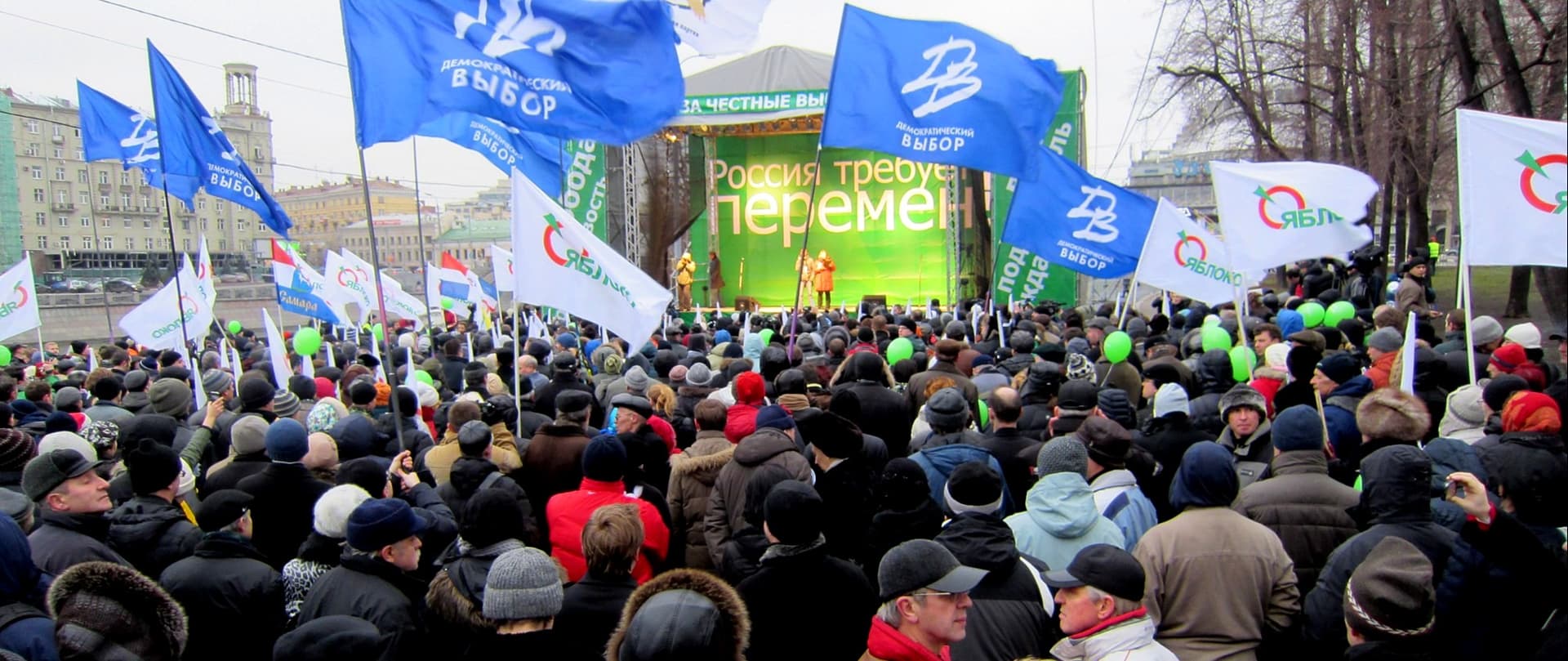
Russia’s Supreme Court barred Yabloko from contesting September’s State Duma elections, removing the only officially registered party that opposes Moscow’s war in Ukraine from the ballot. The ruling came in Moscow and landed more than four years after Russia launched the war.
The case was brought by Rodina, a pro-Kremlin nationalist party. Rodina accused Yabloko of receiving undeclared campaign support, including from Western sources, an allegation Yabloko denied. The court’s decision left Yabloko outside the parliamentary race just as it tried to sharpen its message around the war and the ceiling on dissent in Russian politics.
Yabloko had hoped to use the September vote to raise its profile by presenting itself as the only opposition group in favor of a ceasefire. The party has struggled for years to regain a foothold in the lower house, and France 24 said it last won a seat in the State Duma in 2003. Leader Nikolay Rybakov said the party would appeal the decision.
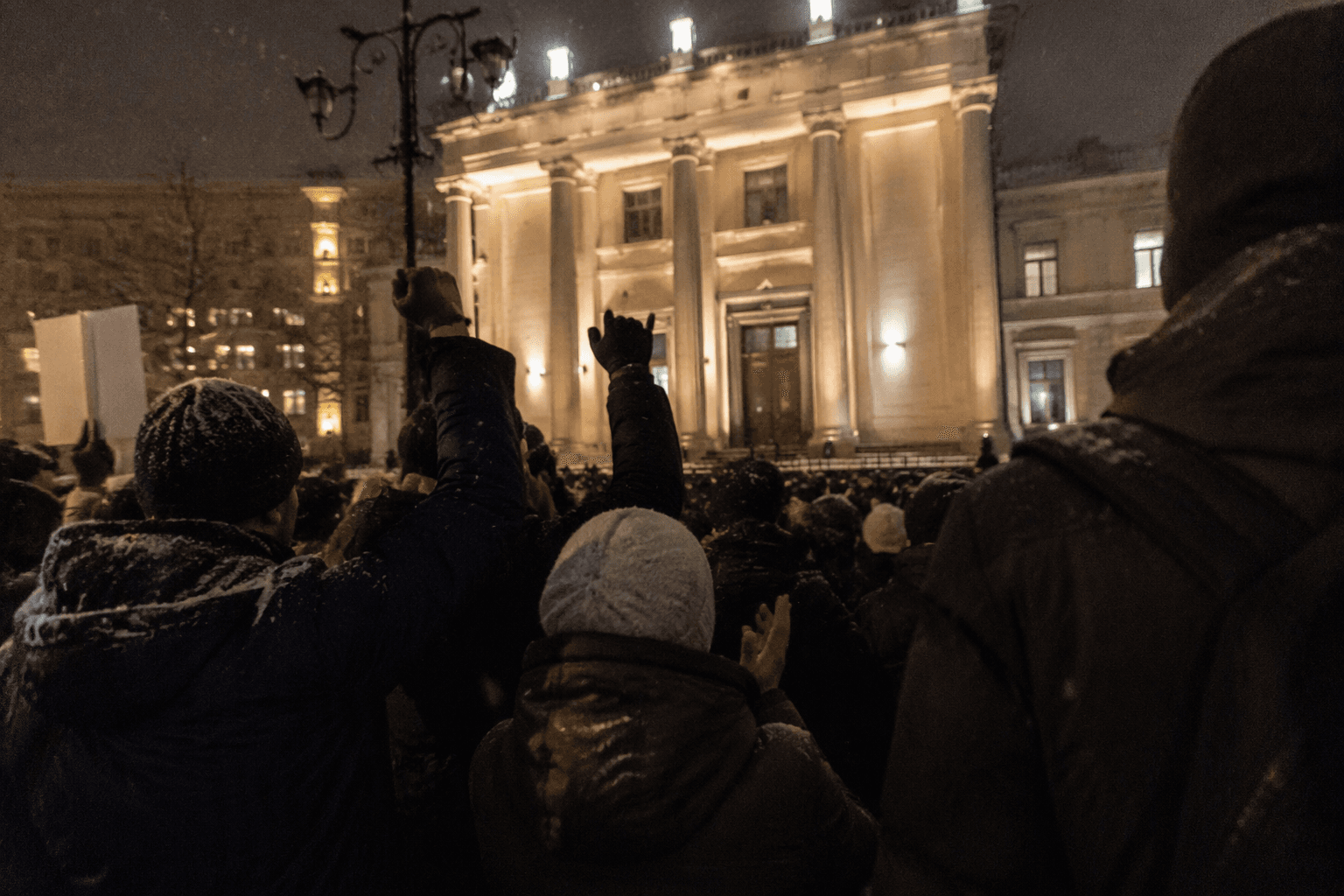
Outside the courthouse, about a hundred protesters gathered after the ruling and chanted, "Shame! Shame!" The demonstration underscored how little room remains for public anti-war politics, even inside tightly controlled electoral channels. With Yabloko barred, the parliamentary ballot loses one of the few names linked openly to opposition to the war.

The decision adds to a political environment that has narrowed steadily since the invasion of Ukraine. By excluding a liberal anti-war party before voters can cast ballots, the court reinforced a system in which legal and electoral tools can be used to keep dissenting voices out of competition. For Yabloko, the ruling again shut the door on a return to the legislature it last entered 23 years ago.
This article was produced by Prism’s automated news system from verified source data, official records, and press releases, then run through automated quality and moderation checks before publishing. The system is built and supervised by the people who set the standards it runs under. Read our full AI policy.
Did this article answer your question?