Trump normalizes G.O.P. extremism until it reaches absurd extremes
Mike Johnson sent an average of $100,000 to battleground Republicans as his party’s fundraising hit records, even with his long anti-LGBTQ record.

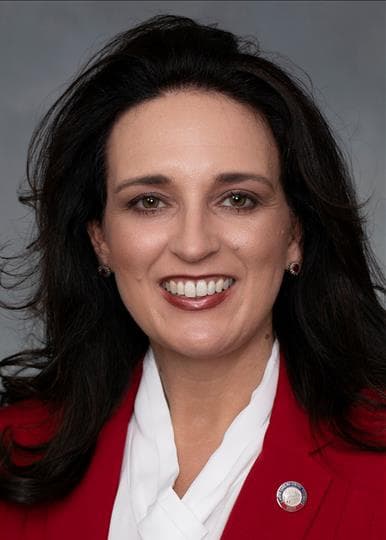
House Speaker Mike Johnson transferred an average of $100,000 to incumbent Republicans in battleground districts this quarter, drawing on a $19 million fundraising haul that again showed how central he has become to the GOP’s 2026 money machine. The cash flowed even as Johnson’s own political profile, built on years of anti-LGBTQ activism, has become far less disqualifying inside a party reshaped by Donald Trump.
Johnson’s record has been visible since he rose to the speakership in October 2023 after an unprecedented three-week void without a House speaker. The Campaign for Southern Equality called him a longtime anti-LGBTQ extremist, ABC said he previously called gays “destructive,” and the Human Rights Campaign described him as an election denier who called LGBTQ people a “deviant group.” That kind of language once marked a politician as radioactive in national Republican politics; now it sits alongside leadership posts, fundraising appeals and campaign checks.

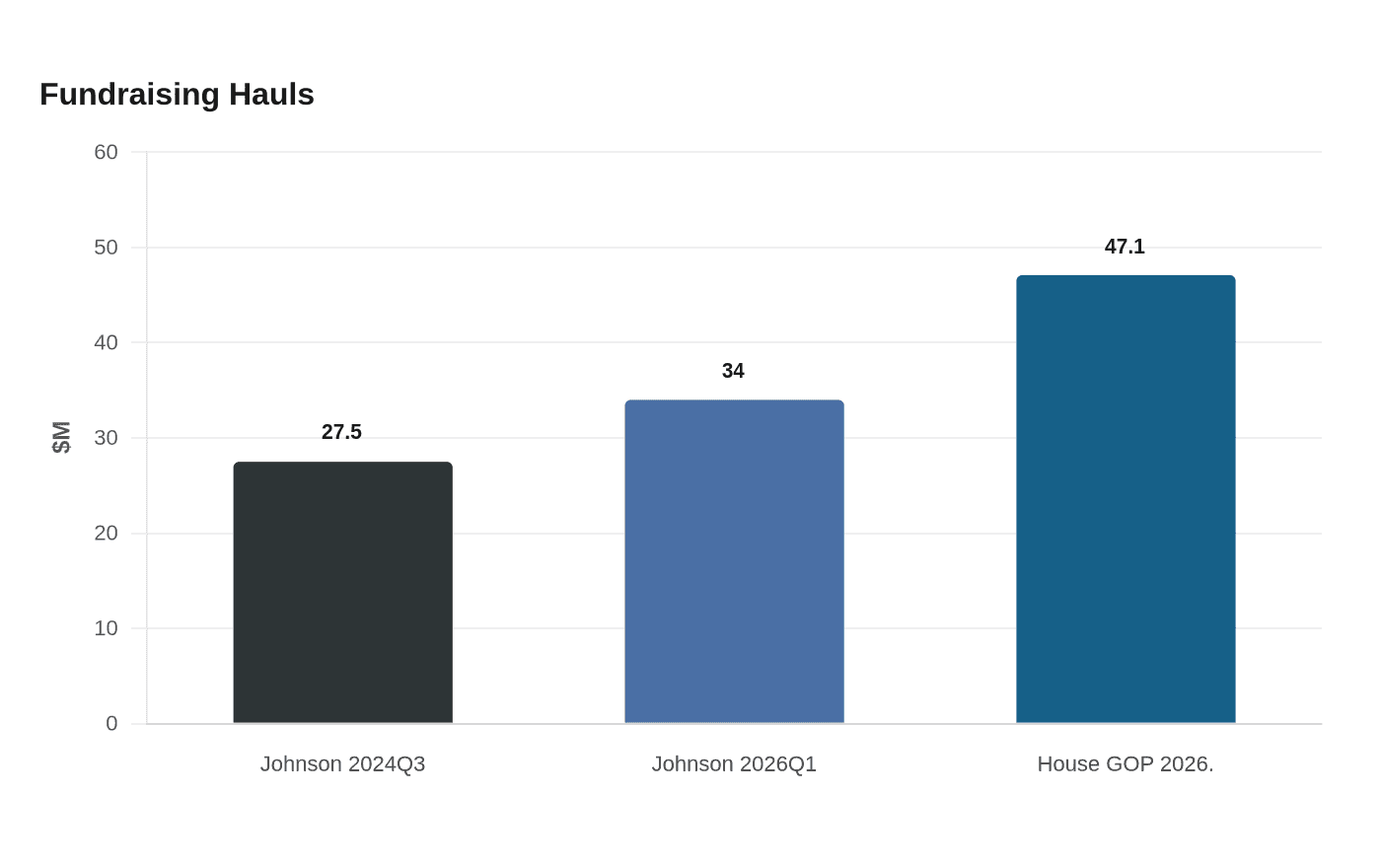
The scale of Johnson’s financial operation makes that normalization more obvious. He announced $34 million in first-quarter fundraising in April 2026, a new record to begin the election year. The House Republicans’ campaign arm later said it raised a record $47.1 million in the first three months of 2026, underscoring how aggressively the party is stockpiling cash before the midterms. Johnson had already set a Speaker’s record in 2024 when he reported a $27.5 million third-quarter haul.
That money matters because Republicans are heading into 2026 with a House majority that still looks precarious. EMILY’s List put 46 House Republicans “on notice” in March 2025, naming them top targets for defeat in the next midterm. Johnson’s ability to turn his own fundraising into direct aid for vulnerable incumbents makes him more than a message carrier; he is part of the infrastructure that keeps the party’s toughest seats competitive.
He has also used his leadership platform to lean hard into partisan fights. In Virginia, Johnson called the state’s mid-decade redistricting plan a “dishonest gambit to try to rig the system,” framing the issue in language that matched the broader Republican escalation around voting and power. The pattern is now familiar: rhetoric that would once have been a red line survives if the speaker can raise money, defend the majority and keep allies in line.
This article was produced by Prism’s automated news system from verified source data, official records, and press releases, then run through automated quality and moderation checks before publishing. The system is built and supervised by the people who set the standards it runs under. Read our full AI policy.
Did this article answer your question?