Sabalenka backs Wimbledon prize-money protest for lower-ranked players
Aryna Sabalenka backed Wimbledon’s media protest, saying the prize-money fight was really for lower-ranked players who struggle to afford a coach.
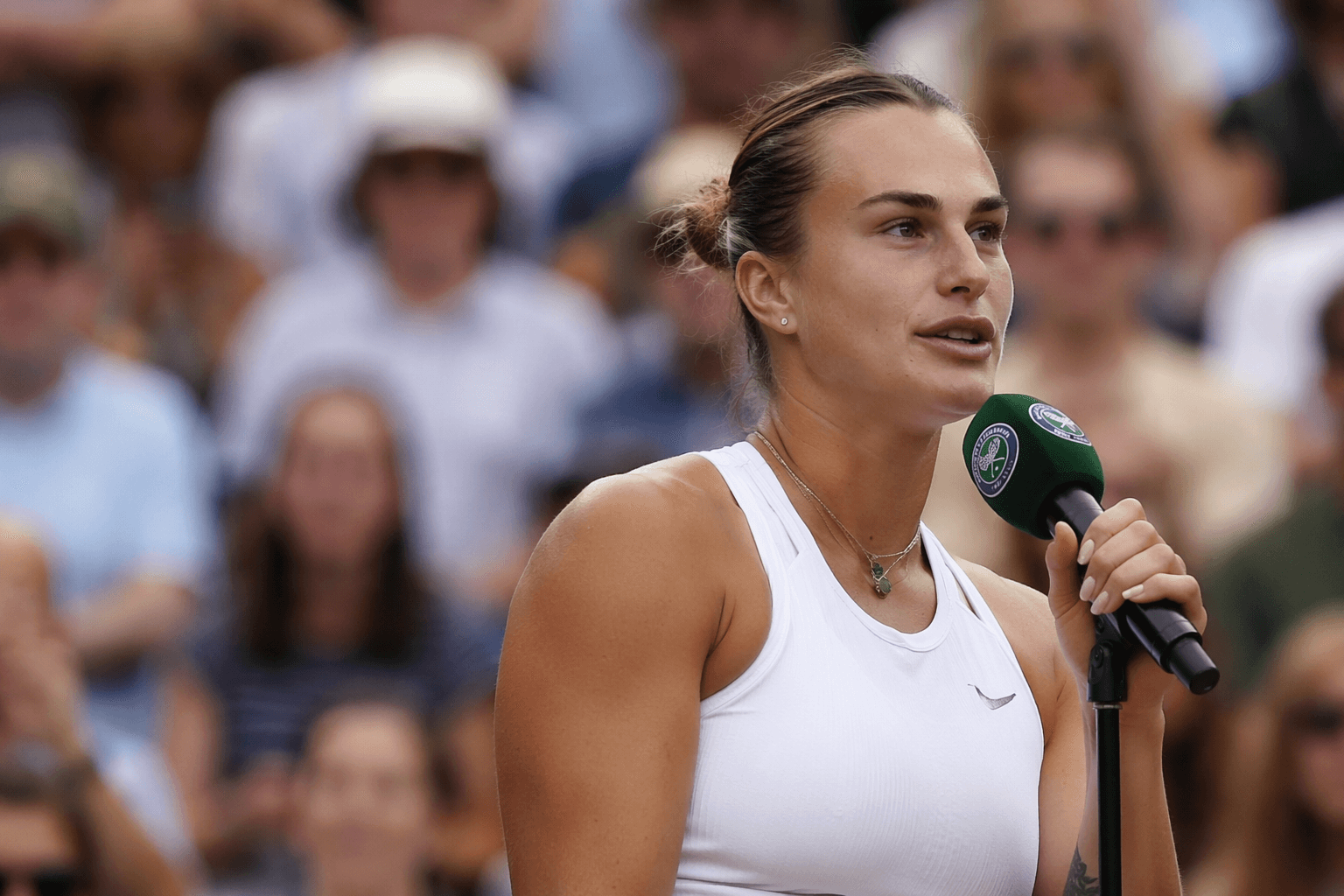
Aryna Sabalenka backed the Wimbledon player protest on Friday, saying the dispute over prize money was meant to help lower-ranked players rather than reward the sport’s biggest names. The top seed’s comments came as Wimbledon’s players pressed ahead with a campaign over how Grand Slam revenue is shared and how the tour treats the wider player base.
Sabalenka said the increase in Wimbledon’s prize fund was “a good start” and said she hoped the two sides could finally get to the table and reach a conclusion everyone could live with. She argued the protest was not selfish, saying it was for the tour and for players who struggle to even hire a coach. Sabalenka is part of a group represented by former WTA chief executive Larry Scott, pushing for a larger share of Grand Slam revenue and better working conditions.
Players at Roland Garros planned to cap media availability at 15 minutes in May while arguing that their share of revenue had fallen from 15.5% in 2024 to a projected 14.9% in 2026. They also sought better representation, health options and pensions from the four Grand Slams. French Open organizers regretted the move because it affected media, broadcasters, staff and the wider tennis community.

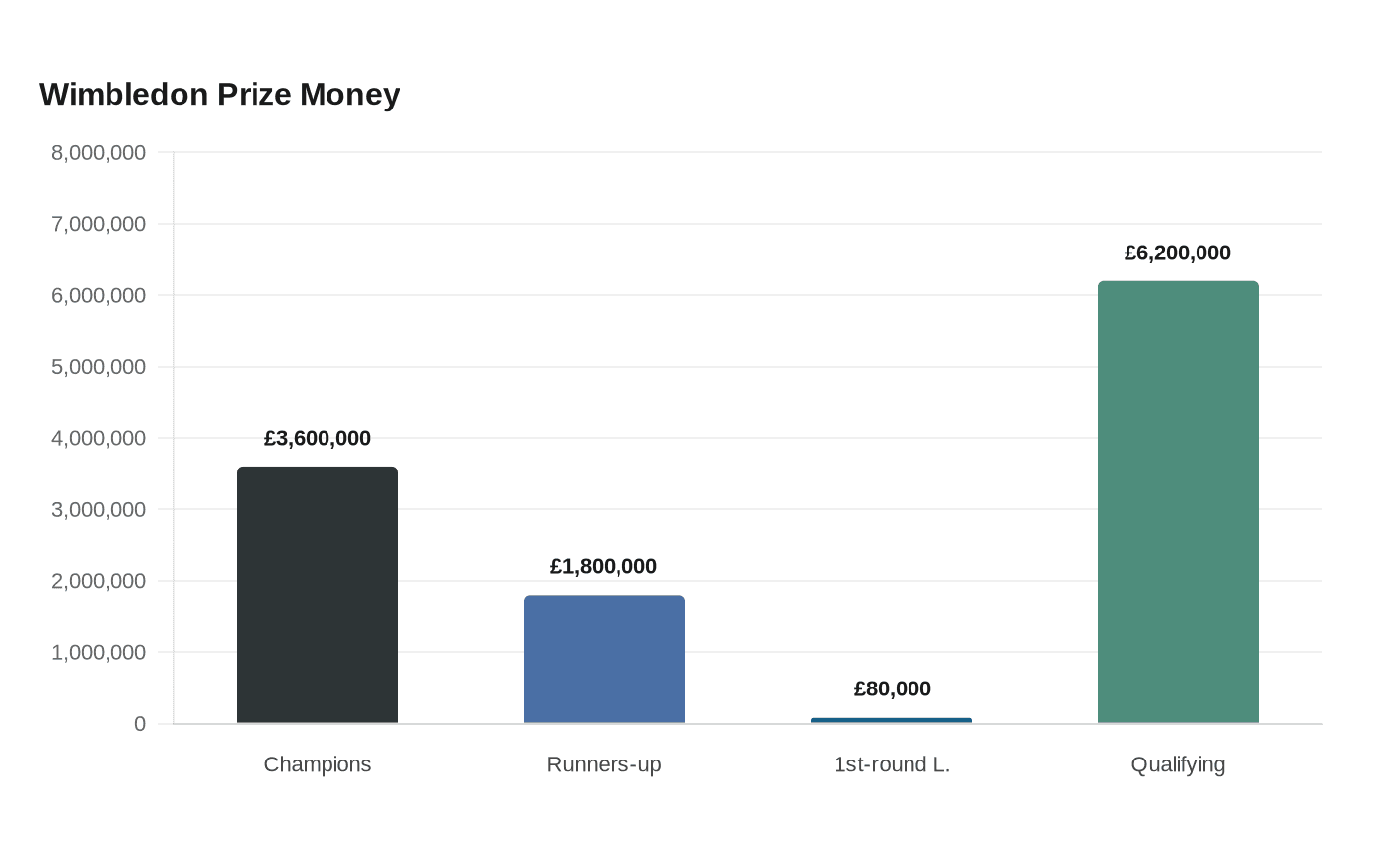
Wimbledon raised its total prize pot by a record 20% this year to £64.2 million, up from £53.5 million in 2025. The £10.7 million increase is the biggest annual rise in Wimbledon history, and singles champions will receive £3.6 million each, runners-up £1.8 million and first-round singles losers £80,000, while qualifying prize money has risen to £6.2 million.
Wimbledon has invested nearly £1 billion since COVID in prize money, facilities and services, the grass-court season, and support for British and international tennis, including a new player performance zone with a larger gym, improved medical and recovery facilities and a nutrition bar. Deborah Jevans, the Wimbledon chair, said the club was surprised and disappointed by the protest and stressed that revenue figures do not capture how much the tournament puts back into the sport.
This article was produced by Prism’s automated news system from verified source data, official records, and press releases, then run through automated quality and moderation checks before publishing. The system is built and supervised by the people who set the standards it runs under. Read our full AI policy.
Know something we missed? Have a correction or additional information?
Submit a Tip