Sabalenka, Sinner lead French Open media protest over prize money
Sabalenka and Jannik Sinner cut French Open media duties to 15 minutes, pressing a fight over revenue share as prize money rose to 61.7 million euros.
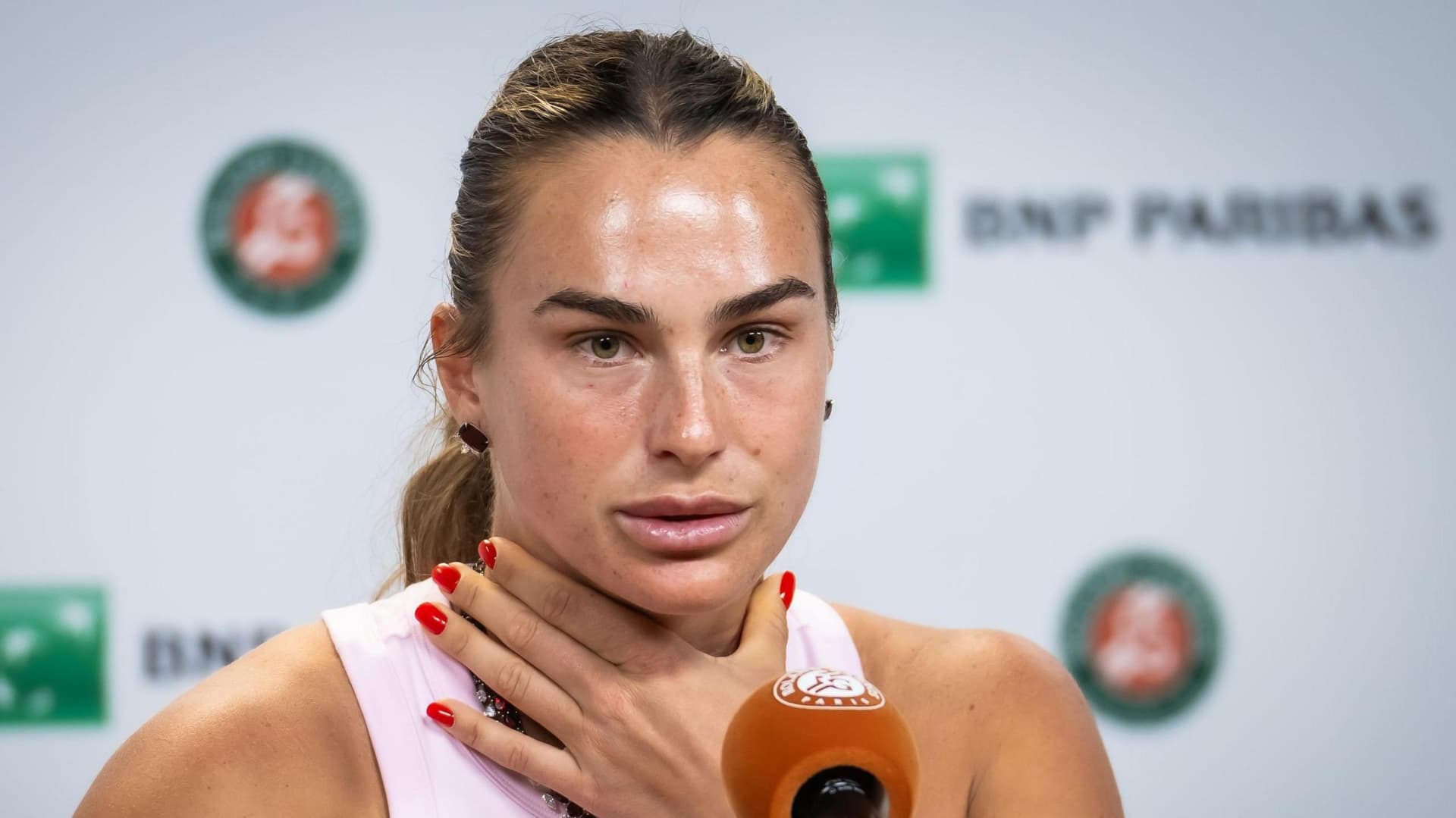
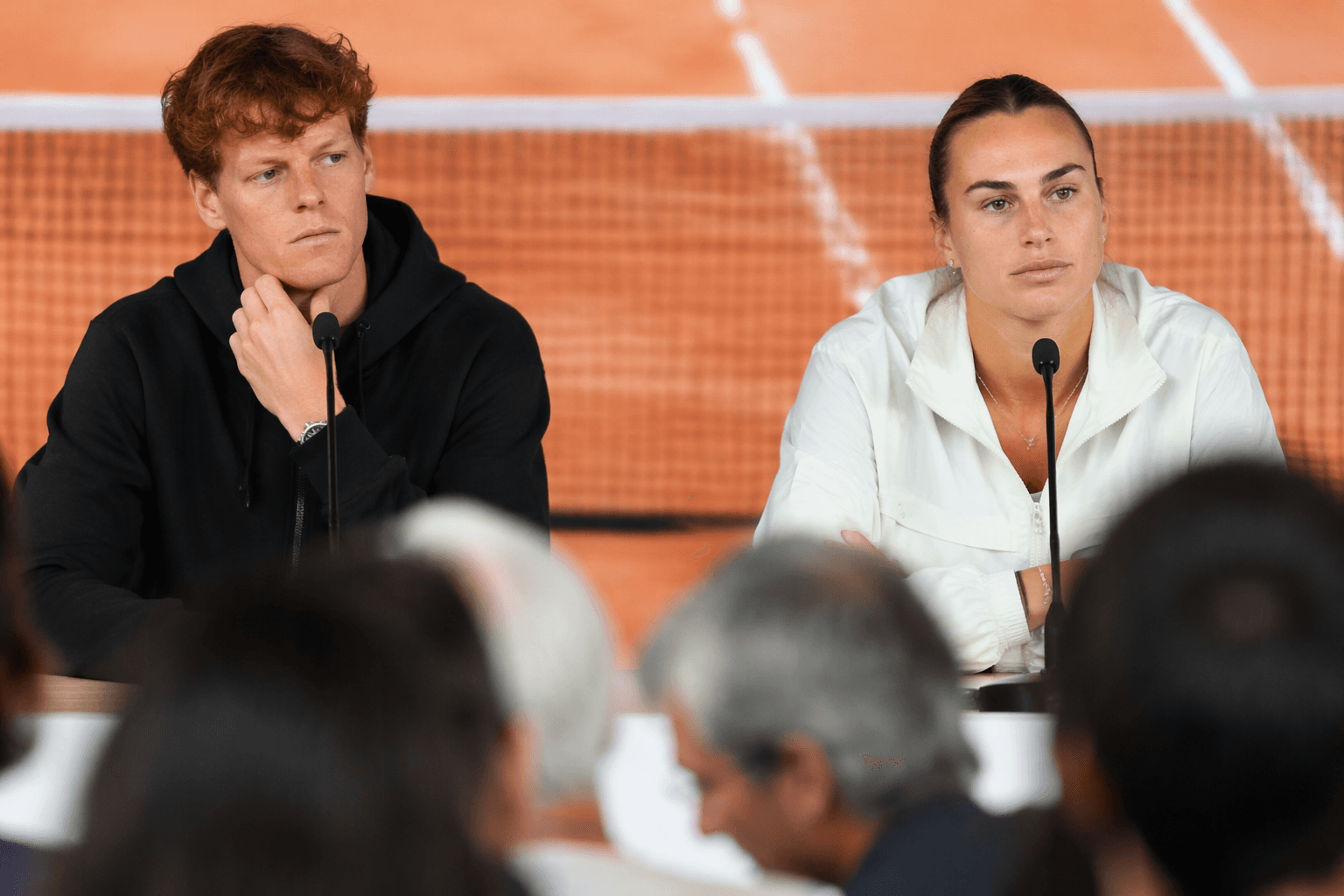
Aryna Sabalenka, Jannik Sinner and Iga Swiatek turned French Open media day into a labor protest, limiting themselves to 15 minutes with reporters as players pushed for a bigger slice of Grand Slam revenue and better benefits beyond prize money.
Sabalenka spent about five minutes with a host broadcaster and roughly 10 minutes with written reporters before ending her English-language session early. “15 minutes is better than zero,” she said. Sinner and Swiatek also followed the 15-minute cap, while Novak Djokovic did not join the media boycott but said he supported the players’ principle and has long argued for better conditions.
The protest was designed as a symbolic work-to-rule action, but the numbers behind it are serious. Players say Roland Garros leaves them with about 14.3% to 14.9% of tournament revenue, far below the 22% they want from all four Grand Slams and below the roughly 22% share they say is common at ATP and WTA 1000-level events. The timing was deliberate: 15 minutes of media work was meant to mirror the 15% revenue share players say they are receiving at the French Open.
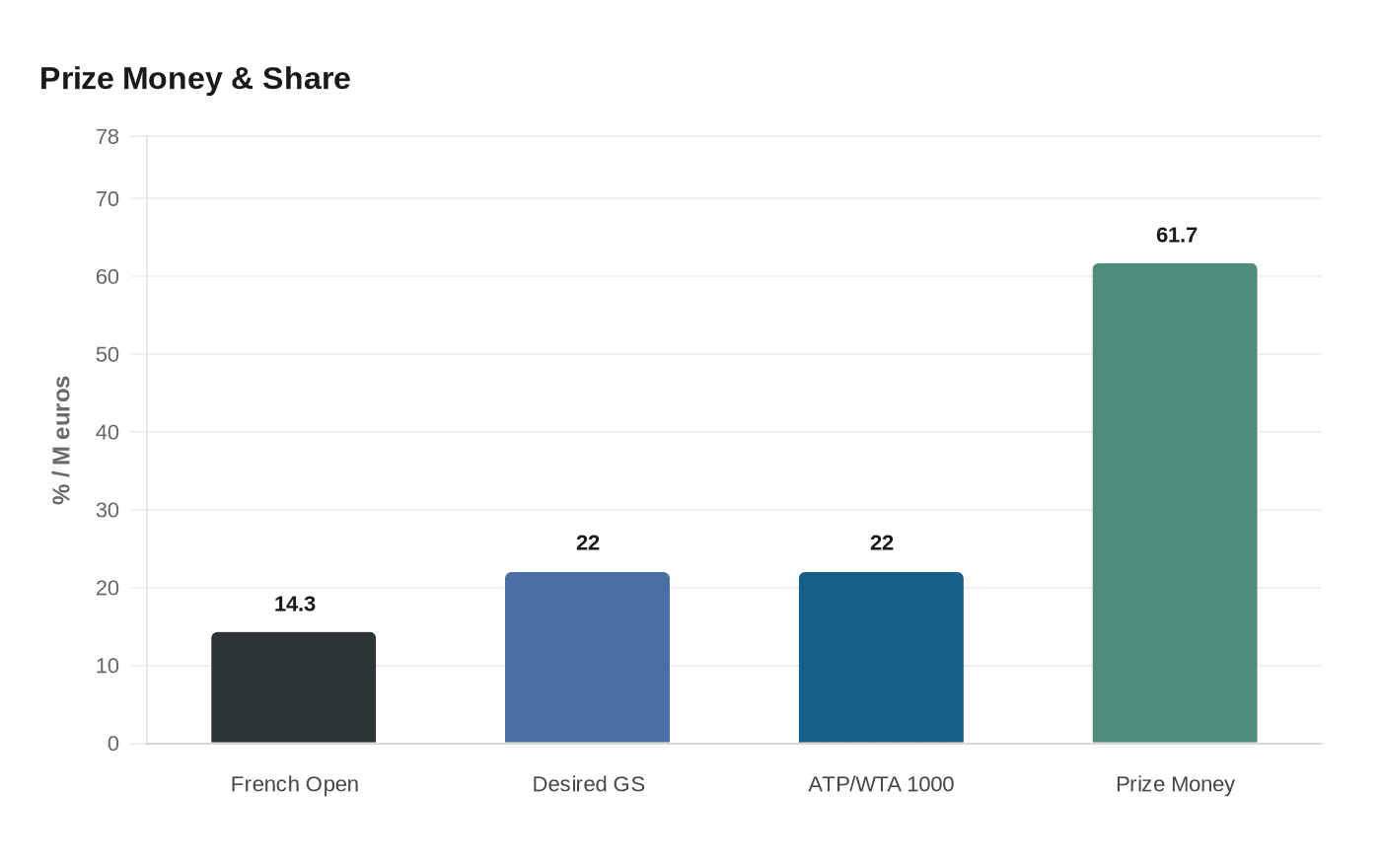
That dispute comes even as Roland Garros organizers raised total prize money by about 10% to 61.7 million euros, or $72.1 million, an increase of 5.3 million euros from last year. Players argue that the prize-money increase does not answer the larger question of who captures the commercial value of the sport’s biggest events, especially when the debate extends beyond top-earner checks to pensions, healthcare, maternity support, better representation and a greater role in decision-making.
The French Tennis Federation said it regretted the protest and said it had proposed a meeting with players and their representatives. It said the initiative penalized media, broadcasters, federation staff and the wider tennis community. Larry Scott was coordinating the player effort and was expected to meet FFT president Gilles Moretton and tournament director Amélie Mauresmo in Paris on Friday, with additional talks planned during the fortnight with representatives of Wimbledon’s All England Club and the United States Tennis Association.
The confrontation had already escalated earlier this month, when Sabalenka and Coco Gauff were among the leading players who threatened a Grand Slam boycott if compensation did not improve. The fight now centers on a basic economic question: as the majors keep generating more money, how much of that growth reaches the players who make the tournament product worth paying for.
Know something we missed? Have a correction or additional information?
Submit a Tip