Sonia Raman makes WNBA history as first head coach of Indian descent
Sonia Raman became the WNBA’s first head coach of Indian descent, turning Seattle’s hire into a test of who gets leadership in pro basketball.
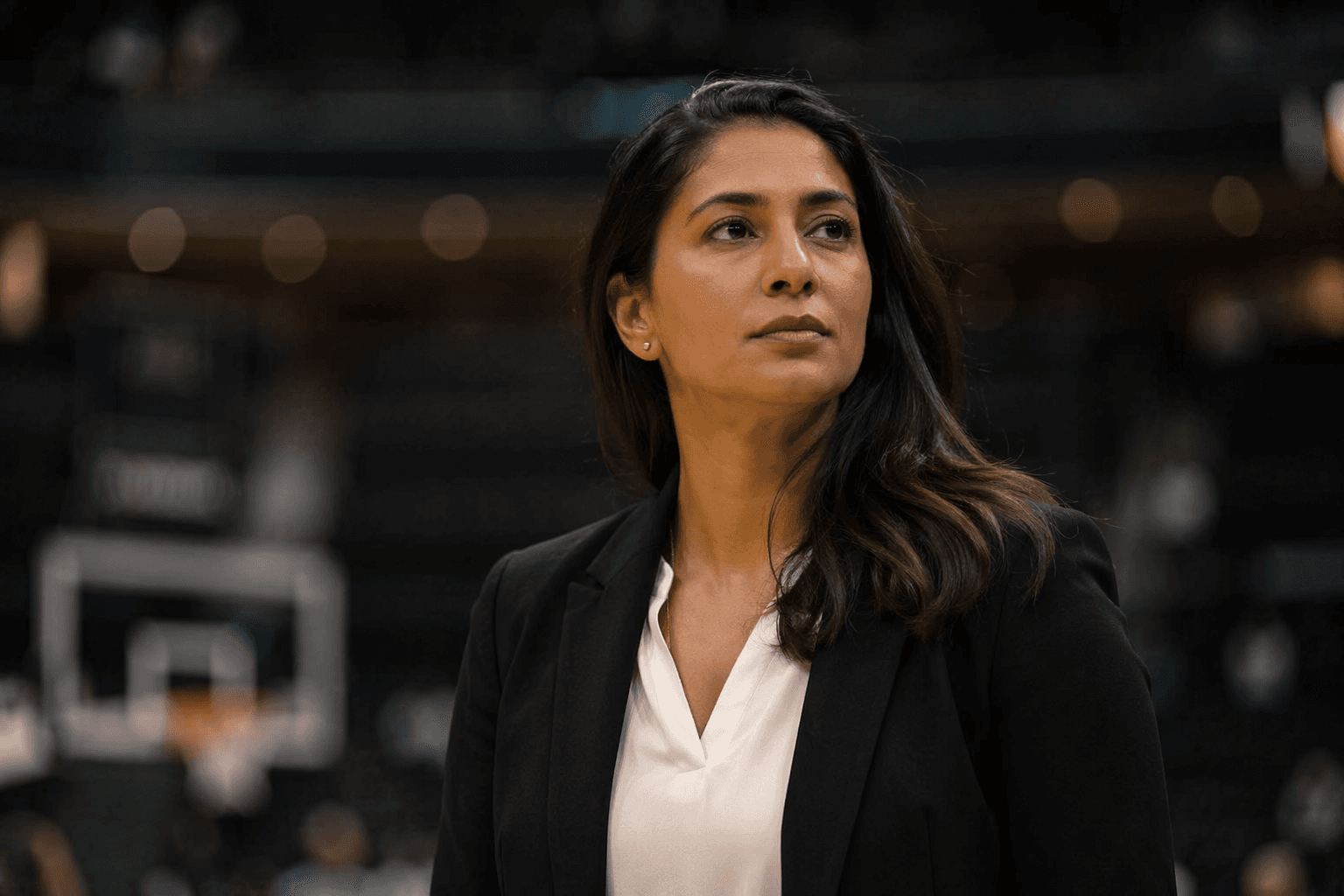
Sonia Raman made WNBA history when Seattle hired her as head coach on Oct. 28, 2025, making her the first person of Indian descent to lead a team in the league. The milestone reached beyond one sideline choice: it put the Storm’s coaching pipeline, and the league’s broader leadership pathways, under a sharper spotlight.
Raman described the moment as “a tremendous honor” when she spoke with Jonathan Vigliotti, but the significance of her promotion rested on more than symbolism. Seattle introduced her as a “trailblazer” and said her background in basketball analytics and strategy fit a franchise that wanted a new direction. General manager Talisa Rhea also pointed to Raman’s “diverse coaching experiences” and her emphasis on player development and connection as reasons she was the right choice to guide the Storm into its next era.
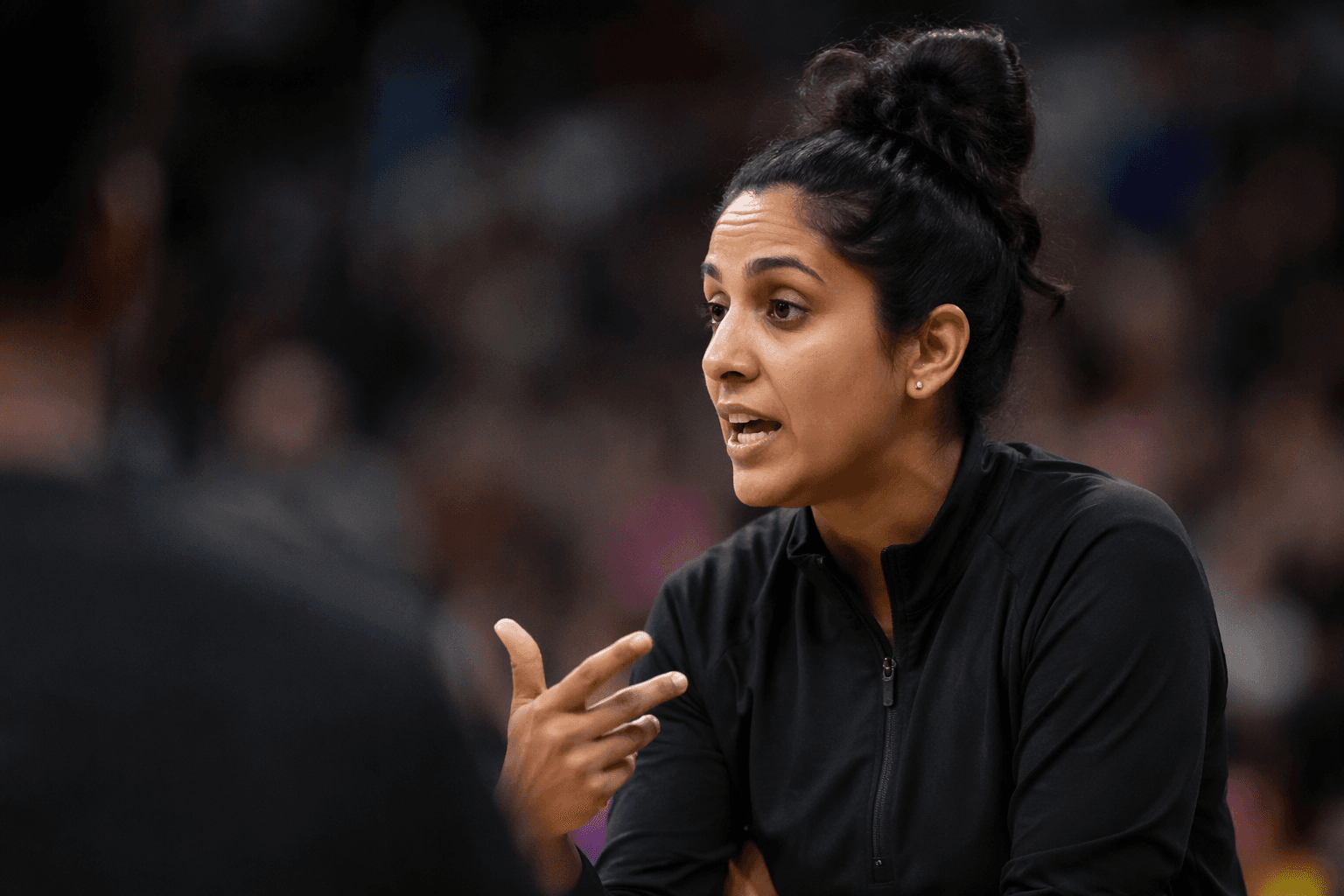
The hire also reflected a career built steadily rather than suddenly. Before Seattle, Raman spent the 2025 season as an assistant coach with the New York Liberty. Before that, she worked four seasons with the Memphis Grizzlies, where she became the first Indian American woman to serve as an NBA assistant coach. Her path also ran through the college game, where she coached MIT women’s basketball for more than a decade and turned the program into a perennial contender and the winningest in school history.
Raman’s background stretches back to Framingham, Massachusetts. She played four years at Tufts University and earned a Juris Doctor from Boston College in 2001, a route that underscored how unusual her ascent has been in a profession still shaped by narrow hiring networks. Seattle said the city held a special place in her heart and that she and her family were thrilled to return, adding a personal layer to a professional breakthrough.
The Storm entered the appointment as a franchise in transition, and the choice of Raman marked the team’s eighth head coach in its 25-year history. That kind of turnover is where structural questions become unavoidable: if a league is serious about expanding access to major-league leadership, the real measure is not only who breaks through, but whether the next openings go to a wider pool of candidates. Raman’s hiring suggested progress, but the lasting test will be whether it changes how teams identify, develop and trust future head coaches.
Know something we missed? Have a correction or additional information?
Submit a Tip