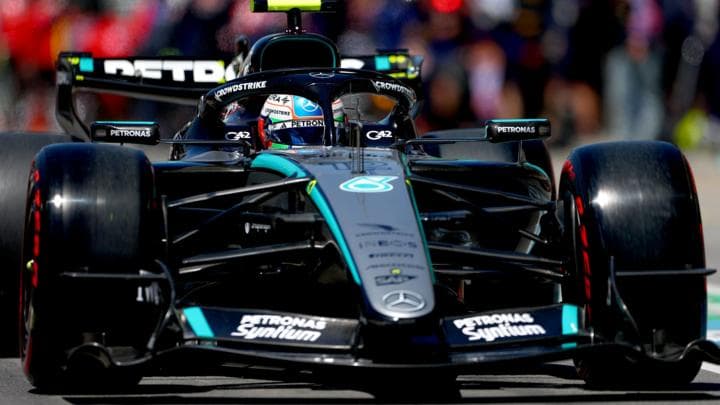
Verstappen sounds more likely to stay after Formula One engine change talks
A shift toward combustion-heavy engines for 2027 made Max Verstappen sound more open to staying in Formula One, even as the rule change still needed final ratification.
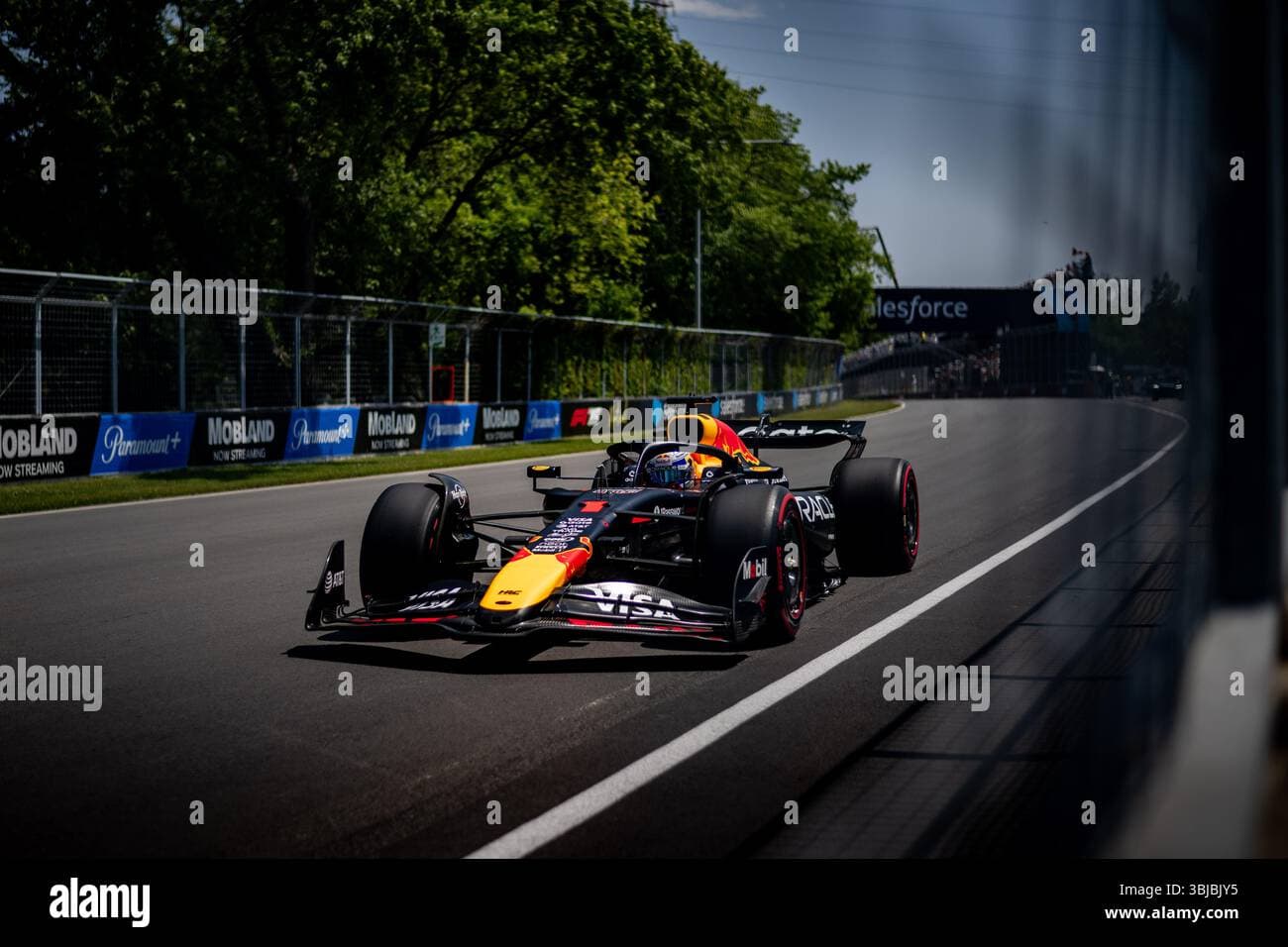
Max Verstappen’s tone in Montreal suggested Formula One may have given its biggest star a reason to stay. The four-time world champion said agreed changes to the 2027 engine rules had improved the odds that he would remain in the sport, a notable turn after he had recently cast doubt on his long-term future.
The timing matters. Verstappen spoke on May 21, 2026, ahead of the Canadian Grand Prix at Circuit Gilles Villeneuve, where the weekend also marked the first sprint-format event ever held at the track. At 28, the Dutch driver is not only one of the sport’s most decorated active racers, he is also one of the clearest tests of whether Formula One’s technical direction can keep elite talent engaged.
The proposed 2027 change moves Formula One away from the near-50-50 balance between combustion and electric power. Under the plan announced by the FIA on May 8, internal-combustion output would rise by 50kW and electric output would fall by the same amount, creating an approximately 60-40 split in favor of combustion. The FIA has said the goal is to make the cars more intuitive to drive and improve racing, a shift that could affect not just how the cars behave on track but how drivers, engineers and manufacturers judge the series’ future.

That makes the rule change bigger than one driver’s mood. Formula One’s manufacturers, including Mercedes, Honda, Ferrari and Audi, build strategy around the championship’s technical direction, and major rule resets can shape investment, staffing and long-term commitment. The 2027 package has not yet been formally ratified, and stakeholders still have engineering and regulatory work to complete, but the broad agreement already signals that the sport is trying to rebalance innovation with spectacle.
Verstappen’s comments also came after a bruising weekend elsewhere. He had just raced in the Nürburgring 24 Hours, where his team was in position to win before a mechanical failure ended the challenge. Other reports identified the problem as a driveshaft failure, turning a potential debut victory into unfinished business for a driver who said he wants to go back and win there.

For Formula One, the broader question now is whether the next rules cycle can do more than satisfy engineers. If the 2027 engine formula produces cars that are easier to drive, more competitive to watch and more attractive to its leading names, it could help stabilize the championship’s balance of power for years. If it does not, the same technical decisions meant to secure the future could keep forcing the sport to ask who, exactly, wants to stay.
Know something we missed? Have a correction or additional information?
Submit a Tip