Sabastian Sawe breaks marathon barrier with historic London victory
Sabastian Sawe ran 1:59:30 in London, becoming the first athlete to break two hours in official race conditions and resetting the record book.
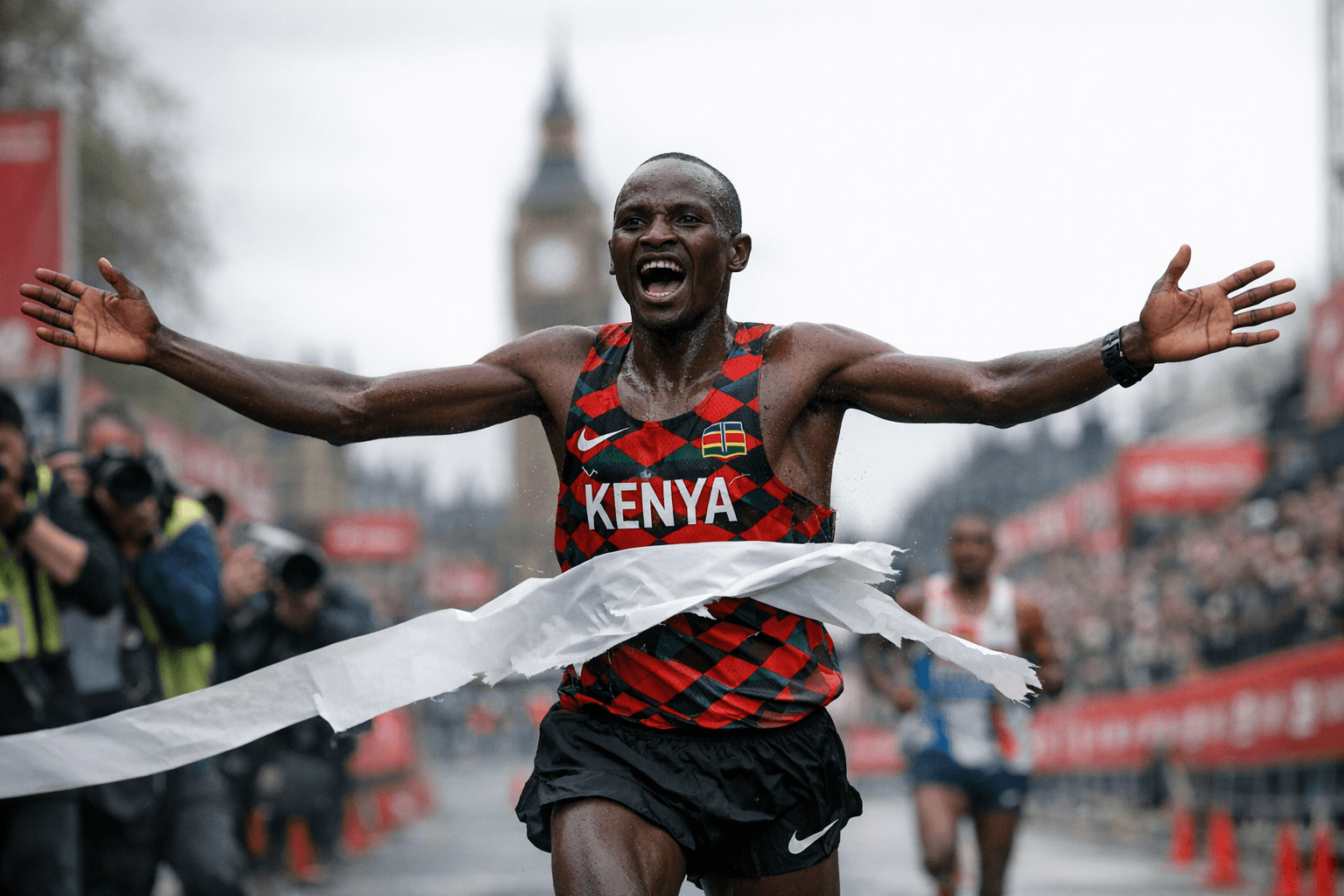
Sabastian Sawe turned the London Marathon into a line the sport had never crossed before. He won in 1:59:30, becoming the first person to run a marathon under two hours in official competitive race conditions and wiping out the previous men’s world record of 2:00:35 set by Kelvin Kiptum in Chicago in 2023.
The result mattered because it was not a staged exhibition like Eliud Kipchoge’s 1:59:40.2 in Vienna in 2019. Sawe’s performance came in a full championship setting, with rivals pressing him through the race and the record subject to the same conditions that govern every other official marathon. That is what makes the time a watershed: it moved the sub-two-hour barrier from controlled demonstration into the record books.
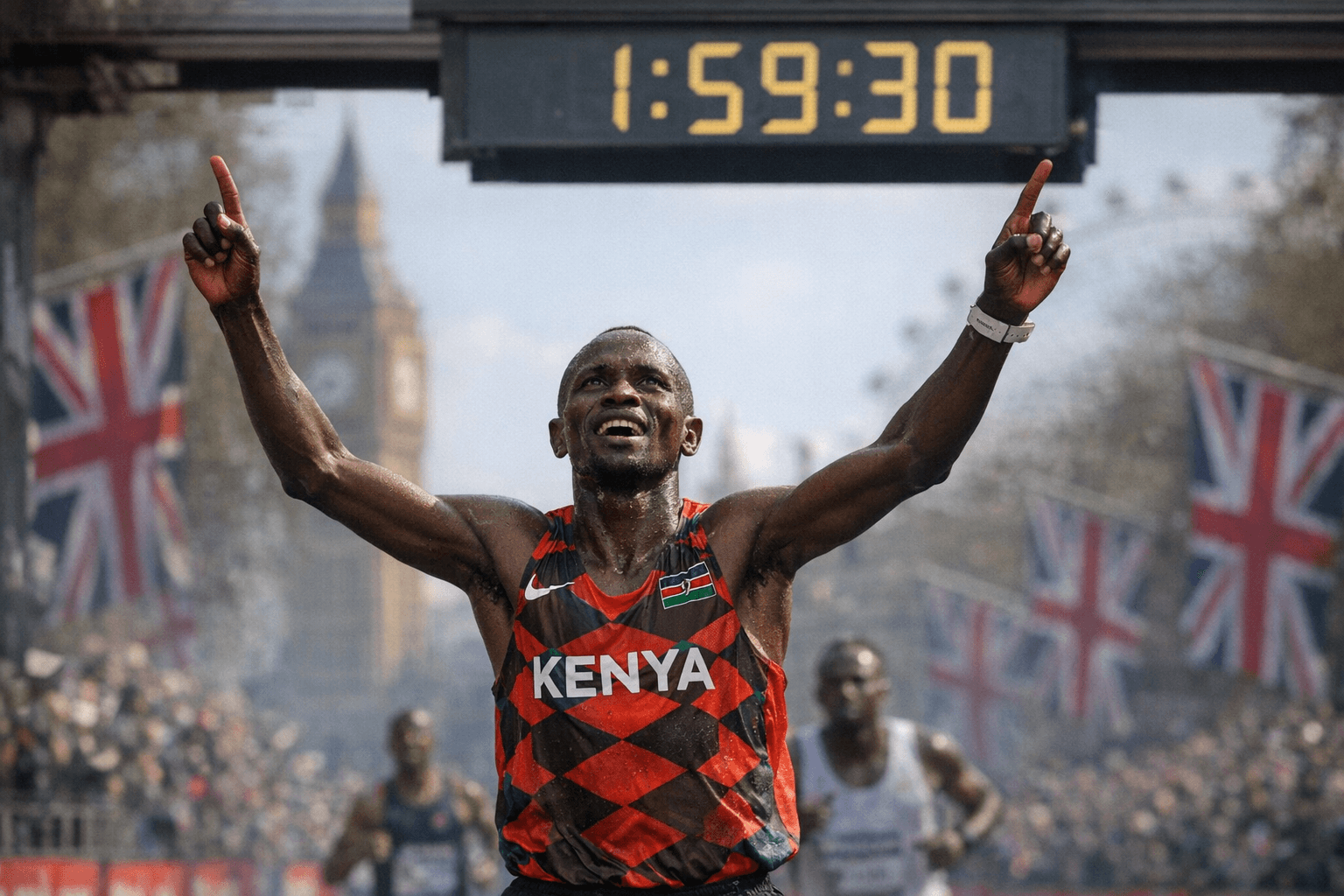
Sawe did not win by fading in the final stretch. He led a group of six through the half-way mark in 1:00:29, then pulled clear with Ethiopia’s Yomif Kejelcha before kicking away in the closing stages. Kejelcha finished second in 1:59:41, just 11 seconds behind, and Uganda’s Jacob Kiplimo took third in 2:00:28, also inside Kiptum’s previous mark. Near-perfect conditions in London helped, but the manner of the victory suggested an athlete capable of sustaining unprecedented speed without the artificial scaffolding that defined earlier sub-two attempts.
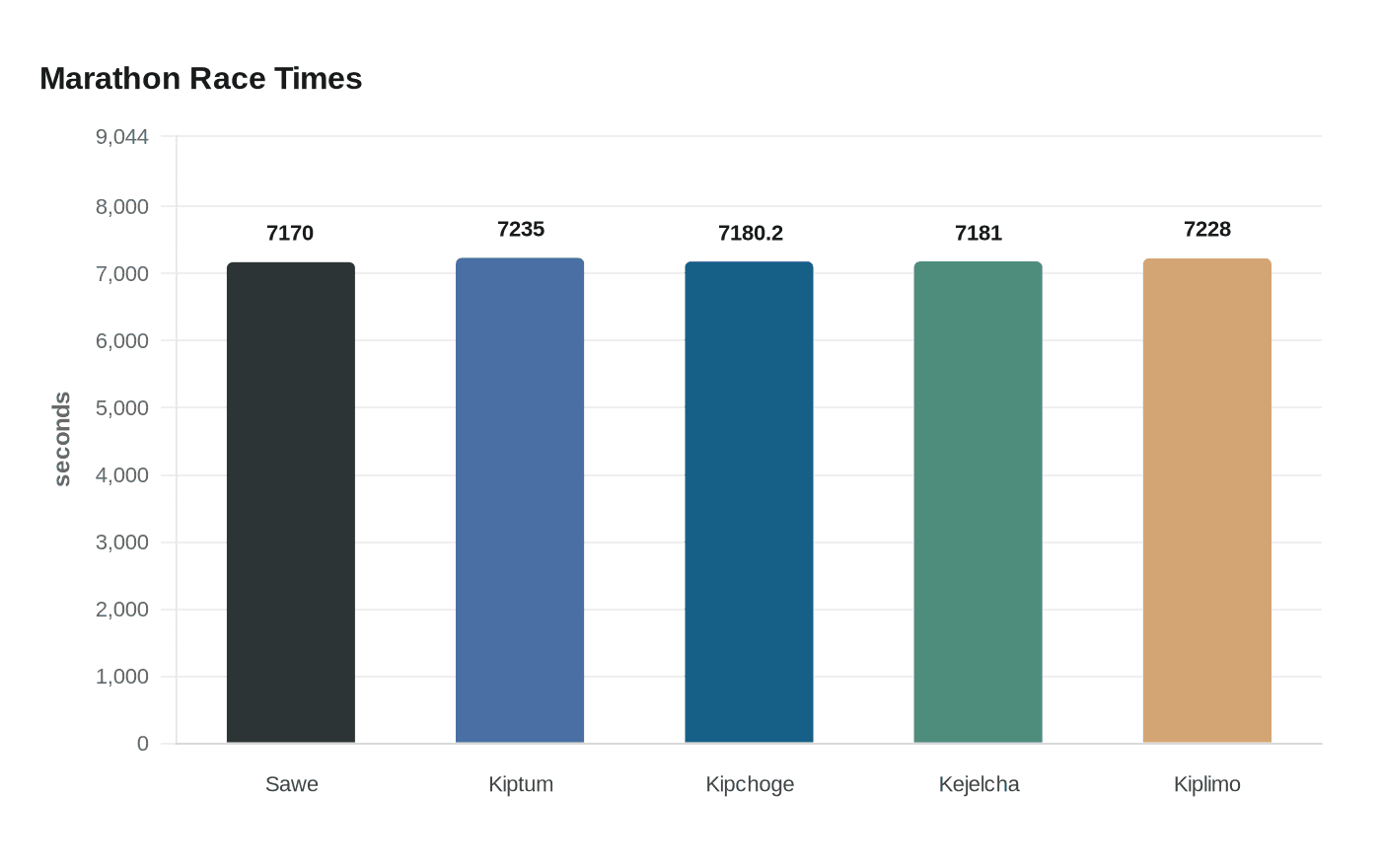
For Sawe, the London triumph extended a flawless marathon record. He won on his debut in Valencia in 2024 in 2:02:05, returned to London last year and won in 2:02:27, then followed that with a 2:02:16 victory in Berlin. Three starts, three wins, and now the most consequential one yet: a run that forced a reset of what counts as possible in the open marathon.
The race arrived at a fitting stage for the sport. London was holding its 46th edition, the third World Marathon Major of 2026, with 59,000 runners entered. Last year’s event produced 56,640 finishers, then a record for the largest finish field. Sawe’s victory did more than add another London champion. It raised the bar for what a normal race can produce, and it left the marathon community weighing whether this was a singular breakthrough, a sign of technological gains, or the opening of a new era in endurance running.
Know something we missed? Have a correction or additional information?
Submit a Tip