2026 NFL Draft grades reveal winners, losers, and biggest steals
The draft exposed a clear split: some teams built around structural fixes, while others spent premium capital to buy time.
A faster clock forced sharper bets
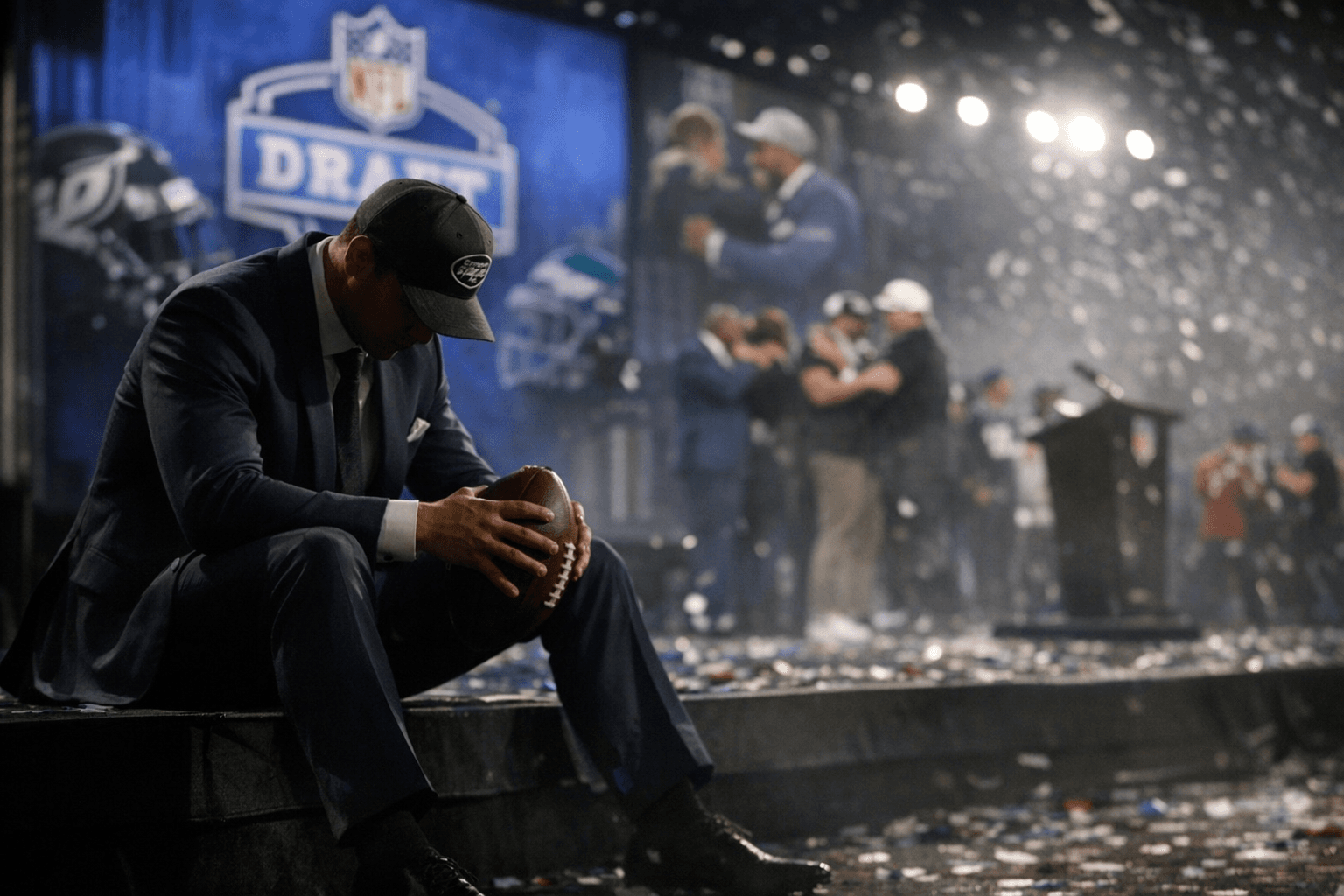
The 2026 NFL Draft felt compressed from the start, and that mattered. The league shortened the first-round clock from 10 minutes to eight minutes for the first time since 2008, then staged all 257 picks over April 23-25 in Pittsburgh around Acrisure Stadium and Point State Park, a setup that helped turn the weekend into a test of roster-building speed as much as talent evaluation. Mel Kiper Jr. captured the mood when he called the class “not short on excitement,” and CBS Sports’ final report cards after the last pick reflected the same broad urge to sort real strategy from cosmetic splash.
The clearest winners changed how they build
The teams that earned the strongest grades did more than add names. They used the draft to reshape their identity, with Cleveland standing out as the clearest example of a front office willing to attack depth and uncertainty at the same time. The Browns came out of the weekend with Spencer Fano and KC Concepcion in Round 1, then added Denzel Boston, Emmanuel McNeil-Warren, Austin Barber, and finally Arkansas quarterback Taylen Green, which left them with a crowded quarterback room and an unmistakable bet on competition rather than comfort. ESPN noted that Green joined a room already featuring Shedeur Sanders, Deshaun Watson, and Dillon Gabriel, and that Cleveland became the first team in 15 years to take three signal-callers across a two-draft span.
The Jets also signaled a real philosophical shift. They used three first-round picks on edge rusher David Bailey at No. 2, tight end Kenyon Sadiq at No. 16, and wide receiver Omar Cooper Jr. at No. 30, all of them players who can matter quickly on a roster that finished 3-14 and generated only 26 sacks in 2025. ESPN said those picks should produce immediate contributors, which is the right lens here: this was not a patient rebuild, it was a push to repair a defense and give the offense more playable pieces right away.
Philadelphia and Dallas took different routes, but both showed clearer long-term planning than many of their peers. The Eagles moved up for USC receiver Makai Lemon with an eye on A.J. Brown’s expected departure, a sign they were addressing a future roster cliff before it hits. The Cowboys traded up for Ohio State safety Caleb Downs at No. 11 and then moved back before taking UCF edge rusher Malachi Lawrence at No. 23, giving them two first-round defensive players for the first time since 2005, when they selected DeMarcus Ware and Marcus Spears.
The teams that papered over weaknesses
The more skeptical grades clustered around teams that spent premium picks without fully solving the problem in front of them. Arizona is the cleanest example. Kiper loved running back Jeremiyah Love as a player, but he also questioned the value of taking a top-five back when the roster is not built to contend without quarterback certainty, and CBS later dinged the Cardinals for the Carson Beck pick at No. 65 as too early. That is the draft equivalent of buying a luxury item while the foundation still needs work: it can make the offense more explosive, but it does not settle the harder question of how the team closes the gap on real contenders.
The Rams created the loudest debate of the weekend when they took Ty Simpson at No. 13. Kiper said he could not “wrap my brain around that one,” while ESPN’s Rams analysis made clear that Simpson is the likely successor to Matthew Stafford, who is 38 and entering his 18th season, but also noted Sean McVay’s insistence that “This is Matthew’s team.” That makes the selection a succession bet, not an answer to the present, and it explains why some evaluators saw the move as expensive insurance rather than a clean roster win.
San Francisco and Carolina drew similar criticism for leaning on projection where value should have mattered more. The Panthers took Monroe Freeling in Round 1 even though Ikem Ekwonu and Rasheed Walker already give them a workable left-side tackle picture, while the 49ers were repeatedly tagged as reaching for their guys and then spending Day 3 on size, including three trench players and a linebacker with 35-inch arms. That is the sort of draft that can look sturdy on paper and still leave the same unanswered questions on Sundays.
Biggest steals came from late value, not splash
The sharpest value picks were not necessarily the loudest names. Baltimore earned praise for getting Elijah Sarratt in the fourth round and Chandler Rivers in the fifth, two picks Cleveland called outstanding value that lifted the Ravens’ grade, while Atlanta got a nice steal in sixth-round linebacker Harold Perkins Jr. The lesson is simple: when the board thins out, teams with discipline can still land starters or rotation players without paying premium capital for the privilege.
That same idea explains why the board remained interesting even as the draft moved into its final rounds. ESPN’s best-available tracker still listed players such as Zxavian Harris, Deontae Lawson, J’Mari Taylor, Isaiah World, and Jermod McCoy, while Yahoo Sports noted that Garrett Nussmeier, Elijah Sarratt, and Keith Abney II were still among the notable names on the board heading into the late rounds. In other words, the 2026 class was deep enough that smart teams could still find real football value after the spotlight had moved on.
Pittsburgh made the draft feel bigger than the picks
The host city mattered here. Steelers.com framed Pittsburgh’s first time hosting the three-day event since 1948 as a “smashing success,” Art Rooney II thanked everyone involved for making the draft an “incredible success,” and the team said fans turned out in record numbers. Bob Labriola’s Day 3 column tied the event to the city’s football identity and the Steelers’ new Omar Khan-Mike McCarthy era, which gave the weekend a civic weight that extended beyond roster grades.
That is the real takeaway from the grades. The best classes were not just the ones with bright headlines, but the ones that showed a coherent plan: Cleveland and New York stockpiled help, Philadelphia and Dallas anticipated future pressure points, Baltimore harvested value, and Pittsburgh itself turned the draft into a city-scale event. The clubs that got pushed down the board by criticism did so because they spent like they were one player away when their structures still need far more work.
This article was produced by Prism’s automated news system from verified source data, official records, and press releases, then run through automated quality and moderation checks before publishing. The system is built and supervised by the people who set the standards it runs under. Read our full AI policy.
Did this article answer your question?

.jpg&w=1920&q=75)
