SAG-AFTRA Reaches Tentative Deal With Studios, Avoiding New Strike
SAG-AFTRA's tentative four-year studio deal adds AI and pension protections, averting another strike before the current contract's June 30 expiry.
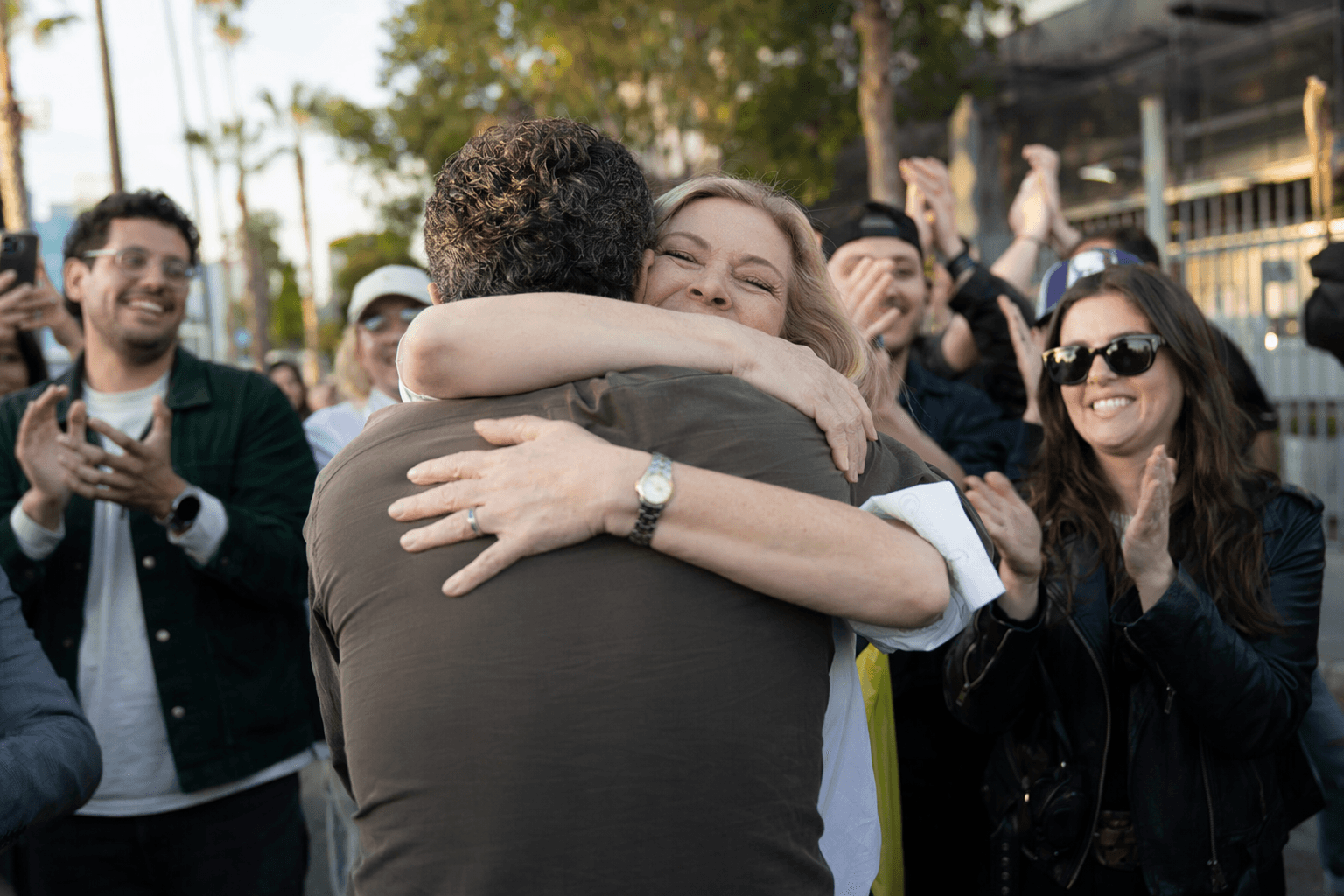
SAG-AFTRA and the studios have reached a tentative agreement that adds AI protections, extends the contract four years and increases the guild’s pension-fund contribution, a sign that Hollywood’s labor fight has moved squarely into the economics of streaming and synthetic performers.
The pact covers motion pictures, scripted primetime dramatic television, streaming content and new media, and it still has to clear SAG-AFTRA’s National Board before going to the union’s roughly 160,000 members for ratification. The current contract does not expire until June 30, but the deal closes a bargaining cycle that began on Feb. 9, paused on March 15 to make way for the Writers Guild of America agreement, resumed on April 27 and wrapped on May 2.
The narrow details have not been fully released, but the outline points to the same pressure points that defined the 2023 strike: generative AI, streaming residuals and performer protections. SAG-AFTRA won consent-and-compensation rules for digital replicas in 2023, along with new streaming participation bonuses. This new agreement appears to deepen those gains rather than abandon them, with a larger pension contribution and additional safeguards around AI use in performer likenesses.
That matters because the last strike was not a minor disruption. SAG-AFTRA’s 2023 walkout lasted 118 days and became the longest actors’ strike in Hollywood history. Studios were forced to confront how quickly digital replicas, virtual production and algorithmic distribution were changing the value of a screen performance. The tentative settlement suggests those issues are no longer side questions. They are now central terms in the price of making movies and television.
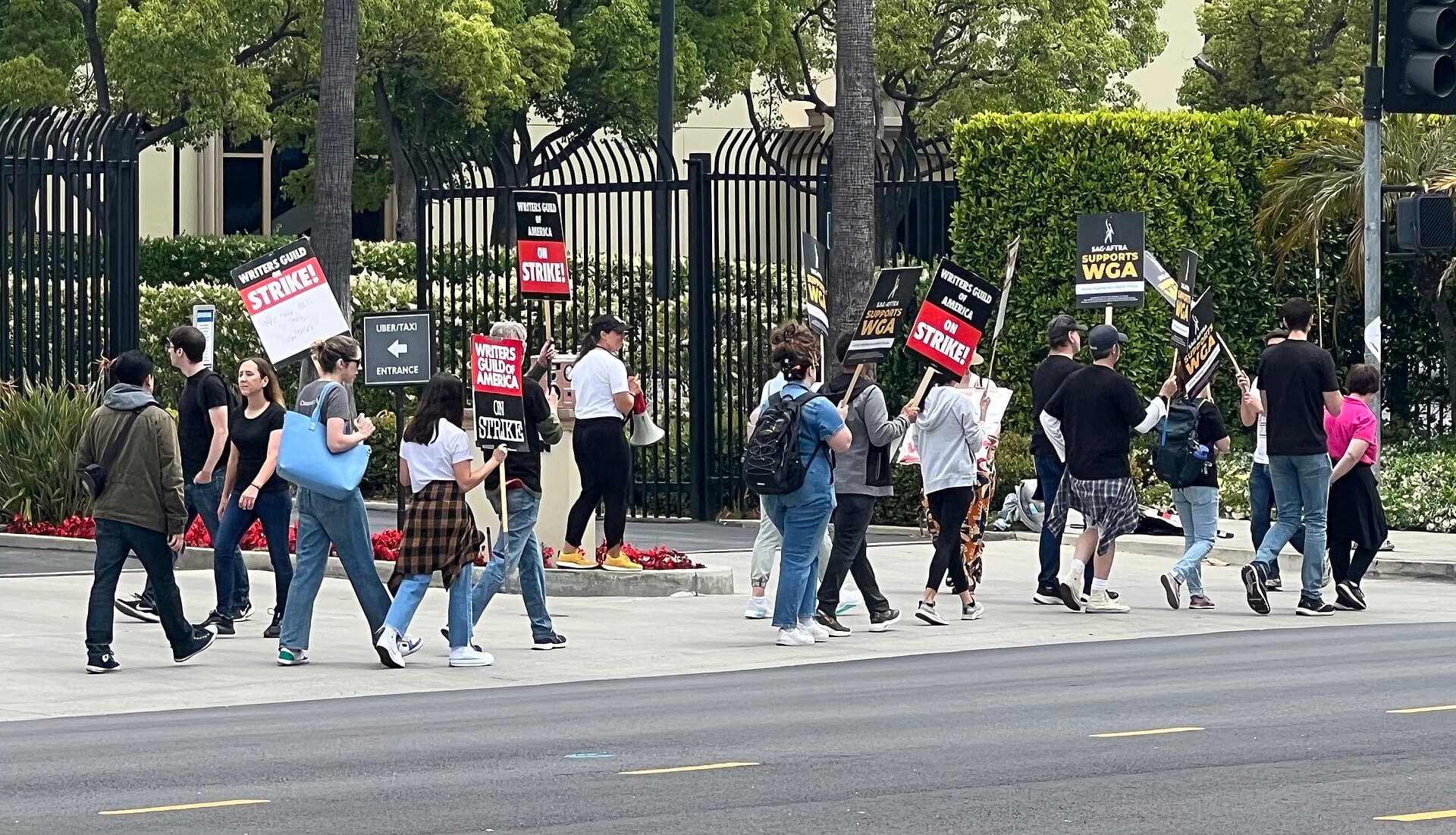
For performers, the likely beneficiaries are working actors whose pay depends on residuals, health and pension contributions, and guardrails that prevent their images from being reused without compensation. For studios, the benefit is shorter and more immediate: averted shutdown, fewer production delays and a chance to stabilize business after two years of labor turmoil. The Writers Guild of America ratified its own four-year deal on April 24, including a $321 million health-fund infusion, and the Directors Guild of America is scheduled to begin negotiations on May 11.
Whether this becomes a true reset of bargaining power will depend on the final language and the membership vote. For now, it looks less like a wholesale rewrite of Hollywood labor economics than a hard-won truce that locks in AI and streaming rules before the next round of negotiations begins.
This article was produced by Prism’s automated news system from verified source data, official records, and press releases, then run through automated quality and moderation checks before publishing. The system is built and supervised by the people who set the standards it runs under. Read our full AI policy.
Did this article answer your question?