Samsung plans $647 billion investment in South Korea over 10 years
Samsung is set to unveil a 1,000 trillion won investment plan, with as much as 300 trillion won aimed at chip plants in South Korea’s southwest.
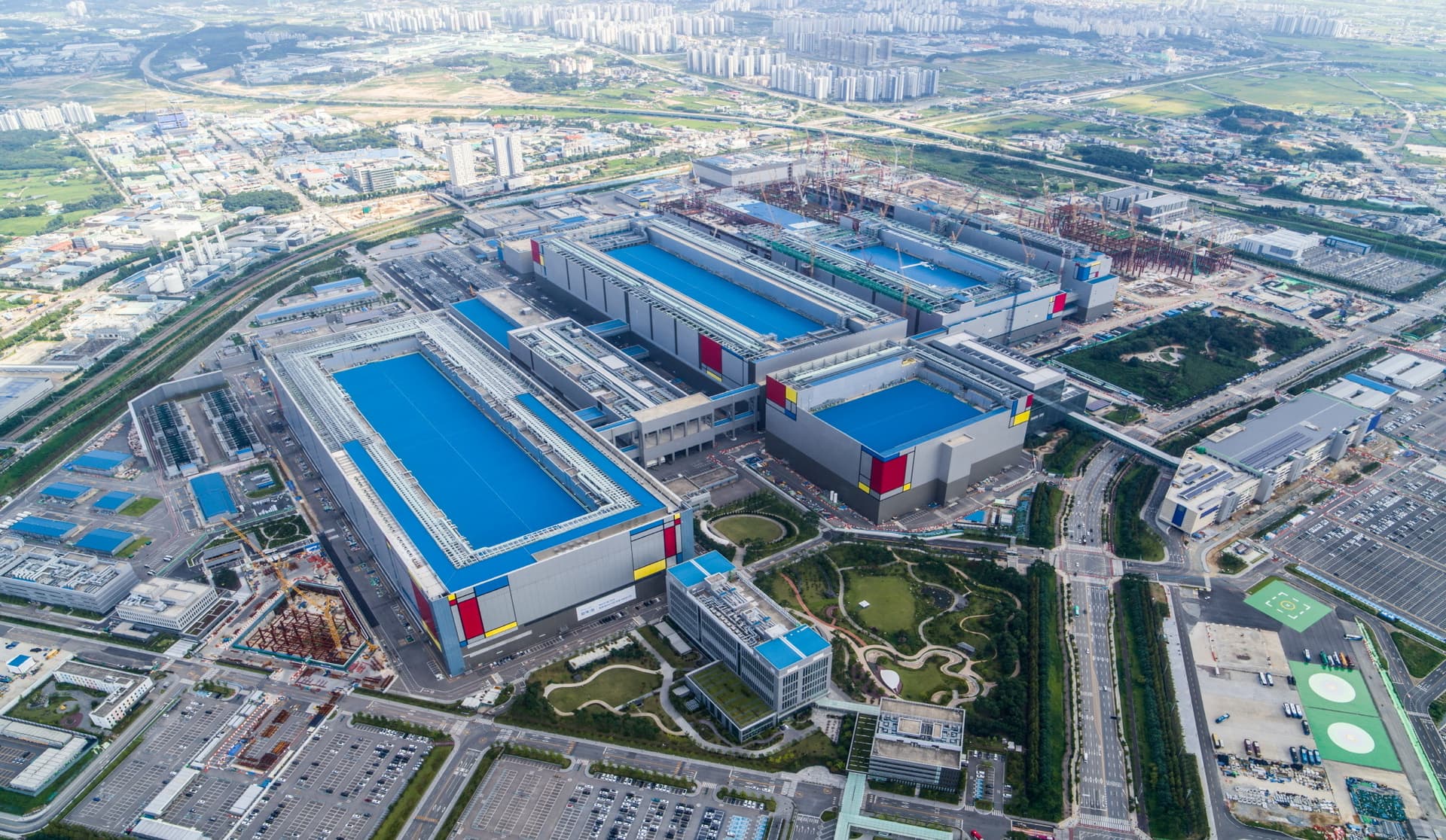
Samsung Group is preparing to unveil a 1,000 trillion won, or $647.53 billion, investment program in South Korea over the next 10 years, a scale that would make it one of the country’s biggest industrial wagers in memory. The plan is expected to be announced at the presidential office on June 29, when Samsung executives are due to meet President Lee Jae Myung.
The headline figure points to far more than routine capital spending. Up to 300 trillion won could go into chip factories in the southwest of the country, signaling that Samsung may be shifting at least part of its manufacturing footprint beyond the Seoul area. That matters because South Korea has been pressing its largest companies to help spread advanced industry more evenly across the country, rather than concentrating jobs, suppliers and tax revenues around the capital region.
The timing also fits Lee’s broader industrial agenda. South Korean reporting has said the president has been preparing a regional growth strategy built around artificial intelligence, semiconductors and balanced national development, with major conglomerates expected at a public briefing tied to those plans. Executives from Samsung Electronics and SK Hynix are also expected at the June 29 meeting, underscoring how the government is treating chip investment as a national-policy issue, not just a private corporate decision.
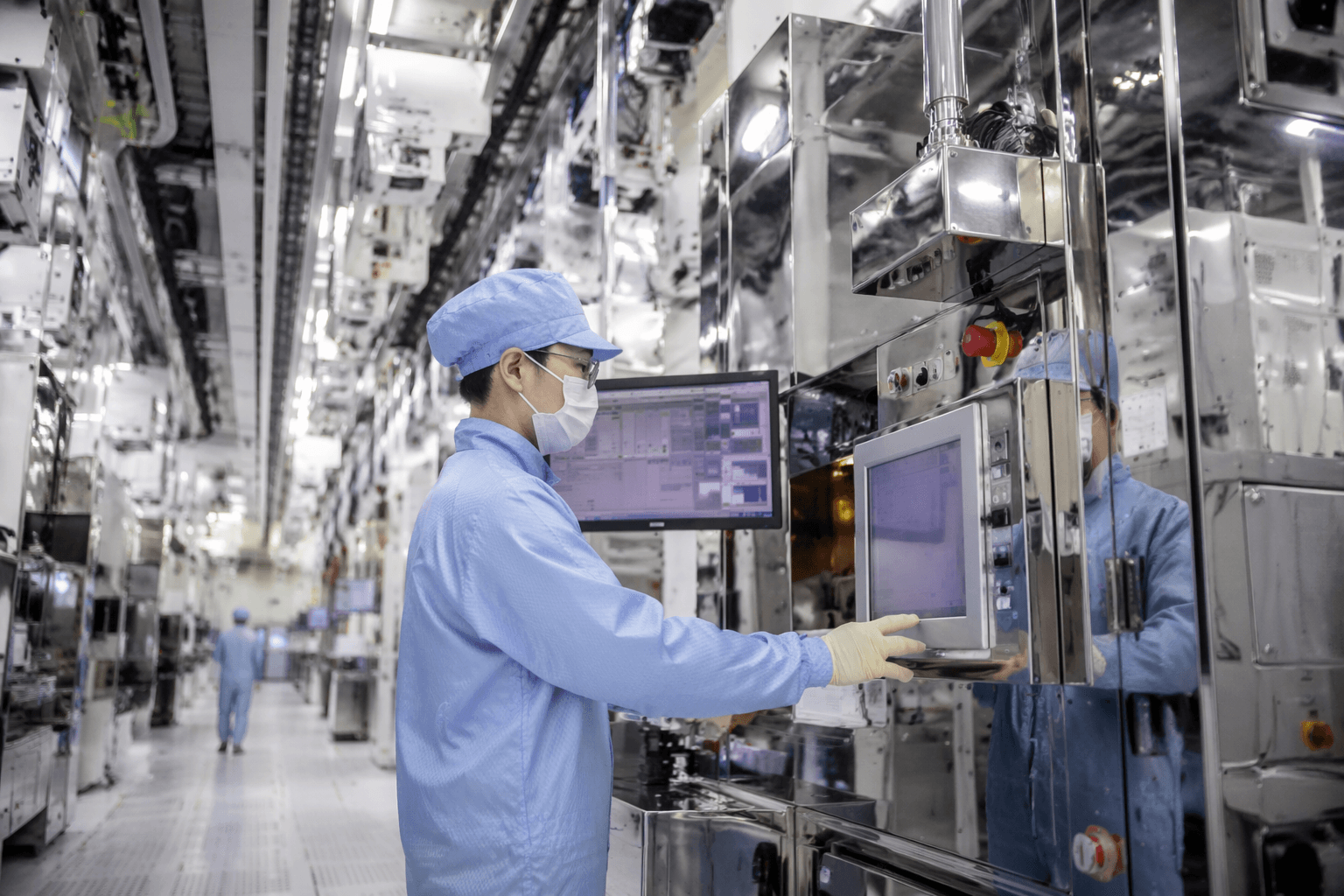
For Seoul, the appeal is obvious. Semiconductors remain central to South Korea’s exports, its technology base and its leverage in an AI-driven global supply chain. Samsung’s proposed spending would support fabrication capacity for memory and other advanced chips, while also strengthening the country’s position as Washington and Beijing compete to shape the future of chipmaking, packaging and AI hardware. Korean media said the investment would be Samsung’s largest ever announced and roughly equal to half of South Korea’s GDP, a reminder of how unusually large the commitment would be even for a conglomerate of Samsung’s size.
There is also a regional angle already taking shape in Gwangju. Reuters reported on June 9 that Samsung Electronics was considering an advanced semiconductor packaging facility in the southwestern city, reinforcing the idea that the southwest could absorb a large share of the new spending. If Samsung follows through, the program would be more than a balance-sheet story: it would be a test of how far South Korea can use one champion company to deepen domestic supply chains, broaden regional growth and anchor its own version of the subsidy race now under way in the United States and China.
This article was produced by Prism’s automated news system from verified source data, official records, and press releases, then run through automated quality and moderation checks before publishing. The system is built and supervised by the people who set the standards it runs under. Read our full AI policy.
Did this article answer your question?

