Samsung says RAM and material costs drove higher Galaxy S26 prices
Samsung confirmed higher RAM and raw-material costs raised Galaxy S26 and S26 Plus prices, leaving buyers paying more for modest upgrades.
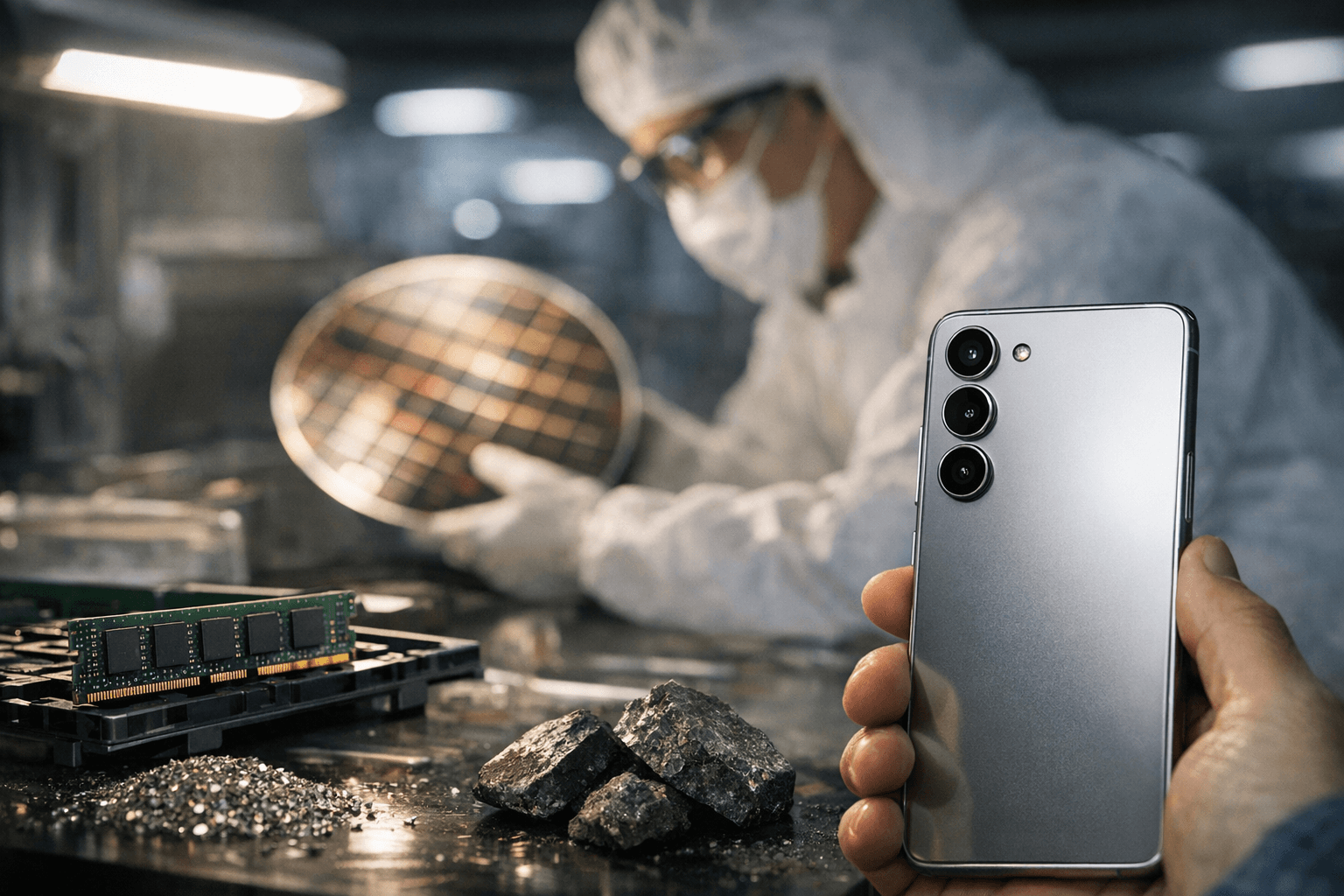
Samsung confirmed that higher RAM and raw-material costs helped push the price of the Galaxy S26 and S26 Plus upward, a rare admission that shifts scrutiny from marketing to supply chains as the immediate reason buyers are paying more for modest hardware changes.
My colleague Allison Johnson described the new S26 models this week as "more of the same for more money." Samsung's Won-Joon Choi, chief operating officer of its mobile business, acknowledged that component cost pressure was a material factor in the company’s pricing decisions, framing the issue as an industry-level cost reality rather than a single-product strategy.
The acknowledgement matters because smartphone makers rarely attribute retail pricing to individual components. By naming RAM and other materials as drivers, Samsung is giving consumers and investors an operational explanation for higher launch prices at a moment when handset upgrades are slowing and buyers are more price-sensitive. Samsung did not provide a line-item accounting of costs, but the statement signals that rising parts costs and supply-chain shifts are bleeding into consumer prices across the sector.
For consumers the effect is straightforward: flagship refreshes that once relied on incremental improvements to cameras, screens and processors are now absorbing higher per-unit bills for memory and inputs. That increases the pressure on buyers to weigh the value of modest performance gains against a higher sticker price. For Samsung, the move illustrates a trade-off between preserving profit margins and keeping entry pricing stable for its flagship lineup.
The industrial implications are broader. Memory, silicon packaging and specialty materials account for a significant slice of a high-end smartphone's bill of materials, and manufacturers are revising component allocations as they design phones to run more demanding software tasks on-device. When a company openly ties pricing to those inputs, it signals to suppliers and investors that contract negotiations, supply diversification and inventory strategies may become focal points in the coming quarters.
The market response will be important to watch. If buyers balk, Samsung and other manufacturers may have to shift strategy: introduce fewer high-RAM SKUs at launch, lean harder on software differentiation, or accept narrower margins on flagship models. Conversely, persistent price increases could accelerate alternate buy-and-upgrade behaviors, including longer replacement cycles and a greater focus on trade-in programs or installment plans.
There are also innovation and sustainability angles. Higher component demand can steer research toward more efficient memory architectures and software optimizations that reduce RAM reliance. It can also intensify scrutiny of material sourcing and recycling as companies try to manage costs and regulatory pressure on raw-material supply chains.
Samsung’s forthright explanation reframes the conversation about who pays for new mobile features. Rather than a marketing choice alone, the higher S26 price reflects a complex set of supply-cost pressures that directly affect consumers’ wallets and the strategic choices phone makers will make in the next generation of devices.
This article was produced by Prism’s automated news system from verified source data, official records, and press releases, then run through automated quality and moderation checks before publishing. The system is built and supervised by the people who set the standards it runs under. Read our full AI policy.
Did this article answer your question?