San Francisco cites 42% drop in traffic deaths after safety push
City officials celebrated a reported 42% drop in traffic fatalities and credited expanded safety measures; advocates say continued investment is needed to protect residents.
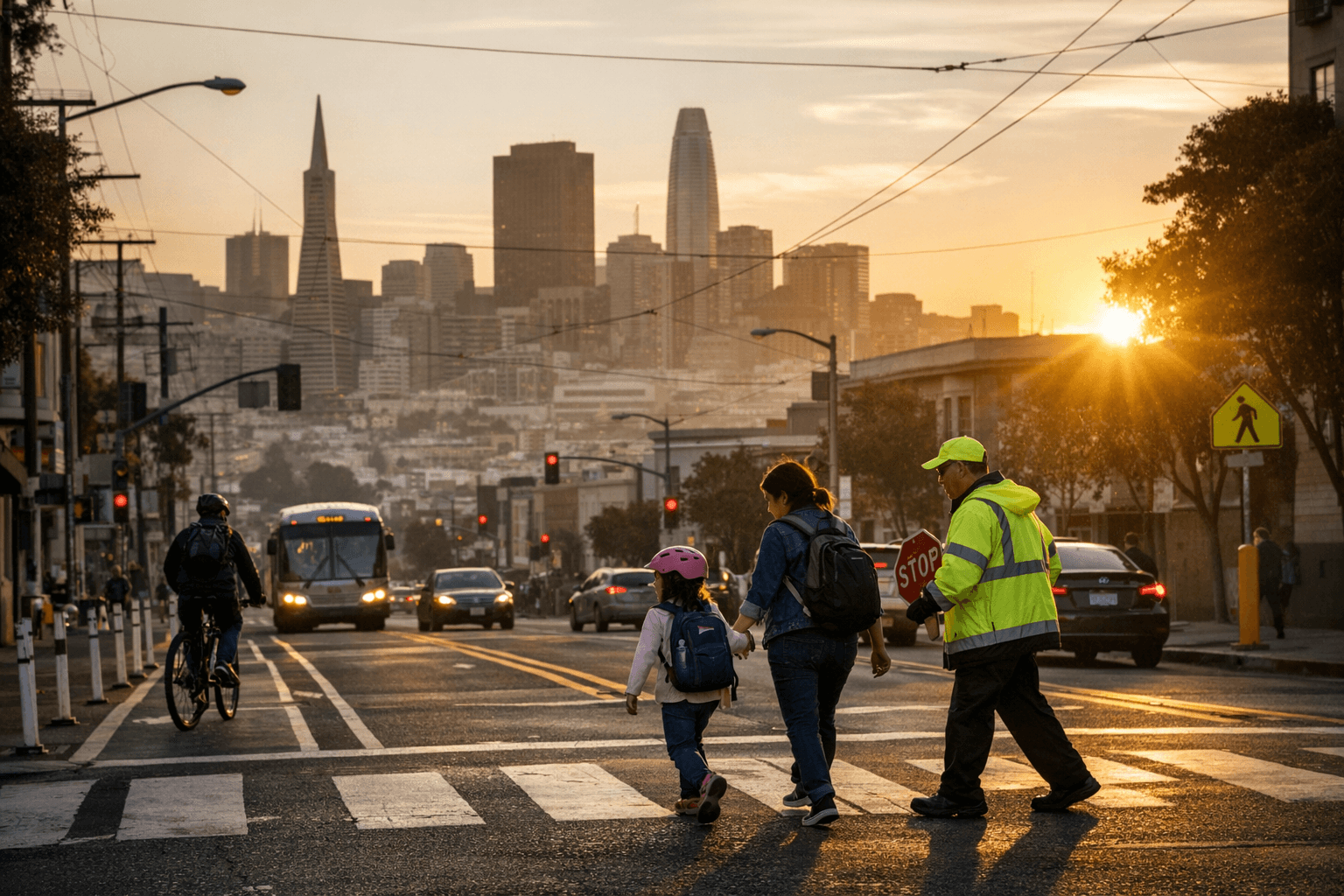
San Francisco officials and street-safety advocates celebrated a reported 42% decline in traffic fatalities for the prior year, attributing the drop to an expansion of enforcement and engineering measures across the city. Leaders pointed to speed cameras at dozens of locations, daylighting projects, speed humps and a data-driven focus on the city’s High Injury Network as central to the improvement, anchored by a new citywide street-safety initiative launched by Mayor Daniel Lurie.
City transportation staff and elected officials described the results as an early sign that a coordinated mix of automated enforcement, street redesign and targeted traffic-calming can blunt the toll of severe collisions. SFMTA representatives highlighted that the agency has added new camera sites and pushed forward with ongoing traffic-calming projects, aiming resources where crash data show the greatest risk.
Advocates at the celebration urged that the gains not be treated as automatic or permanent. They emphasized that sustained funding, continued installation of cameras and physical street changes, and community engagement in high-injury corridors will be necessary to keep the trend moving downward. The message to city leaders was clear: short-term reductions must be followed by long-term commitments if San Francisco is to meet Vision Zero goals and prevent a rebound in fatalities.
For San Francisco residents, the immediate impact is tangible: slower vehicle speeds on key corridors, more visible enforcement where crashes have clustered, and incremental street redesigns intended to protect pedestrians, cyclists and transit riders. The expansion of speed cameras to dozens of sites means more automated citations at locations that historically saw dangerous driving, while daylighting - removing visual obstructions near crosswalks - improves sight lines for drivers and people on foot. Speed humps and other traffic-calming measures reduce speeds on neighborhood streets where collisions most often result in serious injury.
City planners stressed the importance of a data-driven approach, using the High Injury Network to prioritize where interventions will save the most lives. That focus shapes where limited dollars are spent, balancing improvements on busy commercial corridors with neighborhood safety work near transit hubs and schools.
The political and budget context will determine how quickly the city can scale up the new interventions and how durable the decline in fatalities proves to be. Our two cents? Keep an eye on scheduled camera rollouts and upcoming traffic-calming projects, and report persistent hazards to city channels so the data reflect lived experience on the street. Safer streets will depend on steady investments and neighborhood buy-in, not just a single year of good news.
Sources:
Know something we missed? Have a correction or additional information?
Submit a Tip