San Francisco Folk Singer-Songwriter Tucker Zimmerman and Wife Perish in Belgium Fire
San Francisco-born folk singer Tucker Zimmerman and his wife died in a Belgium house fire, a loss that reverberates through the city’s music community and raises questions about preserving local cultural legacies.
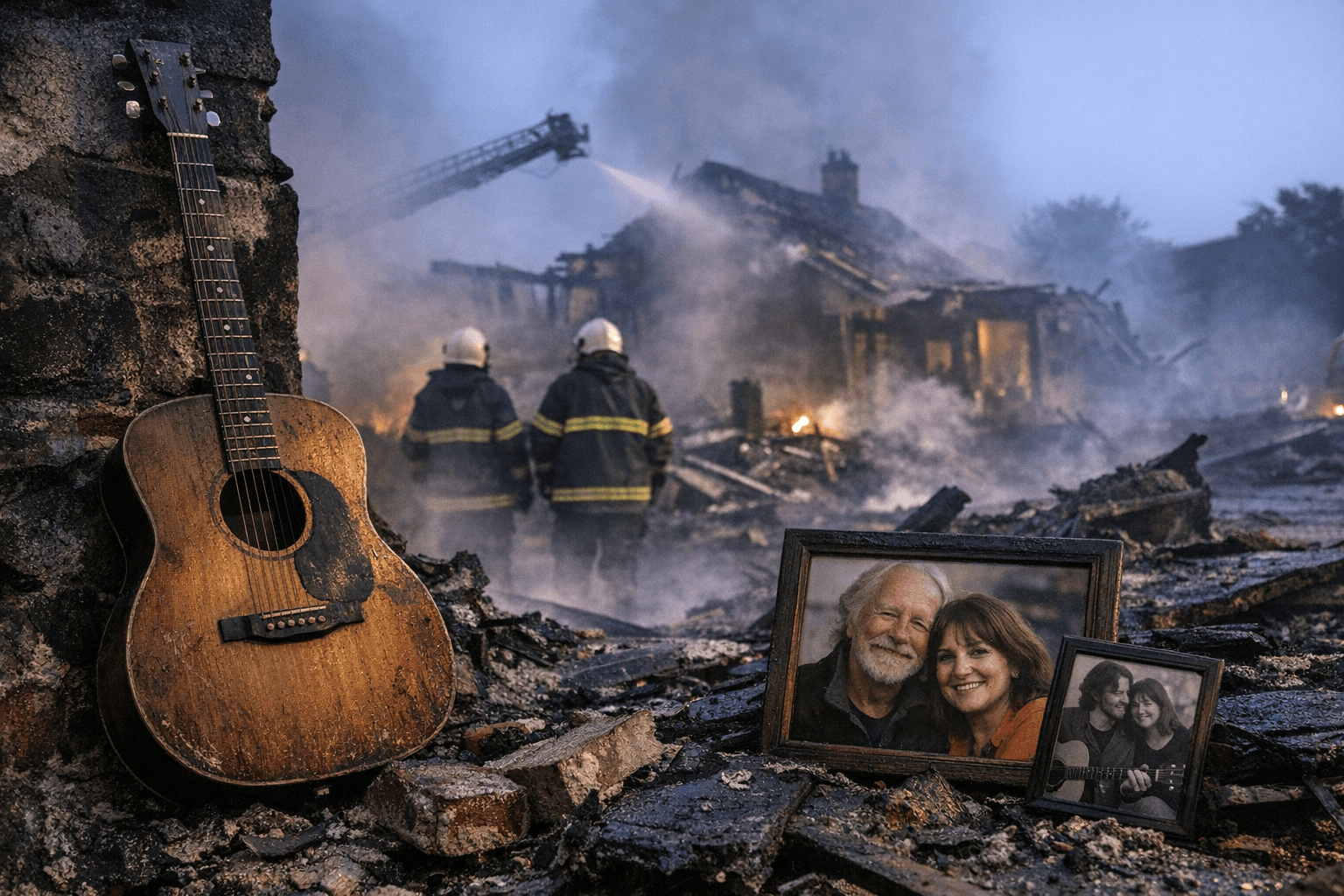
Tucker Zimmerman, a San Francisco-born folk singer-songwriter whose career spanned continents and generations, and his wife Marie-Claire Lambert died in a house fire near Liège, Belgium, on Jan. 17, 2026, his record label 4AD confirmed. Zimmerman was 84. The couple’s deaths remove a direct link between San Francisco’s midcentury music roots and contemporary audiences who rediscovered his work in recent years.
Zimmerman emerged from San Francisco in the 1960s and released his debut album Ten Songs by Tucker Zimmerman in 1969, produced by Tony Visconti. Over ensuing decades he built a largely Europe-centered career and sustained a literary approach to songwriting that won admiration from peers. His early life included a Fulbright scholarship and a long trajectory that moved between composition, performance, and collaboration. In the 2020s a late-career revival brought renewed attention in the United States, including his collaboration with the band Big Thief on the 2024 album Dance of Love.
For San Francisco, Zimmerman’s death is both personal and civic. He was part of a cohort of songwriters whose work helped shape the city’s cultural identity during a period of intense artistic ferment. Local record stores, small clubs, and community radio have long sustained the memory of artists like Zimmerman; their sudden loss prompts questions about how municipal cultural policy and nonprofit institutions document and preserve the contributions of aging artists who built the city’s reputation as a creative hub.
The circumstances of the deaths also underscore gaps in how communities track and support expatriate residents. While consular and international emergency services are federal matters, the San Francisco arts ecosystem has a role in ensuring that artists’ legacies are archived and accessible. Municipal archives, the San Francisco Arts Commission, university special collections, and nonprofit oral history projects may all face renewed pressure to identify, preserve, and promote materials that risk being dispersed overseas.
Zimmerman’s connection to prominent figures in rock and folk production, including Visconti and admirers in later generations, positions his catalog as a resource for scholars and musicians tracing transatlantic influences in popular music. Local institutions and independent labels that host archival releases and reissues may be called upon to coordinate preservation efforts and public commemorations.
For readers in San Francisco, the immediate impact will be felt in neighborhood concert halls, independent music shops, and among musicians who cite Zimmerman’s lyrical craft. Longer term, his passing highlights the practical choices facing city cultural policymakers: fund archival projects, support aging artists and their estates, and strengthen partnerships that ensure the city’s musical heritage is not lost to geography or time. What comes next will be determined by museums, labels, and community organizations willing to steward that legacy.
Sources:
Know something we missed? Have a correction or additional information?
Submit a Tip