Sandu appoints Osmochescu acting prime minister after Munteanu resigns
Sandu moved fast to replace Alexandru Munteanu, naming Eugeniu Osmochescu acting premier as Moldova’s pro-EU government navigates a fragile transition.
President Maia Sandu moved on Tuesday to keep Moldova’s government intact after Alexandru Munteanu resigned, appointing Deputy Prime Minister Eugeniu Osmochescu as acting prime minister and setting his formal takeover for Wednesday. The rapid handoff is meant to preserve continuity at a time when Sandu’s Party of Action and Solidarity still has a governing mandate but must manage a cabinet transition without losing momentum.
Osmochescu already serves as minister of economic development and digitalization, and before entering government he worked at the International Finance Corporation, the World Bank’s private-sector arm. His background points to a caretaker whose brief is stability as much as policy, with the economic ministries needing a steady hand while Moldova’s pro-European agenda continues and investors watch for any sign of disruption.
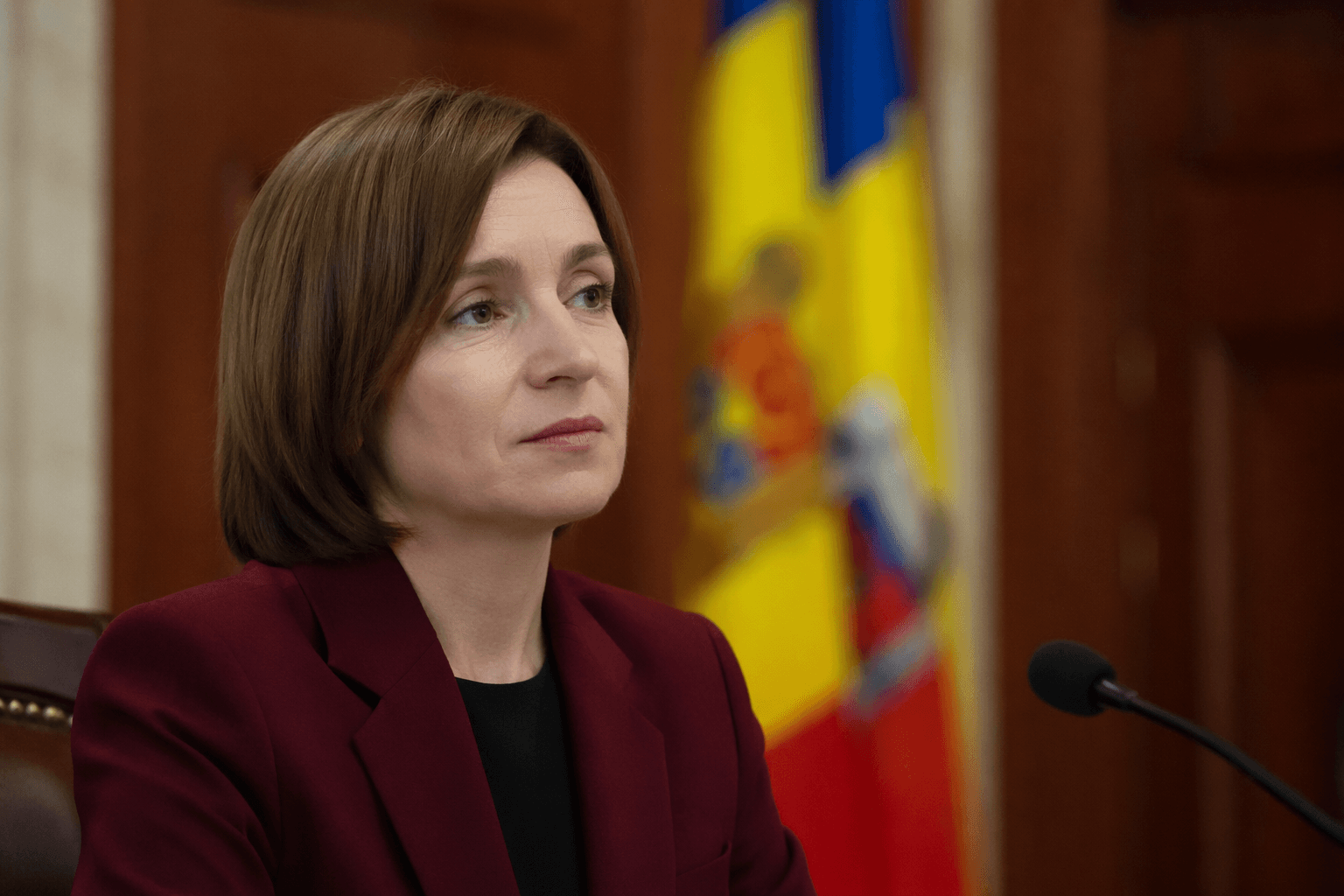
Munteanu resigned on Friday, less than a year after taking office in November 2025, saying he could no longer do the job in accordance with his principles and convictions. In a Facebook response, he thanked Osmochescu for taking on the responsibility and wished him success, signaling that the transition was intended to be orderly even after the shock of a surprise departure. Reporting around the resignation has pointed to political pressure and corruption scandals, including scrutiny involving the state-owned air traffic management company MoldATSA.
The institutional stakes are clear. Moldova’s constitutional rules mean that when a prime minister resigns, the entire cabinet resigns as well, but the outgoing government continues handling public affairs until a new one is sworn in. A prime ministerial nominee then has 15 days to assemble a team and seek a confidence vote in Parliament. Sandu said she would consult parliamentary factions during the week, keeping the next step inside the usual political process rather than through abrupt executive action.
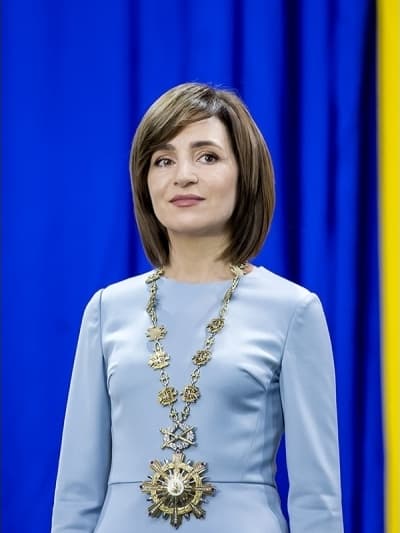
The timing matters because Sandu’s party won 55 of 101 seats in the September 28, 2025 parliamentary election with 50.2 percent of the vote, preserving a pro-European majority in the 101-seat chamber. The swift appointment of Osmochescu projects control, but the episode also shows how much Moldova’s governing stability still depends on cabinet cohesion, parliamentary discipline and the ability to keep public administration functioning while the country pushes ahead with European integration.
This article was produced by Prism’s automated news system from verified source data, official records, and press releases, then run through automated quality and moderation checks before publishing. The system is built and supervised by the people who set the standards it runs under. Read our full AI policy.
Did this article answer your question?