Saudi Aramco helicopter crashes in Ras Tanura, killing 14 aboard
A Saudi Aramco helicopter crashed in Ras Tanura, killing all 14 aboard, including 14 Saudi nationals. The cause was not yet known.
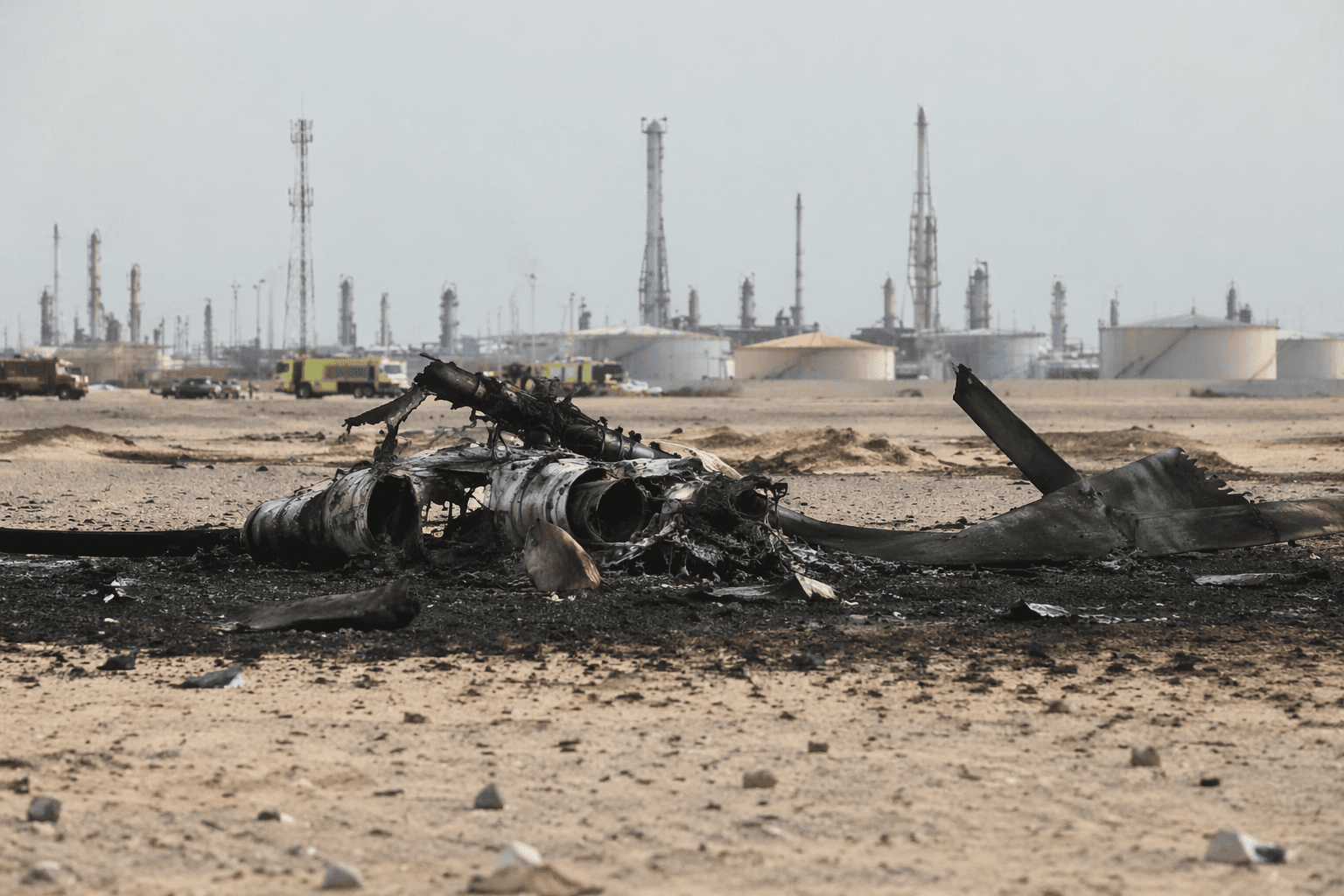
A Saudi Aramco helicopter crashed in Ras Tanura, Saudi Arabia, killing all 14 people aboard, including 14 Saudi nationals. The aircraft went down at about 6:00 a.m. local time on Sunday, June 28, 2026, in the Eastern Province port city on the Gulf coast west of the Strait of Hormuz. The Saudi Ministry of Energy confirmed the crash and the death toll, while authorities opened an investigation into what brought the aircraft down.
Ras Tanura is one of Saudi Arabia’s most sensitive energy sites. The city is home to Aramco’s Ras Tanura refinery and oil terminal, a major processing and export point for crude moving out of the kingdom. The helicopter belonged to Saudi Aramco, placing the crash directly inside the infrastructure that helps connect Saudi output to global markets.
The timing sharpened the focus on the site’s strategic role. Aramco had resumed crude oil loadings at Ras Tanura on Friday, June 26, 2026, after a nearly four-month suspension. Any disruption there carries outsized importance because the terminal sits near the Strait of Hormuz, the narrow waterway through which a large share of the world’s oil flows.
Ras Tanura has also been a recurring flashpoint this year. The refinery area has faced previous drone and missile-related incidents in 2026, though those attacks did not produce the same result as the helicopter crash and did not stop supplies. That history makes the location more than the scene of a fatal aviation accident: it is a critical energy chokepoint where safety, security and export continuity are tightly linked.
This article was produced by Prism’s automated news system from verified source data, official records, and press releases, then run through automated quality and moderation checks before publishing. The system is built and supervised by the people who set the standards it runs under. Read our full AI policy.
Did this article answer your question?