Saxophone Colossus Sonny Rollins dies at 95, jazz giant shaped generations
Sonny Rollins, the “Saxophone Colossus” who reinvented himself on the Williamsburg Bridge, died at 95, leaving a body of work that reshaped modern jazz.

Sonny Rollins, the post-bebop giant who turned improvisation into a way of life, died May 25 at 95 at his home in Woodstock, New York. Born Theodore Walter Rollins on Sept. 7, 1930, in New York City, he built an eight-decade career that carried him from Harlem stages to the White House and produced more than 60 albums as a leader.
Rollins was not just a soloist but a bridge between eras, carrying the hard-won freedom of bebop into a looser, more searching language that reached far beyond jazz circles. His nickname, the “Saxophone Colossus,” came to define him as much as the 1956 album that helped make his reputation. That record, often treated as his breakthrough, introduced a tenor voice of uncommon force, one that could sound playful, towering and restless within a single chorus.
Any essential path through his catalog has to pass through Freedom Suite in 1958, a recording that has long been read as a civil-rights-era statement, and then The Bridge in 1962, his first album after a three-year sabbatical. During that break, Rollins spent more than two years practicing on the Williamsburg Bridge, a solitary reinvention that became part of jazz lore and changed the way he approached the instrument. When he returned to action in late 1961, the first recording was appropriately titled The Bridge, with Jim Hall on guitar, Bob Cranshaw on bass and Ben Riley on drums.
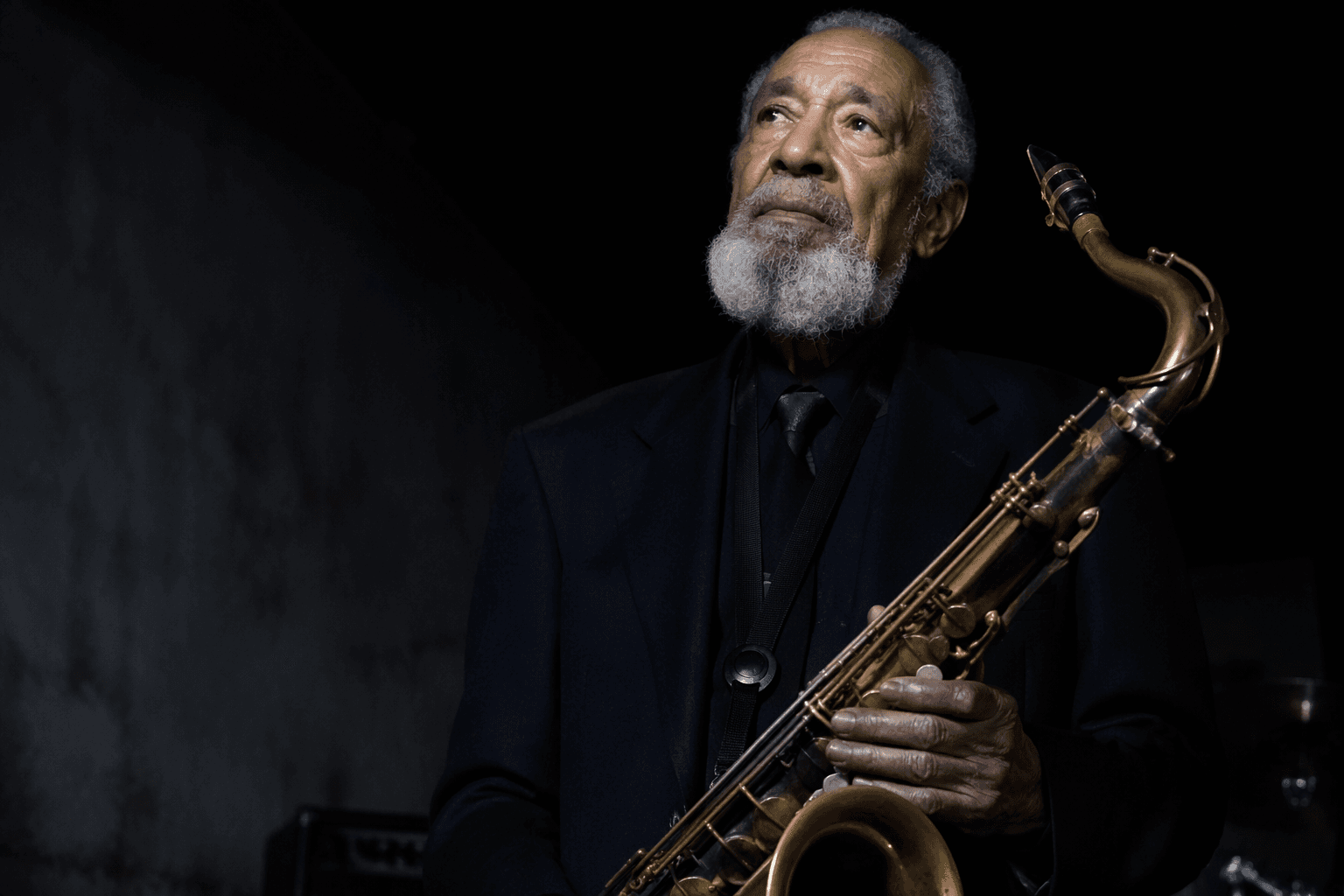
His reach extended well beyond his own bandstand. Rollins recorded with Miles Davis, Thelonious Monk, Charlie Parker and Max Roach, placing him at the center of the music’s most consequential conversations. Over the years he earned the 2010 National Medal of Arts, presented by President Barack Obama at the White House in Washington on March 2, 2011, along with a 2011 Kennedy Center Honor, a Grammy Award, a Grammy Lifetime Achievement Award and other recognition that reflected how deeply his sound had entered American culture.
Rollins leaves behind a catalog that still rewards close listening because it was never just about technical command. It was about risk, self-reinvention and the insistence that jazz could keep opening outward, generation after generation.
This article was produced by Prism’s automated news system from verified source data, official records, and press releases, then run through automated quality and moderation checks before publishing. The system is built and supervised by the people who set the standards it runs under. Read our full AI policy.
Did this article answer your question?