SB 1322 Would Require Kootenai Poll Workers to Verify Birthdates, ID Numbers
SB 1322 would force Kootenai poll workers to check a voter's birth date or driver’s license/state ID number against registration records before handing over a ballot; 1,245 Idahoans used affidavits in Nov. 2024.
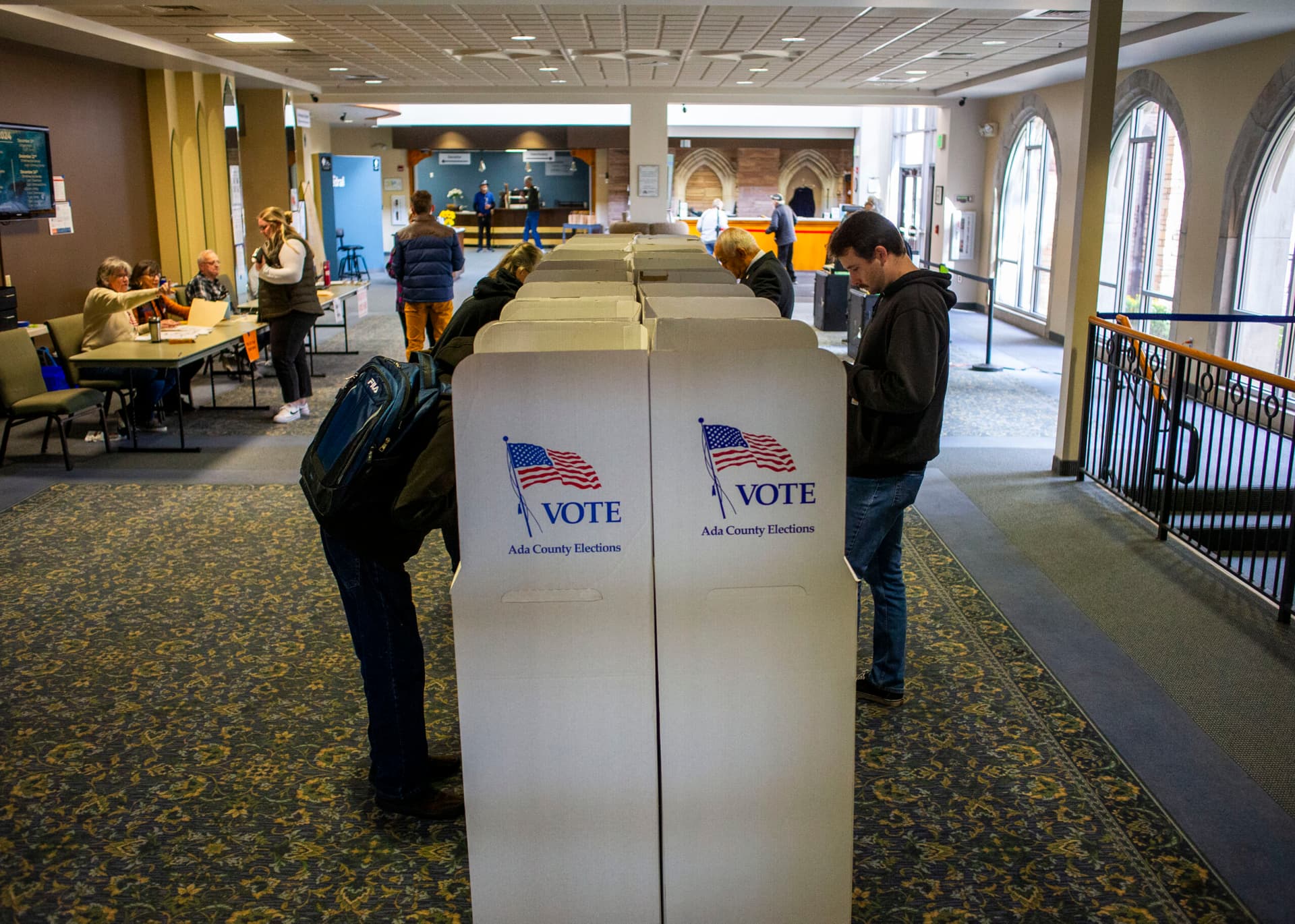
Senate Bill 1322 would require Kootenai County poll workers to collect a voter’s birth date or the number for their driver’s license or state ID card on the sworn affidavit and have an election judge “verify the information against the voter registration records prior to issuing a ballot.” The bill cleared the Senate State Affairs Committee and now heads to the full Idaho Senate for consideration, meaning it must still pass both chambers and avoid a governor’s veto to become law.
Under current practice, an affidavit is a sworn legal document that registered Idaho voters may use at the polls instead of presenting a photo ID; voters without photo ID can sign the paper affidavit to cast a ballot. County election offices, including those that administer elections in Kootenai County, already review affidavits to confirm a voter’s name, address and signature against the voter record, Chelsea Bishop, a spokesperson for the Idaho Secretary of State’s Office, has said. Statewide, the Idaho Secretary of State’s Office reports 1,245 voters used an affidavit in the November 2024 election.
Sen. Brian Lenney, R‑Nampa, is a co-sponsor of SB 1322 and has previously sought legislation that would have banned affidavit use entirely; he described the new measure as a “step in the right direction” to close what he views as potential loopholes. Secretary of State Phil McGrane testified in favor of tightened checks, noting that Idaho uses secret ballots and “there’s no way to trace ballots placed in a ballot box back to an individual voter who signed an affidavit,” and that the bill would help “shore up safeguards before ballots are issued to voters.”
The bill’s requirements would add a verification step at the frontline of polling places across Kootenai County — poll workers or election judges would need to look up birth dates or ID numbers in the state’s registration system or printed rosters to confirm identity before issuing ballots. The collected coverage does not specify whether verification would occur electronically at the polling place, against paper rosters, or how long the process is expected to take at busy precincts such as those in Coeur d’Alene or Post Falls.
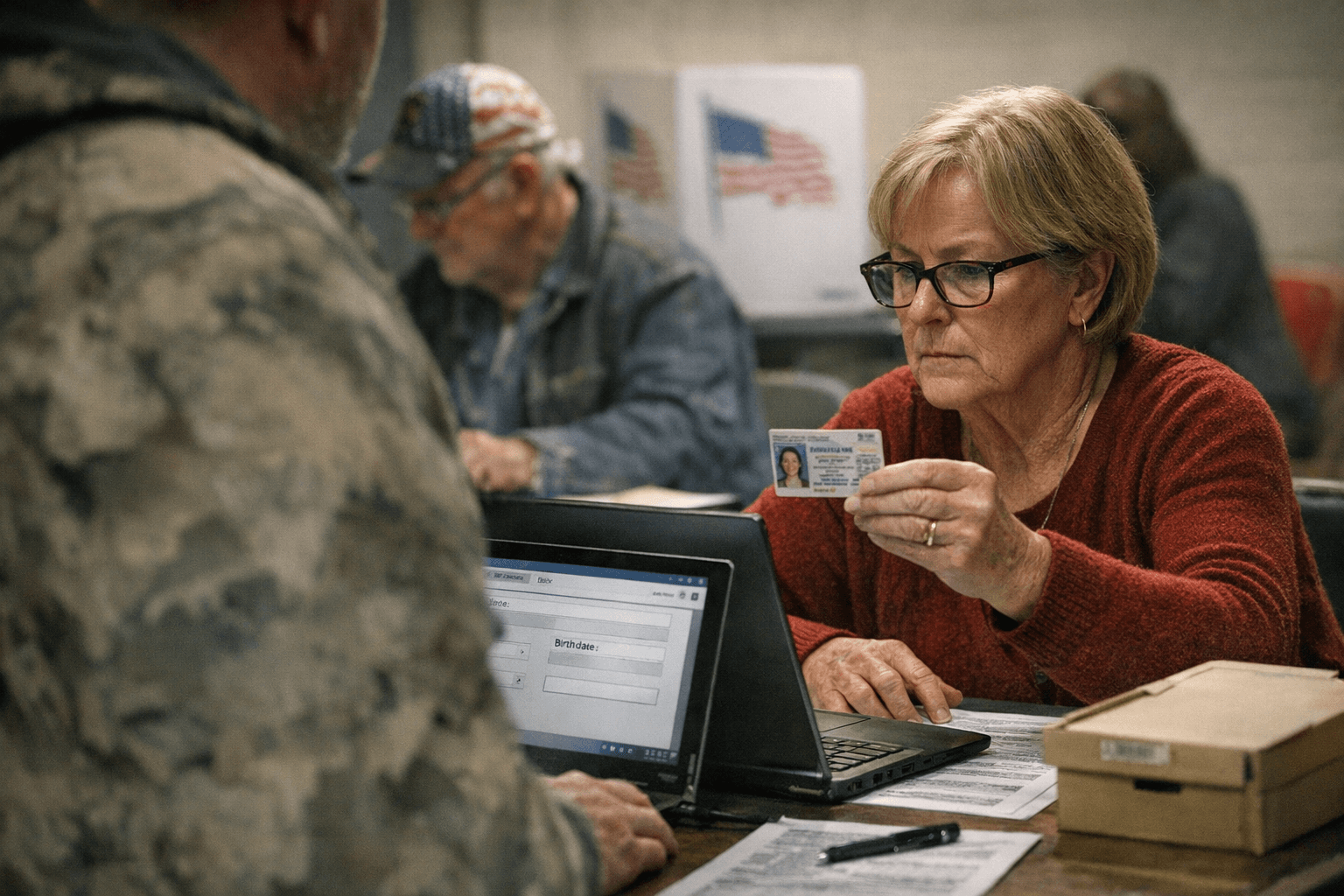
Legal and operational questions remain unresolved in the current reporting. Only registered voters may use affidavits, and it is a felony to provide false, erroneous or inaccurate information on a voter affidavit; the bill does not outline how affidavits that fail verification would be handled at the polling place, what training or equipment counties would need, or how the change would apply to early in-person voting versus same‑day precinct voting.
As SB 1322 moves from committee to the Senate floor, Kootenai County election staff and voters can expect more debate over implementation details, verification procedures, and the practical impact on polling-place operations during future elections.
Know something we missed? Have a correction or additional information?
Submit a Tip