SB3 Executive Committee Designs Regional Behavioral Health System in Fifth Meeting
SB3 executive committee met to design a regional behavioral health system, shaping how services and funding will be delivered across counties including Los Alamos. Public participation was invited via Zoom.
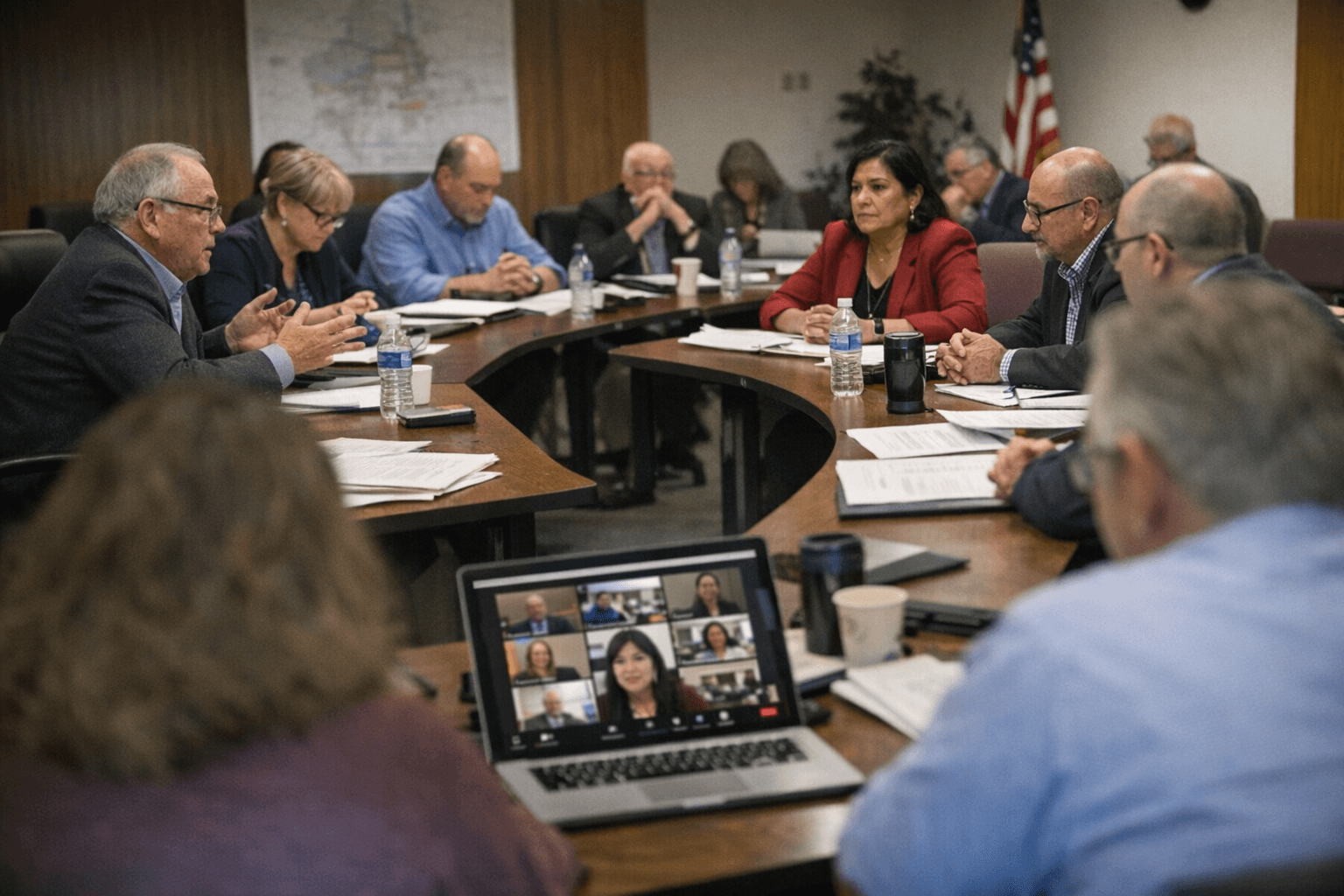
The Executive Committee created by the Behavioral Health Reform and Investment Act (Senate Bill 3) convened its fifth meeting to continue designing New Mexico’s new regional behavioral health system. The two-hour session took place 8–10 a.m. Tuesday, Jan. 20, 2026, at the New Mexico Health Care Authority offices in Santa Fe and was available to the public by Zoom. A HCA/AOC news release announcing the meeting, Zoom access and logistics was posted on the Los Alamos Reporter.
Committee work under SB3 is central to how behavioral health services will be organized and financed across the state. At this stage the committee is focused on structure and regional implementation approaches that will determine governance arrangements, how funds flow to local providers, and the mechanics of coordinating services across counties. Those design choices will influence whether Los Alamos County retains local control of certain programs or becomes part of a larger regional management entity, how crisis response and outpatient treatment are prioritized, and how providers are reimbursed.
For Los Alamos residents the stakes involve access, timeliness and continuity of care. A regional model could expand cross-county service options for residents who now travel for specialty care, but it could also shift administrative authority away from county-level decision makers and require new contracting relationships for local clinics and behavioral health professionals. Funding strategies developed by the committee will affect which services are sustained, scaled or added, and how behavioral health investments are distributed across rural and urban areas.
Institutionally, the committee’s work ties together the Health Care Authority and other state entities charged with implementing SB3. The process of translating statutory goals into operational regions, service standards and payment models will require legal, fiscal and programmatic decisions. Those choices may affect reporting requirements for providers, eligibility rules for patients and the timeline for statewide rollout.
The meeting’s public Zoom option and posted logistics underscore that public input is part of the design phase. Residents, clinicians and county officials who want to influence service priorities and local implementation can monitor HCA and Administrative Office of the Courts announcements and participate in upcoming committee sessions. Local news outlets, including the Los Alamos Reporter, have republished the HCA/AOC notices that list access information.
What this means for readers is straightforward: the committee’s design decisions will shape how and where you receive behavioral health care and who controls funding and program priorities. The policy debate moves from statute to details now, and community engagement in the coming meetings will matter for Los Alamos County’s role in the new regional system.
Sources:
Know something we missed? Have a correction or additional information?
Submit a Tip