SBA pushes employee ownership as millions of owners near retirement
Six million retiring owners could decide whether local firms close, sell or pass to workers, as the SBA and advocates press ESOPs.
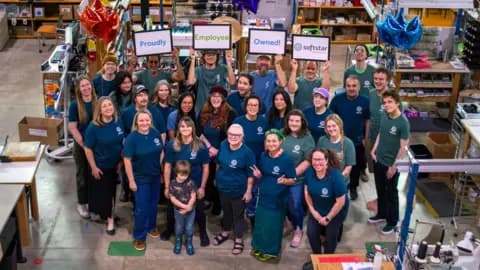
Six million American business owners are headed for retirement by 2035, and that wave is turning succession into a national economic test for Main Street. The U.S. Small Business Administration is leaning hard into employee ownership as one practical way to keep companies open, preserve local jobs and let owners exit on their own timeline.
The agency says succession planning can help owners transfer a business, sell it or close it cleanly. It has also highlighted employee ownership as a route that can protect a company’s legacy while benefiting workers and the surrounding community, a pitch aimed squarely at the millions of firms whose founders are nearing the end of their careers.

The scale of the employee ownership market shows why federal officials see it as part of the answer. The National Center for Employee Ownership says there were 6,609 employee stock ownership plan, or ESOP, plans in the United States in 2023, holding more than $2 trillion in assets across 6,411 unique companies. The ESOP Association puts the number of companies with ESOPs at about 6,411 and says roughly 270 new ESOPs are created each year.
Those numbers matter because the retirement of baby boom-era owners is not just a private succession problem. Project Equity says millions of retiring boomer business owners employ nearly one in six U.S. workers, a concentration that makes the stakes clear: when owners cannot find buyers or successors, local firms can shut down, jobs can disappear and wealth can move out of the communities that built it.
Employee ownership has a long policy history behind it. A 2026 Department of Labor report traces the modern ESOP back to Louis Kelso’s 1956 concept, showing that the model is not a recent experiment but a longstanding part of U.S. business policy. The department also says about half of states now have nonprofit centers for employee ownership, and since 2019 at least fifteen states have passed or considered legislation on the issue, often with bipartisan support.
The SBA has been showcasing real-world transitions to make the case concrete. One example is Ward Lumber in New York, where employees bought the 130-year-old company in what the agency described as the first employee-ownership transition of its kind in the North Country region. For policymakers and business owners alike, that is the larger question now: whether the next generation of Main Street firms stays rooted in local hands, or slips away when their founders retire.
This article was produced by Prism’s automated news system from verified source data, official records, and press releases, then run through automated quality and moderation checks before publishing. The system is built and supervised by the people who set the standards it runs under. Read our full AI policy.
Did this article answer your question?

