Scientists create 3D digital archive of endangered vaquita skeleton
A 1966 vaquita skeleton became a 3D archive as the species slips toward disappearing in Mexico’s Gulf of California.
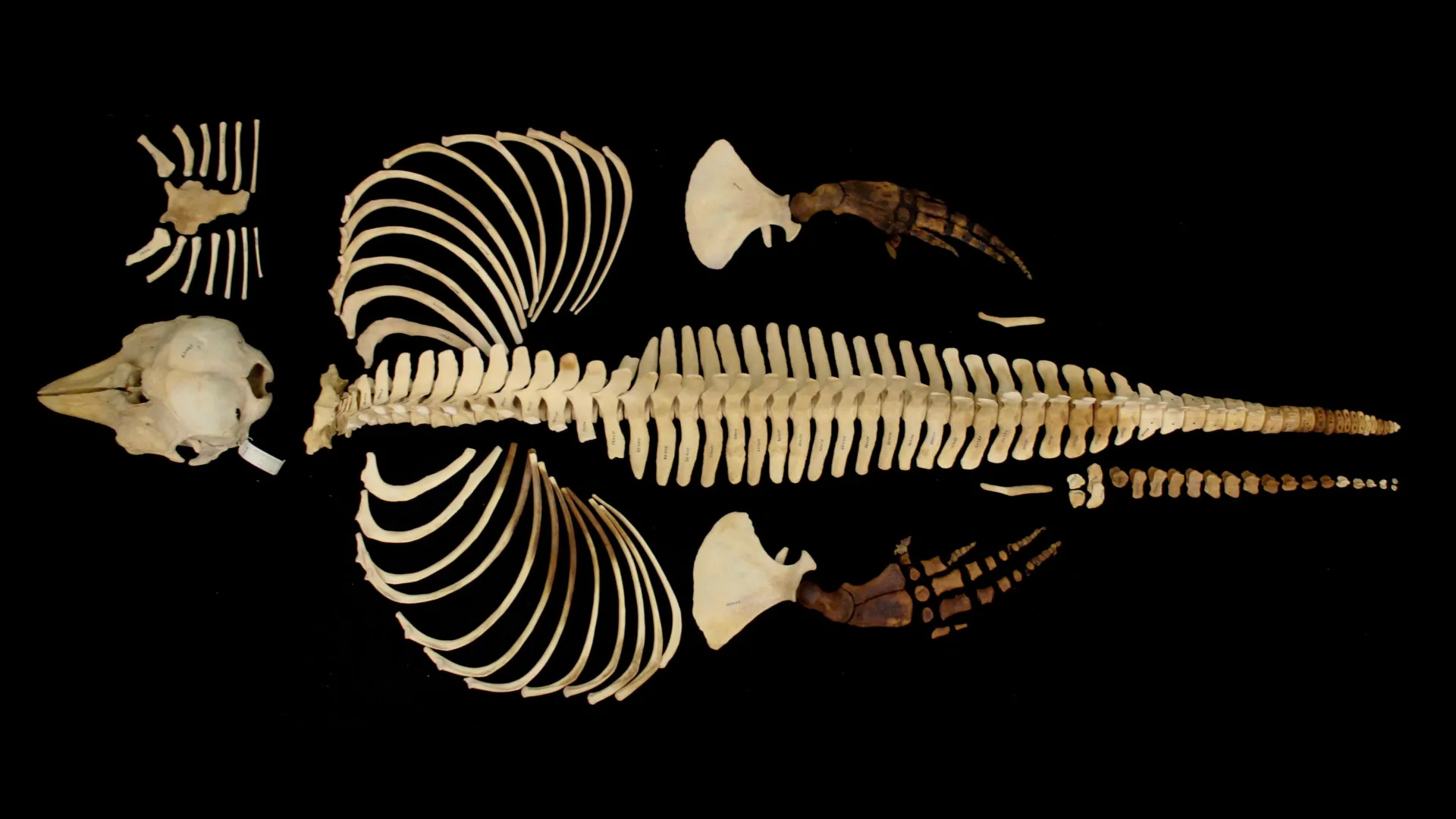
Scientists have turned a complete female vaquita skeleton into a detailed 3D digital archive, capturing the anatomy of the world’s smallest cetacean as it approaches vanishing in the northern Gulf of California. The project brings together Florida Atlantic University researchers, the San Diego Natural History Museum, SeaWorld California and NOAA Fisheries, using medical CT scans, micro-CT imaging and digital photography to build an open-access record for education, research and conservation.
The specimen at the center of the work was donated to the museum in 1966. By preserving it in digital form, the researchers created what is effectively a biological backup for a species that may no longer be available to study in the wild for long. NOAA says fewer than 20 vaquitas remain in the wild, while recent 2025 survey-based estimates placed the number at about 7 to 10 unique animals, with one or two calves observed. The archive is meant to keep the science alive even as the population hangs by a thread.

That tension defines the vaquita story. The species lives only in Mexico’s northern Gulf of California, mainly north of 30°45'N and west of 114°20'W, in a core area of about 2,500 square kilometers centered between Rocas Consag and San Felipe, Baja California. NOAA says the decline began with gillnet fishing for totoaba in the mid-1930s through the mid-1970s, then continued through illegal bycatch in shrimp and fish gillnets. The agency estimates about 39 vaquitas were killed per year in El Golfo de Santa Clara in 1993 and 1994, and says the population fell by an average of 34% a year from 2011 to 2015 before an emergency gillnet ban took effect in May 2015.
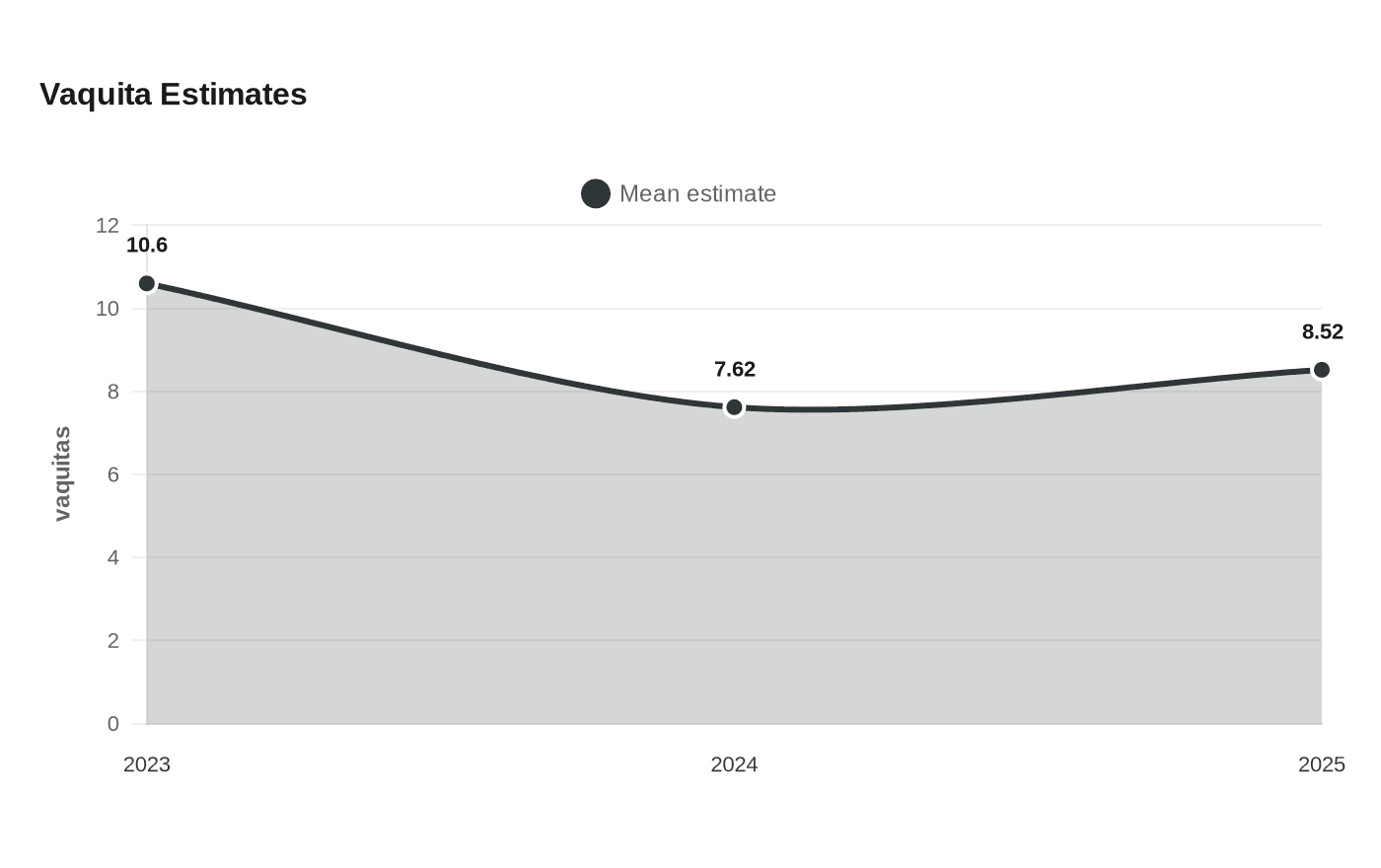
Mexico and conservation groups have been trying to slow that collapse for decades. The Upper Gulf of California and Colorado River Delta Biosphere Reserve was created in 1993, the International Committee for the Recovery of the Vaquita, known as CIRVA, was established in 1997, and a vaquita refuge area followed in 2005. Even so, the latest counts still point to a species on the edge, with 2025 monitoring showing a mean estimate of 8.52 unique vaquitas, compared with 7.62 in 2024 and 10.6 in 2023.
The digital archive cannot replace living animals in their habitat, but it does give scientists a way to study vaquita anatomy, compare it with other cetaceans and teach future generations what this porpoise looked like in full detail. In a conservation landscape defined by lost time, that may be the sharpest lesson: when recovery in the wild becomes nearly impossible, the scientific record itself becomes part of the rescue.
This article was produced by Prism’s automated news system from verified source data, official records, and press releases, then run through automated quality and moderation checks before publishing. The system is built and supervised by the people who set the standards it runs under. Read our full AI policy.
Did this article answer your question?