Scientists warn of invasive jellyfish stings ahead of summer beaches
An invasive jellyfish is spreading through East Coast waters, and NOAA says even dead jellyfish can still sting as summer crowds reach the beach.
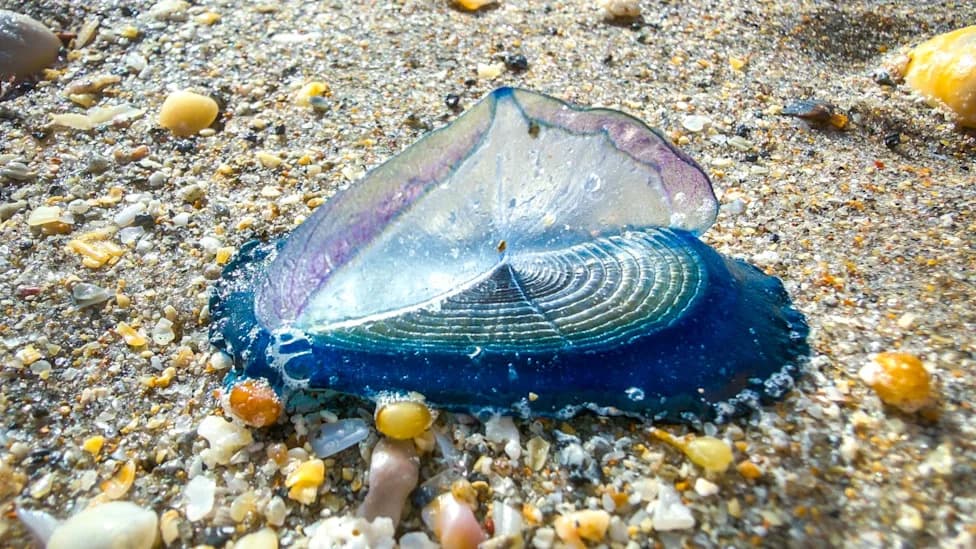
Scientists are warning that a painful-stinging jellyfish is turning up in East Coast waters just as beaches fill for summer, raising the risk of last-minute advisories, disrupted outings and emergency room visits. NOAA says jellyfish injure beachgoers more often than any other type of sea life, and even washed-up jellyfish can still deliver a sting.
The immediate danger is not theoretical for families, surfers and swimmers who step into near-shore water without realizing a jellyfish has moved in. NOAA estimates there are about 2,000 jellyfish species worldwide, but only about 70 seriously harm or occasionally kill people. That still leaves plenty of room for misery on a crowded holiday beach, especially for children and for anyone who has an allergic reaction after contact.

In Chesapeake Bay, coastal scientists track sea nettles closely because the bay’s most commonly seen jellyfish, Chrysaora chesapeakei, can be abundant in the tributaries of the middle Bay where salinity ranges from 10 to 20 parts per thousand. Scientists determined in 2017 that the bay form was distinct from the offshore Atlantic species, Chrysaora quinquecirrha, a reminder that jellyfish populations can change as water conditions shift and species are sorted into new ecological niches.
That matters well beyond one bay. NOAA Fisheries says invasive marine species are one of the greatest threats to marine and coastal biodiversity worldwide, second only to habitat loss. Aquatic invasive species can spread through boating, fishing, diving, water gardening, seaplanes and connected waterways, giving a harmful species multiple routes into estuaries, bays and near-shore habitats where people swim and fish.
The public-health stakes are immediate. A single sting can end a beach day, but clusters of stings can force beach advisories, change lifeguard guidance and place more pressure on local responders during peak holiday traffic. NOAA’s guidance makes clear that beach warning signs matter, because people often see the threat only after they are already in the water.
For coastal communities, the larger problem is the same one driving many summer risks along the East Coast: warmer weather brings more people to fragile waters already under strain. When an invasive jellyfish gains a foothold, the consequences ripple from ecology to tourism to safety, and the costs arrive fastest at the shoreline.
This article was produced by Prism’s automated news system from verified source data, official records, and press releases, then run through automated quality and moderation checks before publishing. The system is built and supervised by the people who set the standards it runs under. Read our full AI policy.
Did this article answer your question?