Scotland set for record turnout as Holyrood election results begin Friday
A record 4,320,981 voters are on Scotland’s roll as Holyrood counts begin, with the SNP chasing whether it can get back to majority territory.
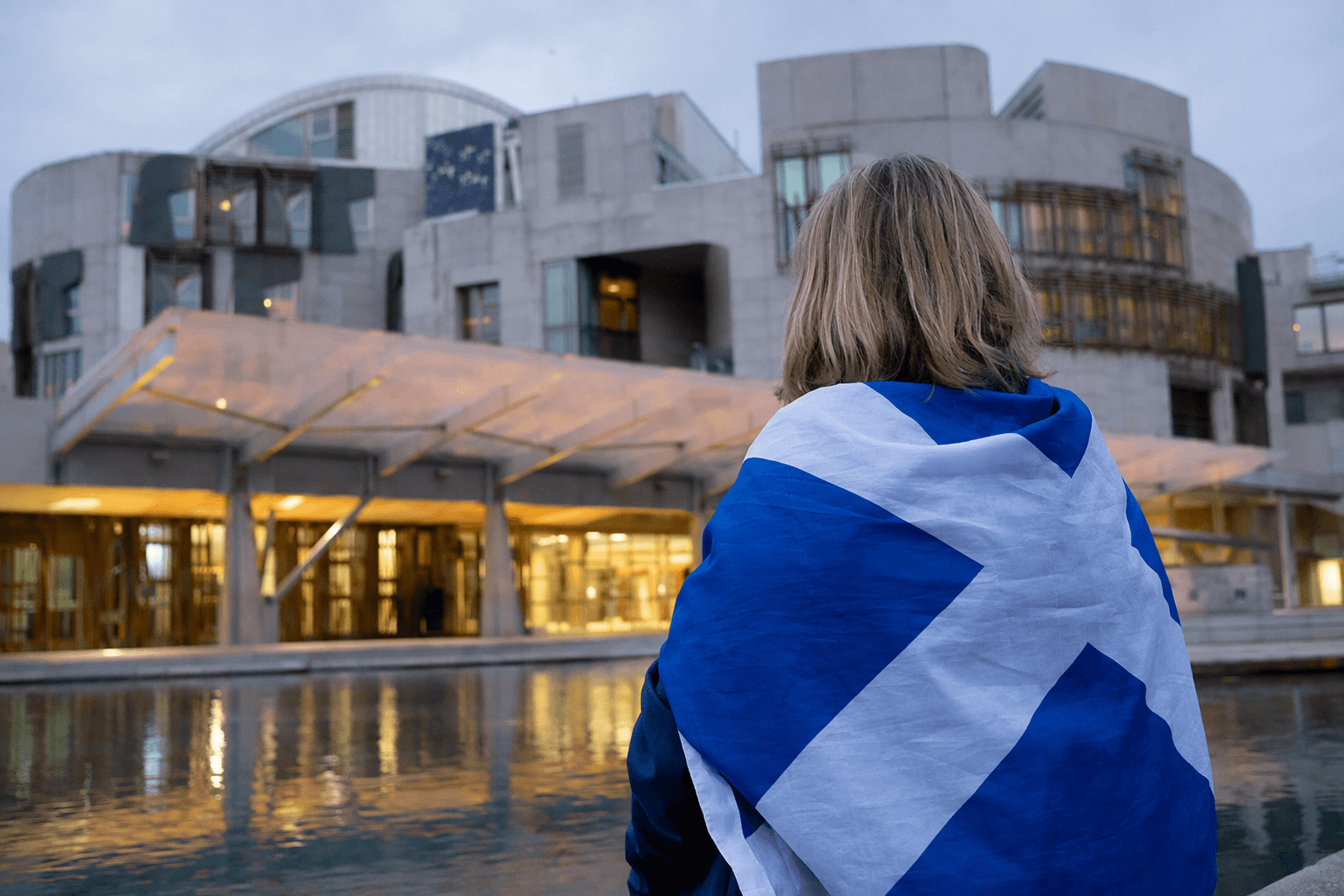
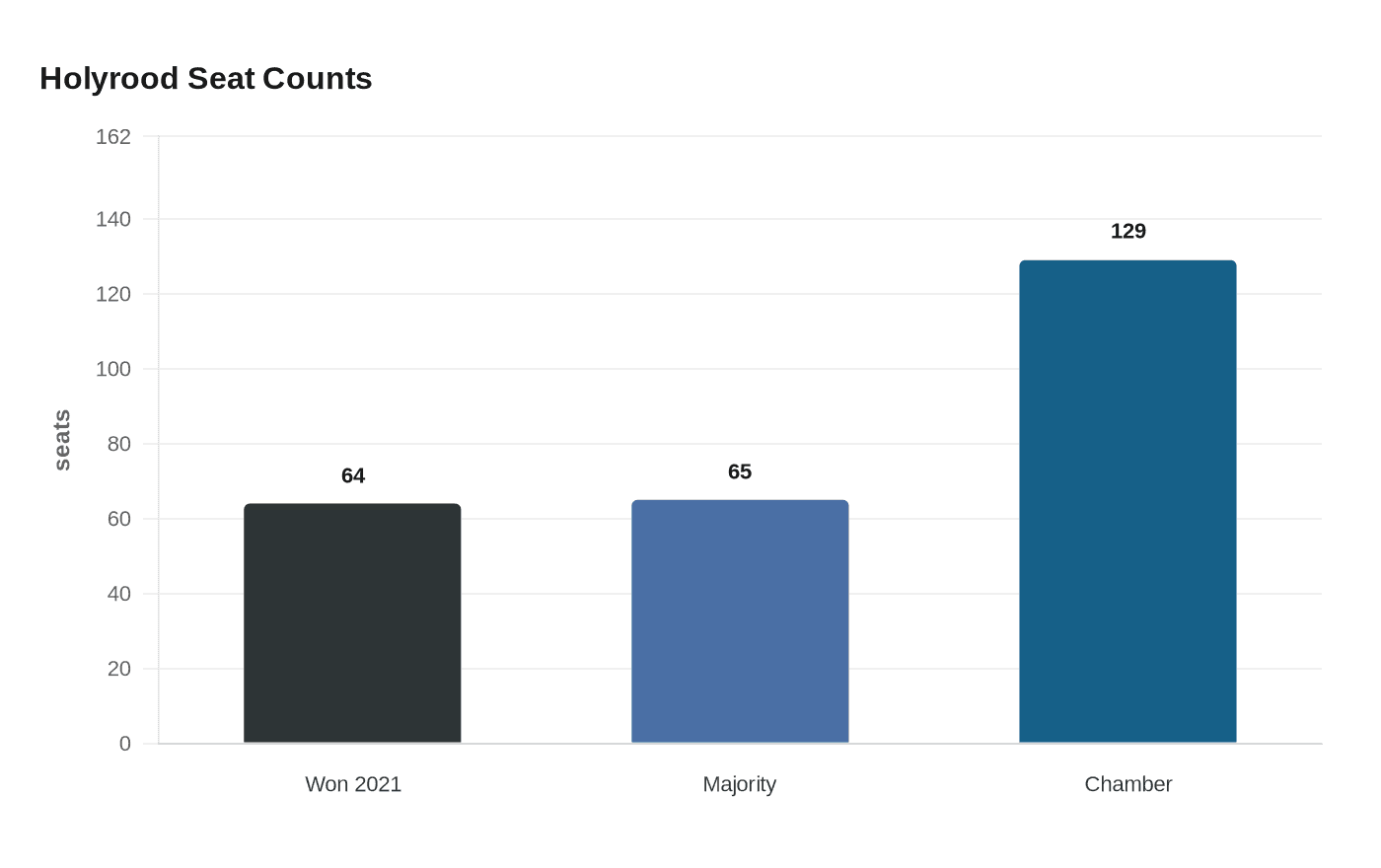
Scotland’s next power shift may hinge on a narrow seat count, not a sweeping landslide. With 4,320,981 people registered to vote, a record for a Scottish Parliament election, the central question is whether the SNP can move beyond the 64 seats it won in 2021 and back toward the 65 needed for an outright majority in Holyrood’s 129-member chamber.
That threshold matters far beyond Edinburgh. A majority would give the SNP far more room to drive Scottish Government policy on health, education, transport, justice and housing without constant negotiation. If it falls short again, the result points to coalition bargaining, deal-making on budgets and legislation, and a more contested relationship with Westminster. It would also change the pressure on independence politics, because a strong nationalist showing would revive demands for another hard push, while a weaker one would give opponents more room to argue that voters want continuity and practical delivery instead.
The election was held on Thursday 7 May 2026 under Scotland’s additional-member system, which means constituency winners are only part of the story. Once the local seats are declared, the regional list calculation can still reshape the final balance of power. The Electoral Commission said the regional returning officer uses the constituency results and the totals from across each region to calculate list seats, then gives public notice of the regional result once all seats have been allocated. That is why the first declarations matter, but they do not always tell the full story.
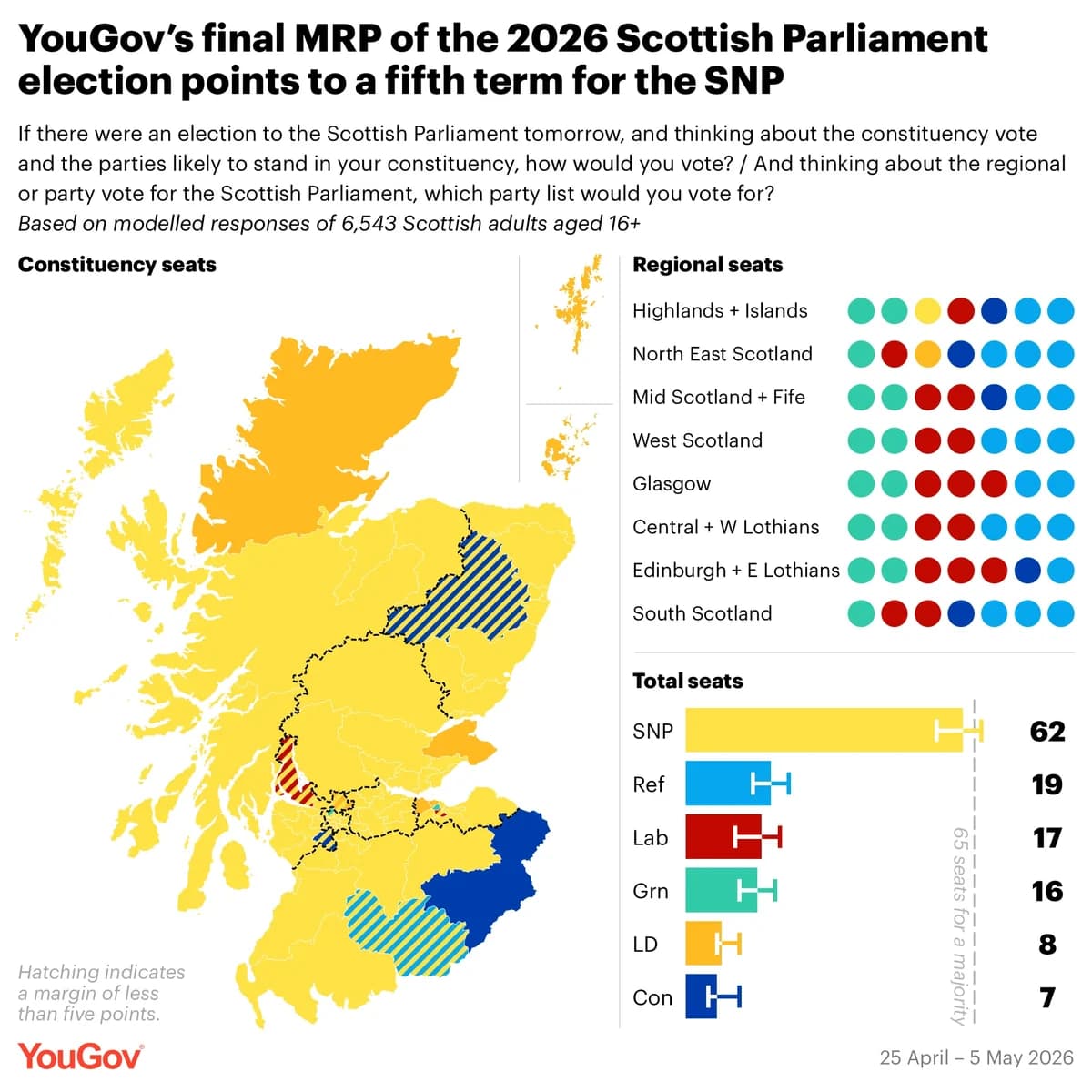
Polling stations were open from 7am to 10pm, and anyone already in the queue at 10pm was still entitled to vote. The deadline to register was Monday 20 April 2026, while postal vote applications closed on Tuesday 21 April 2026. Results are expected to begin coming in from early Friday afternoon, and the pace of those declarations will be watched closely in a country where election administration has long carried extra scrutiny.
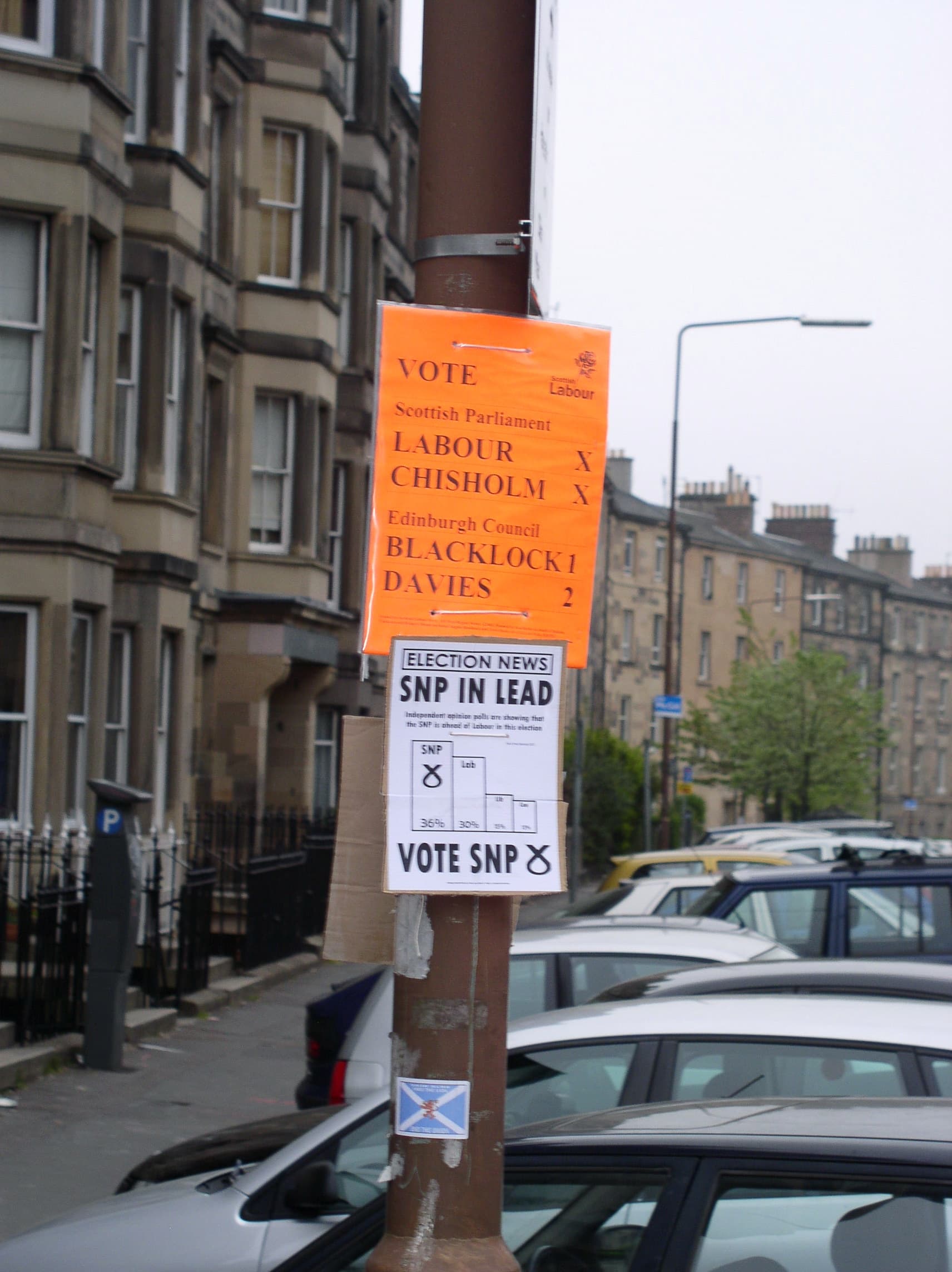
That scrutiny has history behind it. The SNP became the largest party in Holyrood in 2007 and won a majority in 2011, but the 2007 contest was marred by serious voting and counting problems that still shape attention on the count. For the parties now waiting on Friday’s numbers, the first big indicator is simple: whether Scotland has returned to a clear governing mandate, or settled into another Parliament where power depends on every last list seat.
This article was produced by Prism’s automated news system from verified source data, official records, and press releases, then run through automated quality and moderation checks before publishing. The system is built and supervised by the people who set the standards it runs under. Read our full AI policy.
Did this article answer your question?

