SEAFDEC Researchers Document First Natural Captive Spawning of Kawakawa Tuna in Tigbauan
SEAFDEC/AQD researchers documented the first natural captive spawning of kawakawa (Euthynnus affinis) at Tigbauan, opening new paths for hatchery seed and tuna ranching.

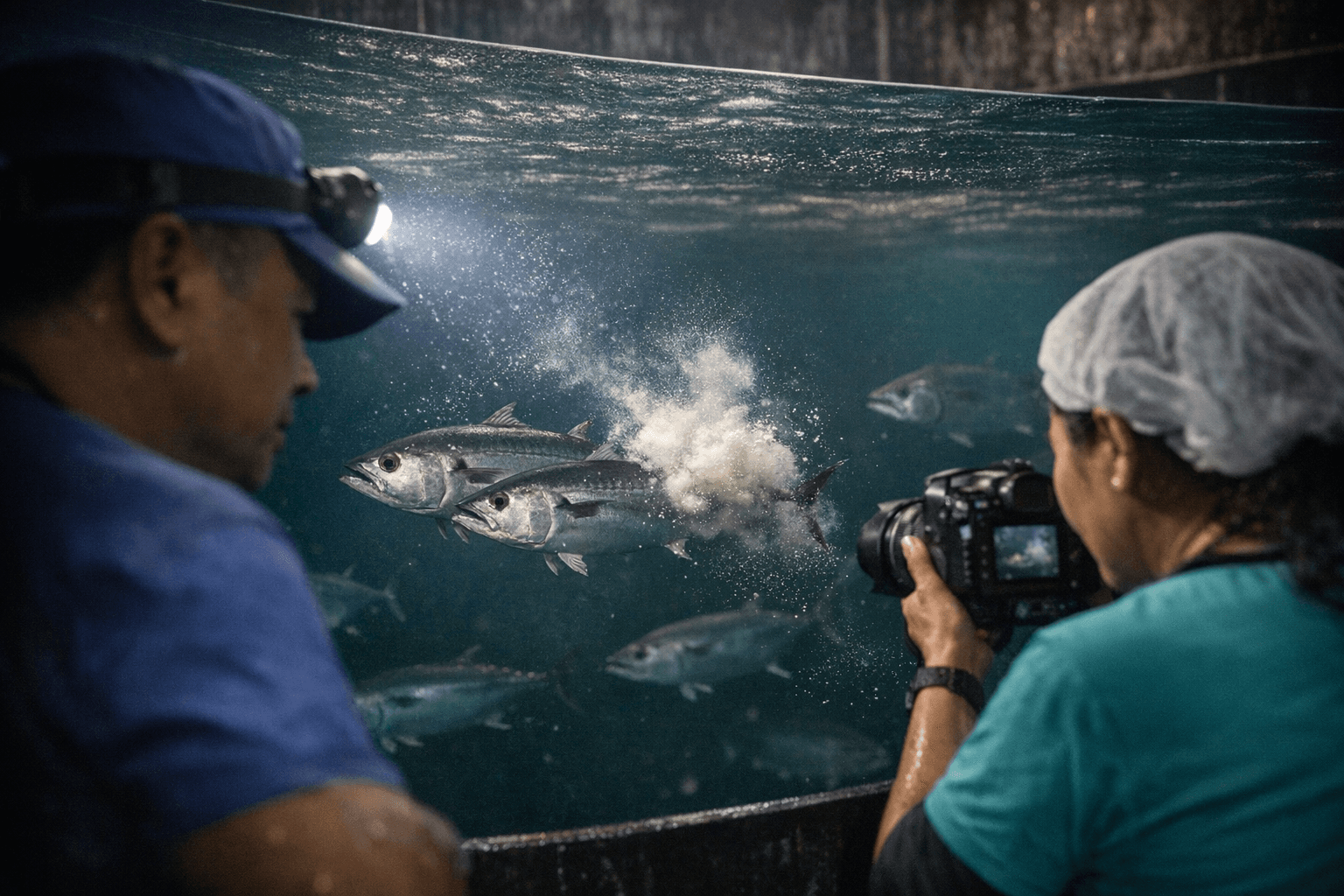
SEAFDEC/AQD researchers at the Tigbauan research station in Iloilo have recorded the world’s first natural captive spawning of mackerel tuna, kawakawa (Euthynnus affinis). The team documented the spawning event in July 2025, marking a milestone for captive tuna aquaculture and hatchery development in the region.
The breakthrough matters because natural spawning inside research facilities removes a key hurdle for sustained hatchery production. Until now, most tuna seed production relied on either wild-caught juveniles or hormonally induced spawning of broodstock. A natural captive spawn suggests kawakawa can complete at least part of its reproductive cycle under controlled conditions, which could reduce pressure on wild populations and improve reliability of seed supply for small-scale tuna ranchers and grow-out operations.
The Tigbauan station has long been a hub for broodstock and larval trials. Documenting a natural spawn means researchers observed eggs and spawning behavior without hormonal induction, then tracked the immediate outcomes. The report from SEAFDEC/AQD identifies this event as the first recorded instance of natural captive spawning for Euthynnus affinis anywhere, not just locally. SEAFDEC/AQD involvement signals institutional capacity to follow through with the next steps needed to turn this observation into usable hatchery protocols.
Practical implications for the tuna community center on broodstock management, hatchery protocols, and seed logistics. If researchers can replicate the spawn and demonstrate consistent egg viability and larval survival, hatcheries can plan for broodstock domestication programs that supply fingerlings to tuna ranchers. That would help stabilize seed prices, reduce dependency on unpredictable wild catches, and support livelihood planning for coastal fishers who run grow-out cages or pens.
Challenges remain. Documenting a spawn is the first link in a chain that includes egg incubation, larval rearing, weaning to formulated feeds, and on-growing to stocking size. SEAFDEC/AQD will need to track survival rates through these stages, refine feeding and husbandry techniques, and scale up broodstock husbandry to produce reliable batches of eggs. Replication across seasons and facilities will be essential before hatcheries and ranchers can count on regular deliveries.
For fishers, hatchery managers, and tuna ranchers, the Tigbauan finding is a promising development. Follow-up work will determine how quickly natural captive spawning can translate into more hatchery-produced seed and less pressure on wild kawakawa stocks. If SEAFDEC/AQD and partner facilities turn observation into repeatable protocols, the region could see a steadier flow of juveniles for ranching and greater resilience for coastal tuna enterprises.
Know something we missed? Have a correction or additional information?
Submit a Tip