Sean Plankey withdraws CISA nomination after yearlong Senate stalemate
Sean Plankey quit after 13 months in Senate limbo, leaving CISA without a confirmed director as cyber experts warned the vacancy was slowing critical work.
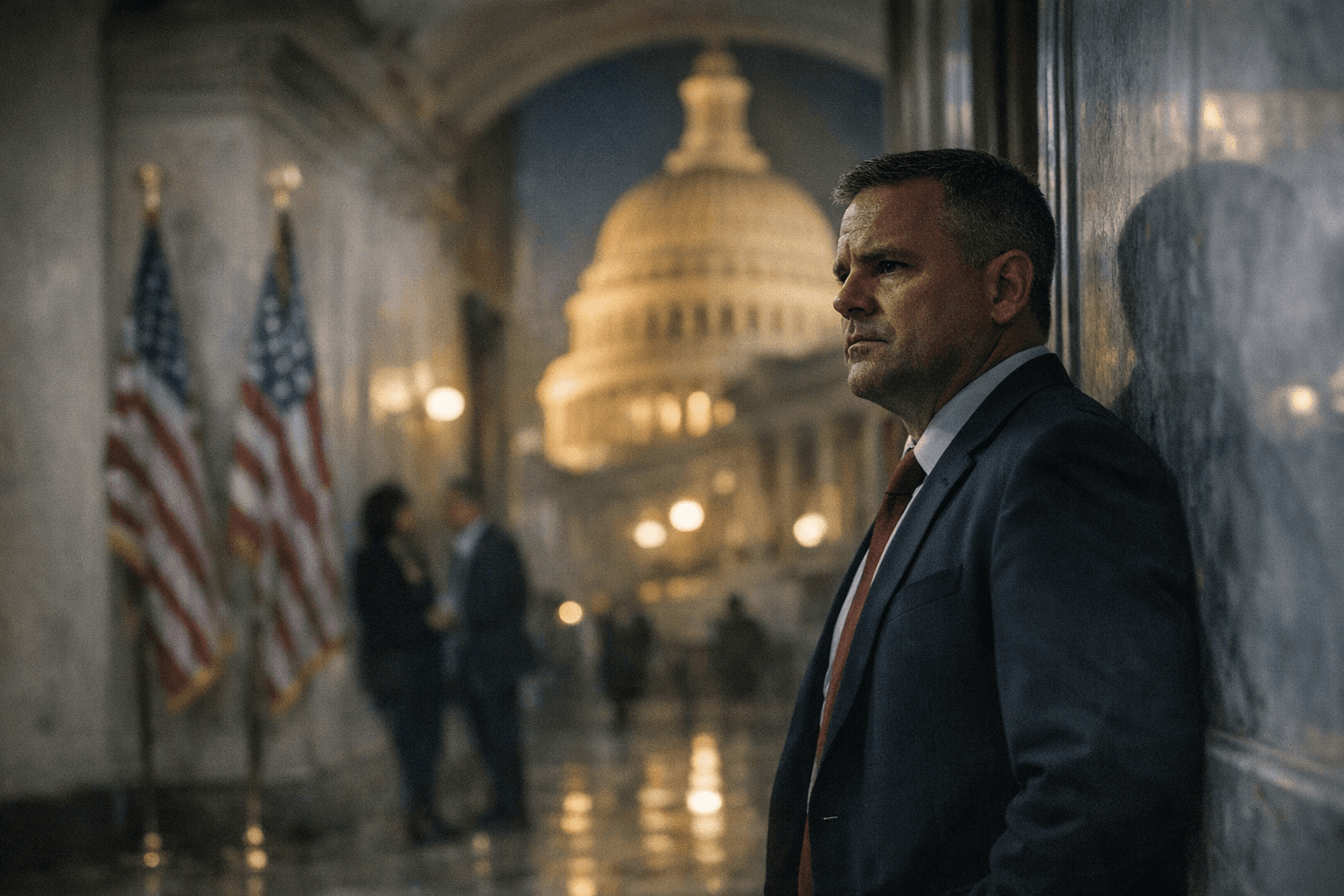
Sean Plankey withdrew his nomination to lead the Cybersecurity and Infrastructure Security Agency after more than 13 months of Senate stalemate, leaving the federal government’s civilian cyber defense arm without a permanent, Senate-confirmed director as election-security and infrastructure risks continue to mount.
In a letter to the White House on Wednesday, Plankey said, “after thirteen months since my initial nomination, it has become clear the Senate will not confirm me.” President Donald Trump first nominated him in March 2025 and renominated him in January 2026, but the U.S. Senate never acted, with resistance from Sen. Rick Scott, R-Fla., helping to stall the process for more than a year.
The withdrawal capped a period in which CISA was nearing a full year without a permanent leader. That gap matters because the agency is responsible for defending federal networks and critical infrastructure, including the systems that underpin elections, power, communications and emergency response. Cyber experts warned during the confirmation fight that the vacancy was slowing policy work and leaving an already strained workforce unsettled, just as ransomware attacks, telecom security concerns and election-security planning demanded steady direction.
A separate procedural fight also complicated Plankey’s path. Sen. Ron Wyden, D-Ore., placed a hold on the nomination until CISA released an unclassified 2022 report on security problems at U.S. telecommunications companies. The dispute underscored how a leadership confirmation can become a proxy battle over what the agency has told lawmakers and the public about vulnerabilities in a sector that sits at the center of federal cyber defense.
Plankey’s standing inside the Department of Homeland Security also weakened while the nomination dragged on. In March 2026, he was removed from his DHS Coast Guard advisory role, an episode that reinforced the uncertainty surrounding his prospective appointment and the broader instability in filling top national-security posts.
CISA’s leadership vacuum has become more than a personnel dispute. It is now a test of whether the Senate and the White House can keep pace with the demands of federal cyber defense, or whether critical posts will remain stuck in limbo while the threats keep moving.
This article was produced by Prism’s automated news system from verified source data, official records, and press releases, then run through automated quality and moderation checks before publishing. The system is built and supervised by the people who set the standards it runs under. Read our full AI policy.
Did this article answer your question?

