Sunak urges tax break on hiring as AI threatens graduate jobs
Rishi Sunak said graduate job fears are real as AI makes people costlier than machines. He wants employer payroll taxes cut to stop firms from choosing automation.
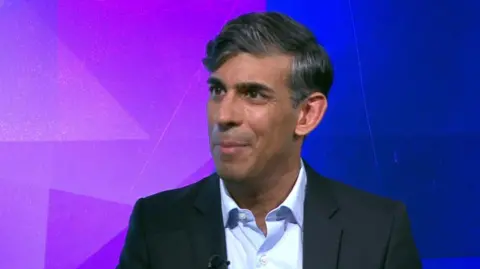
Rishi Sunak has thrown Britain’s payroll tax debate into the middle of the AI panic gripping young workers, arguing that governments should consider cutting the tax penalty on hiring before automation makes entry-level jobs scarcer still. In comments published in The Times in March 2026, the former prime minister said graduates’ worries about getting a first job were justified and warned that the system was “tilted against hiring people.”
His case rests on a simple comparison: employers pay National Insurance when they take on staff, but AI carries no equivalent tax burden. That difference, Sunak argued, gives firms an immediate reason to weigh software against people, especially for routine tasks that once served as the first rung on the career ladder. He said policymakers now face a choice between using AI to make workers more productive or allowing it to push companies toward full automation.

The timing matters because the cost of employing people in the UK has already risen. From 6 April 2025, the Labour government increased the employer National Insurance rate from 13.8% to 15%, cut the secondary threshold to £5,000 and lifted the Employment Allowance to £10,500. The rise made every new hire more expensive at the margin, even as the allowance softened the blow for smaller firms. Sunak’s proposal would go in the opposite direction, reducing or removing the tax on work just as technology is changing who gets hired and who gets skipped.
The urgency is being reinforced by warnings from business and international groups. The World Economic Forum said in March 2026 that US entry-level jobs had fallen by 35% over the previous 18 months, largely because of AI. The British Chambers of Commerce said the same month that AI adoption was driving a sharp decline in entry-level jobs and worsening the UK’s long-running skills shortages. Together, those signals suggest that the problem is not only how many jobs exist, but whether firms still need large numbers of junior workers at all.
That is why a payroll-tax cut may help, but only at the edges. Lower employer National Insurance would make a trainee, a junior analyst or a first-time office hire a little less costly, and it could nudge firms toward keeping humans in roles that are not fully automatable. But if AI can do the work faster and more cheaply, the deeper answer may lie elsewhere: wage subsidies to make hiring young workers cheaper, retraining to move graduates into harder-to-automate tasks, and direct incentives for firms that choose people over machines. Sunak has reopened a question that is likely to define the politics of work for years: whether governments want to tax labor less, or simply accept that the first job is becoming a more fragile thing.
This article was produced by Prism’s automated news system from verified source data, official records, and press releases, then run through automated quality and moderation checks before publishing. The system is built and supervised by the people who set the standards it runs under. Read our full AI policy.
Did this article answer your question?

