Secret Service surges White House security, eyes thousands more hires
Secret Service increases visible presence at the White House and former presidents' homes amid international tensions; plans call for thousands of new personnel over several years.

The U.S. Secret Service announced a surge in visible security at the White House, the residences of former presidents, and other key sites, a move multiple outlets linked to Iran strikes that has heightened protection across the capital and stretched local law enforcement resources. At the same time, reporting based on internal planning documents indicates the agency is preparing a multi-year expansion that would add thousands of personnel, with a significant portion slated for the D.C. region.
The immediate increase in patrols and visible posts has focused attention on what officials and reporting describe as a wider problem of capacity. Deputy Director Matthew Quinn warned in a published report that “Our numbers are low to meet those needs,” language echoed in the Washington Informer’s account that the agency is “moving to dramatically expand its presence in the District as federal officials confront a surge in credible threats tied to escalating global tensions and a growing number of flashpoints that have placed the nation’s capital on heightened alert.”
The two threads of reporting paint the picture of an agency responding on two timelines: an operational surge tied in some accounts to recent Iran strikes, and a longer-term staffing plan described in internal planning documents as adding thousands of personnel “over the next several years.” The Washington Informer framed the expansion as a reaction to demonstrations, diplomatic fallout, and security operations linked to U.S. actions in Venezuela and Nigeria, along with “continued threats involving Cuba, Greenland, Colombia, Mexico, and other sovereign nations.” Multiple outlets, meanwhile, specifically linked the immediate visible surge to concerns after Iran strikes.
The Secret Service’s statutory responsibilities, protecting the White House complex, foreign embassies, visiting heads of state, and major political figures, place it at the center of a city that hosts near-daily protests. Law enforcement officials told reporters demonstrations “remained largely peaceful,” but acknowledged that the “volume of activity, combined with online threats linked to international developments, has stretched resources.” That strain is the central operational justification officials have cited for both short-term reinforcements and a proposed longer-term buildup.
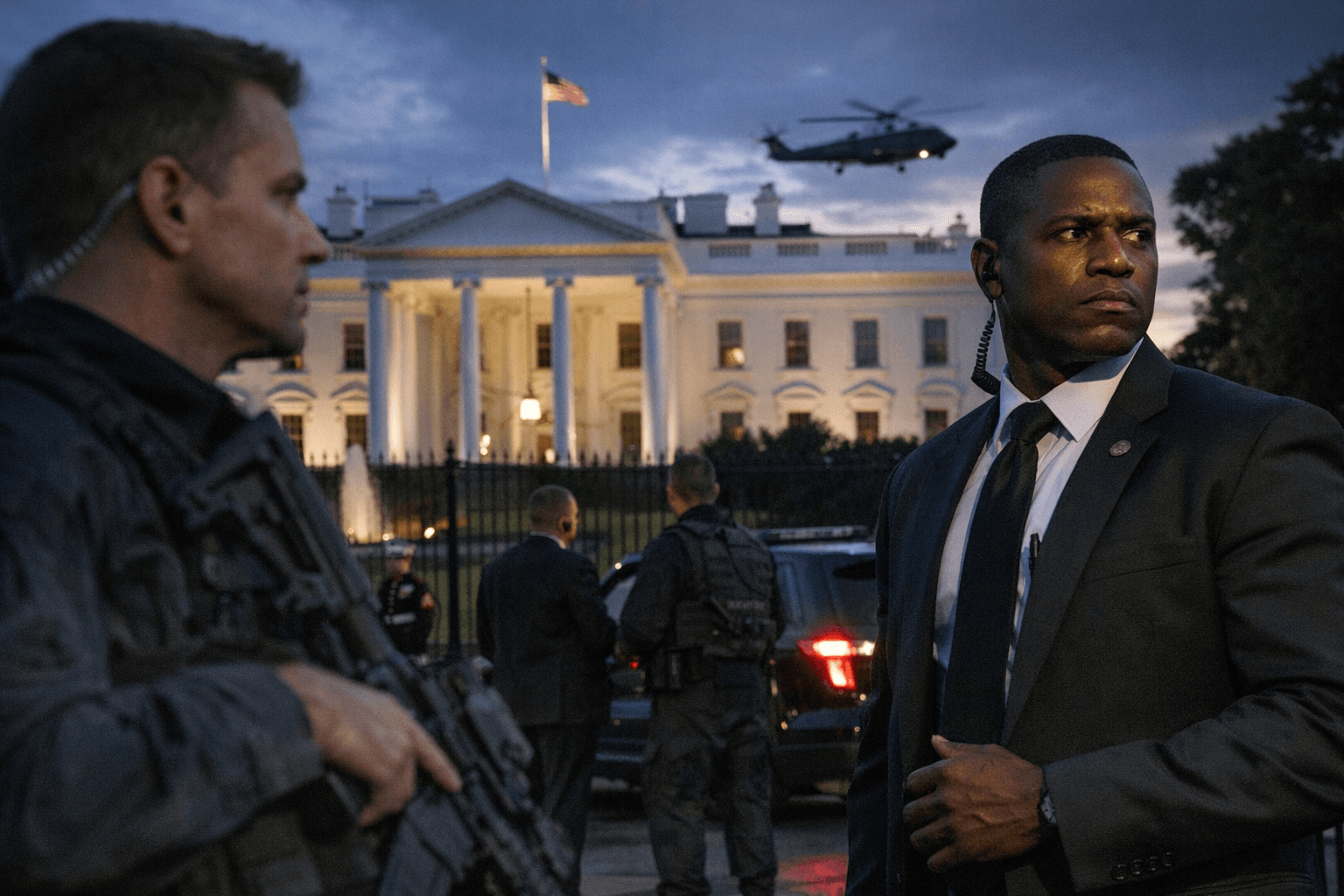
The security moves carry public health and community implications that extend beyond policing. Increased checkpoints, more armed posts, and a larger federal presence can complicate access to hospitals and clinics for residents and demonstrators, strain emergency medical response routes, and elevate stress for communities that already experience disproportionate policing. Public health experts and community advocates have long warned that concentrated law enforcement activity in neighborhoods can exacerbate mental health burdens, deter people from seeking care, and widen inequities in service access.
Policy questions follow: a plan to add thousands of agents over several years would require sustained budget commitments, new hiring pipelines, and oversight to ensure resources address both protective duties and community safety. Where those personnel will be stationed, how they will coordinate with Metropolitan Police and other agencies, and how the agency will mitigate impacts on local residents are matters requiring public clarification.
For Washington residents, the immediate consequence is a more visible protective posture and the prospect of an expanded federal footprint in daily civic life. Officials have emphasized protection of leaders and diplomatic missions; critics warn that without transparent planning and attention to equity, the move risks deepening mistrust between communities and the institutions charged with their safety.
Know something we missed? Have a correction or additional information?
Submit a Tip

