Security fears rise as Colombia heads toward violent presidential vote
Two campaign aides were killed in Meta as Colombia neared its May 31 vote, sharpening fears that armed groups could distort turnout and campaigning.
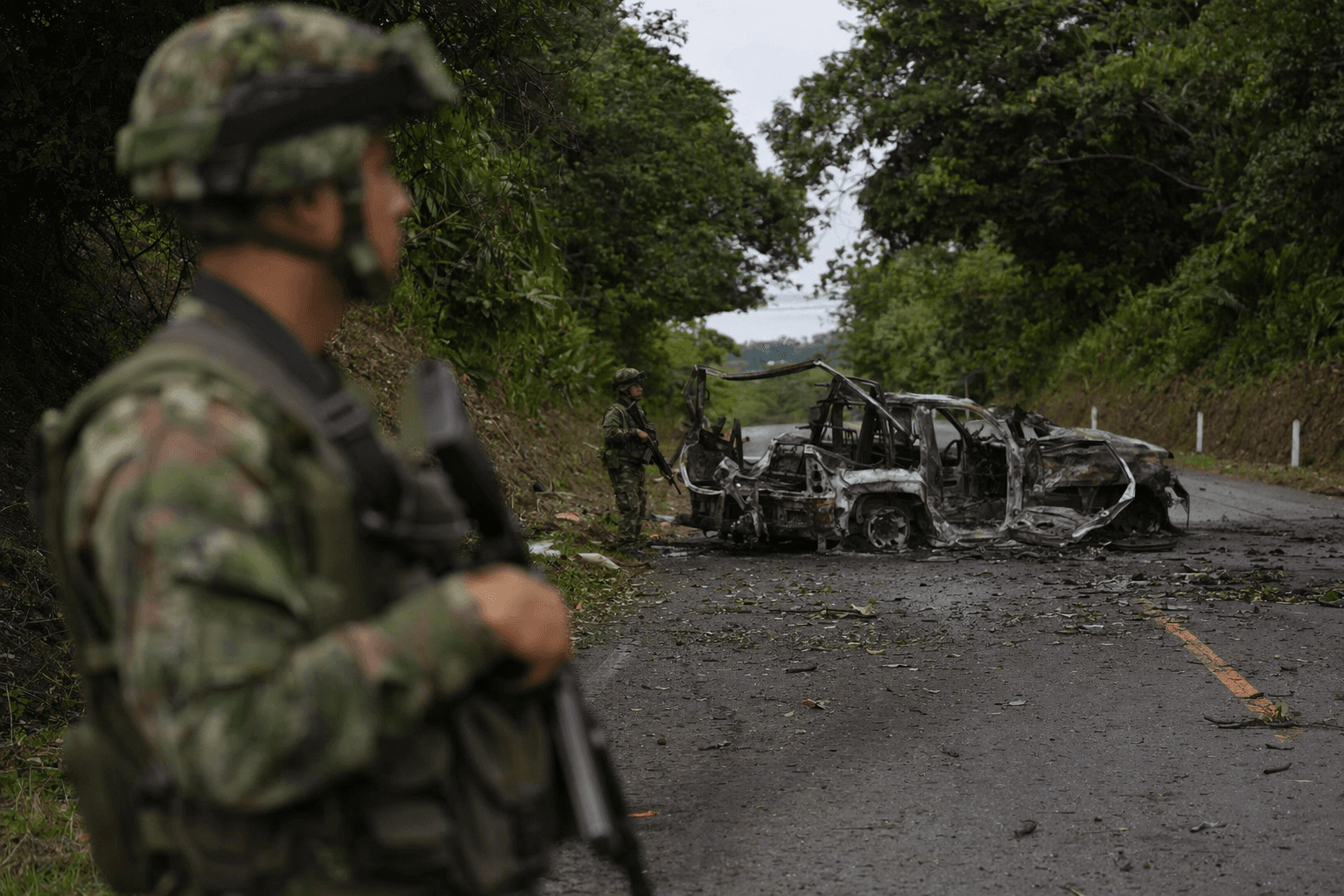
Gunmen on motorcycles killed two campaign staffers for right-wing presidential contender Abelardo de la Espriella in Meta department on Friday night, a deadly reminder that Colombia’s next vote is unfolding under the shadow of political violence. The attack landed in a region known as a stronghold for rebels who rejected the 2016 peace accord and as a conduit for cocaine trafficking, exactly the kind of terrain where armed groups can still shape public life.
The timing matters. Colombia is scheduled to hold its first-round presidential election on May 31, with a runoff on June 21 if no candidate wins more than 50 percent. The winner is due to take office on August 7, replacing Gustavo Petro, the country’s first leftist president, who is constitutionally barred from seeking reelection after his 2022 victory.
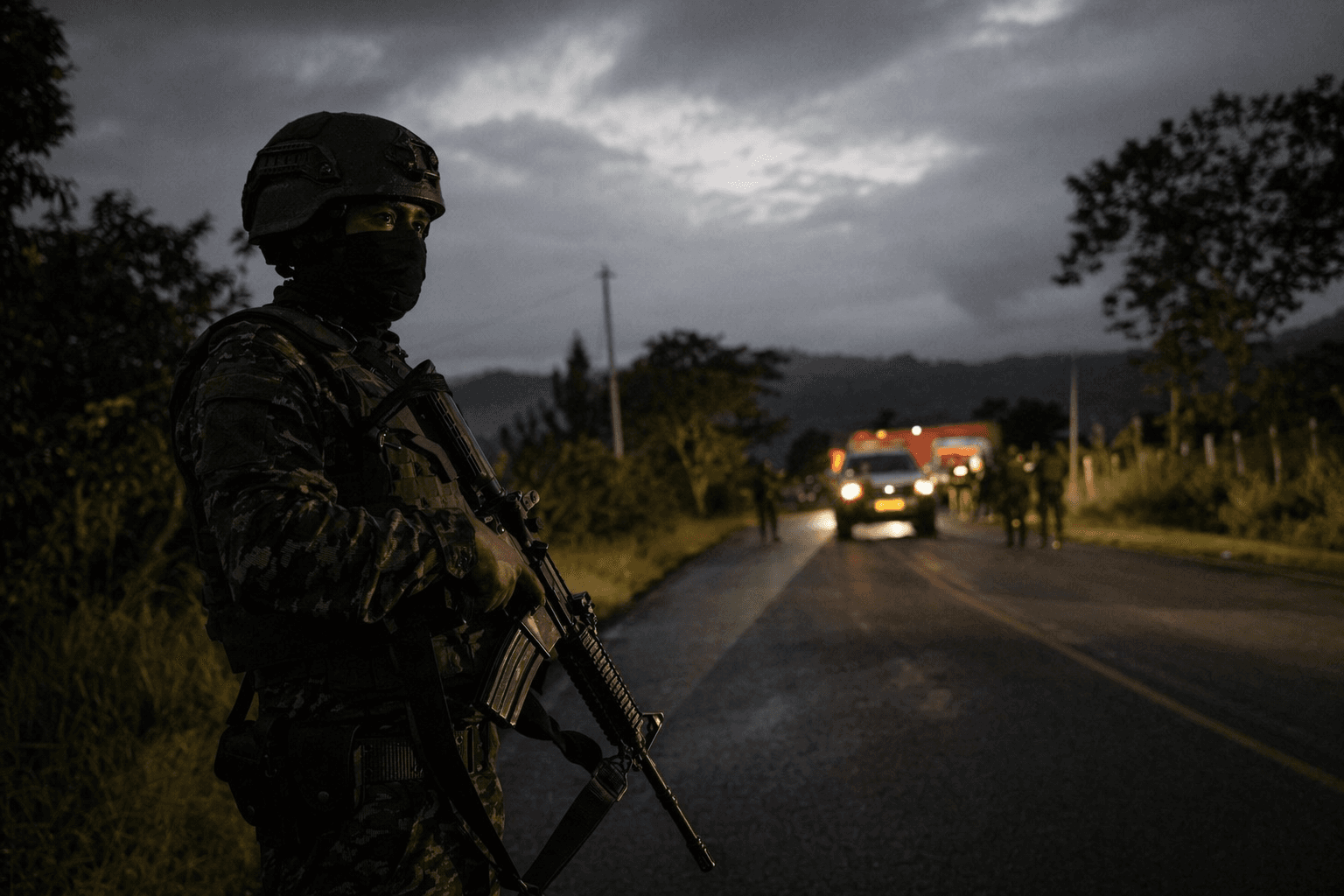
Security has become the central issue of the campaign, and the latest killings only deepen doubts about whether candidates can move freely and voters can participate without fear. De la Espriella, leftist front-runner Iván Cepeda and another major candidate have all reported death threats and have been traveling with heavy security. Cepeda’s vice-presidential running mate was kidnapped for a few hours in February by rebels who reject the peace deal, a sign that intimidation is not confined to isolated incidents.
The campaign has already been marked by bloodshed. Miguel Uribe Turbay, a presidential hopeful, was shot during a campaign event in June 2025 and later died. The Electoral Observation Mission says at least 61 political leaders have been killed ahead of the 2026 elections, while candidates face threats in 130 municipalities, about one-third of Colombia.
That violence raises a broader test of democratic stability. Colombia has 41.4 million voters, and turnout averages just 46 percent, making participation highly sensitive to fear, logistics and trust in the state. In a country where local armed groups still operate across large stretches of territory, even a small rise in intimidation can suppress rallies, narrow campaigning to safer urban centers and discourage turnout in rural districts.
The stakes also extend beyond Colombia’s borders. U.S. officials and some members of Congress have voiced concern about Petro’s counterdrug and security policies, adding pressure on a government already struggling to show it can protect candidates, election workers and voters. With the first round only weeks away, authorities face a basic credibility test: whether they can guarantee a free and fair election in places where armed actors still decide who travels, who speaks and who lives.
This article was produced by Prism’s automated news system from verified source data, official records, and press releases, then run through automated quality and moderation checks before publishing. The system is built and supervised by the people who set the standards it runs under. Read our full AI policy.
Did this article answer your question?


