Self-Judging Rubric Boosts Miniature Painters' Competition Success by Revealing Flaws
Painters using a self-judging rubric spot weak contrast, unclean seams, and inconsistent finishing before sending work to competitions or clients, improving submission success.

A self-judging rubric is helping miniature painters catch the small flaws that cost entries and commissions: weak contrast, unclean seams, and inconsistent finishing. Painters who run a consistent checklist over a model before submission report fewer last-minute fixes and a clearer sense of whether a piece is competition-ready or client-ready.
Entering a painting competition or submitting work for a client can be stressful, and that pressure often masks technical problems. Evaluating pieces against a consistent rubric before submission forces a deliberate pass focused on the exact issues that judges and clients notice most: contrast between light and shadow, seam lines left by assembly, and finishing that does not match the intended gloss or matte level. That step turns subjective worry into concrete tasks.
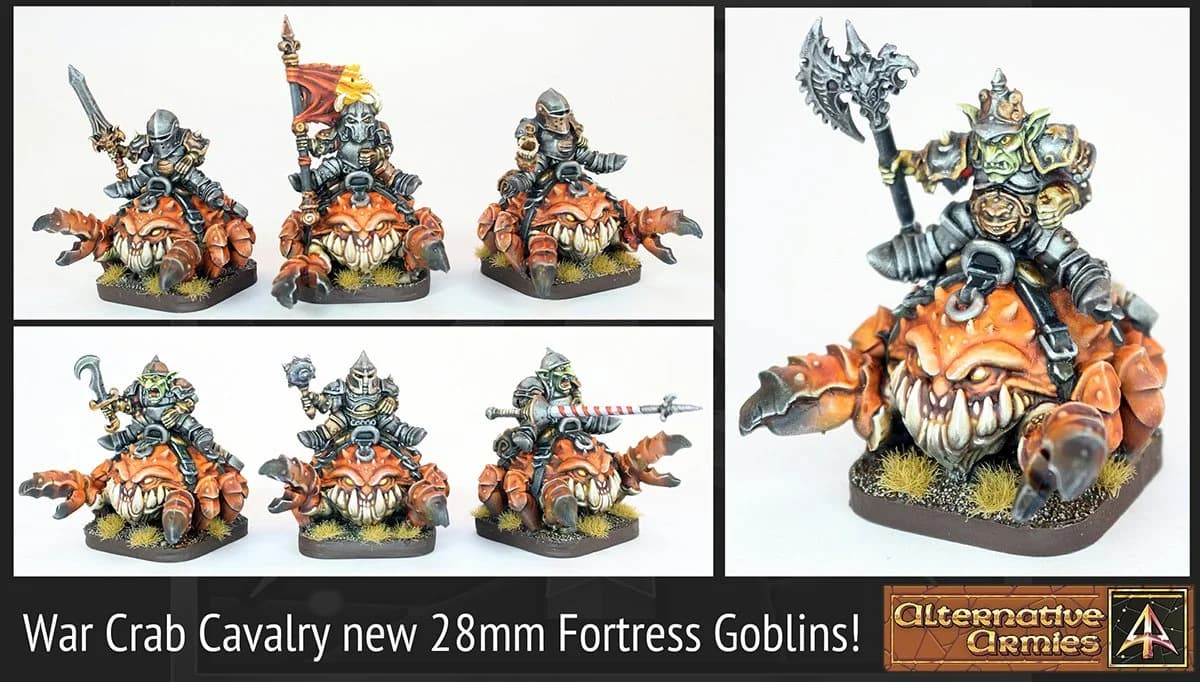
The rubric concept is simple in practice: a repeatable set of criteria applied to every model prior to shipping or judging. Using the same rubric across multiple pieces gives painters a common standard to compare against, so a model with weak contrast fails the same test whether it is a cavalry miniature for a competition or a commission for a client. Consistency also shortens the final review - painters stop guessing whether a seam is acceptable and instead check the specified seam standard in the rubric.

Beyond technical fixes, the rubric reduces submission anxiety by creating measurable stopping points. Painters who adopt a self-judging rubric report clearer decisions about reworking areas that show inconsistent finishing and knowing when a model meets the standard or needs another session. That clarity affects real outcomes: pieces sent after a rubric pass avoid obvious errors that judges penalize and clients return for correction.
Looking ahead, the straightforward benefit of spotting weak contrast, unclean seams, and inconsistent finishing suggests wider adoption among painters who regularly enter competitions or take commissions. A self-judging rubric does not replace critique or peer review, but it reveals the avoidable flaws that most often determine whether a miniature succeeds in competition or satisfies a client.
Know something we missed? Have a correction or additional information?
Submit a Tip