Semaglutide may slow biological aging in adults with HIV
Semaglutide was linked to a 9% slower epigenetic aging rate in adults with HIV, but the signal came from biomarkers, not proof of longer life.
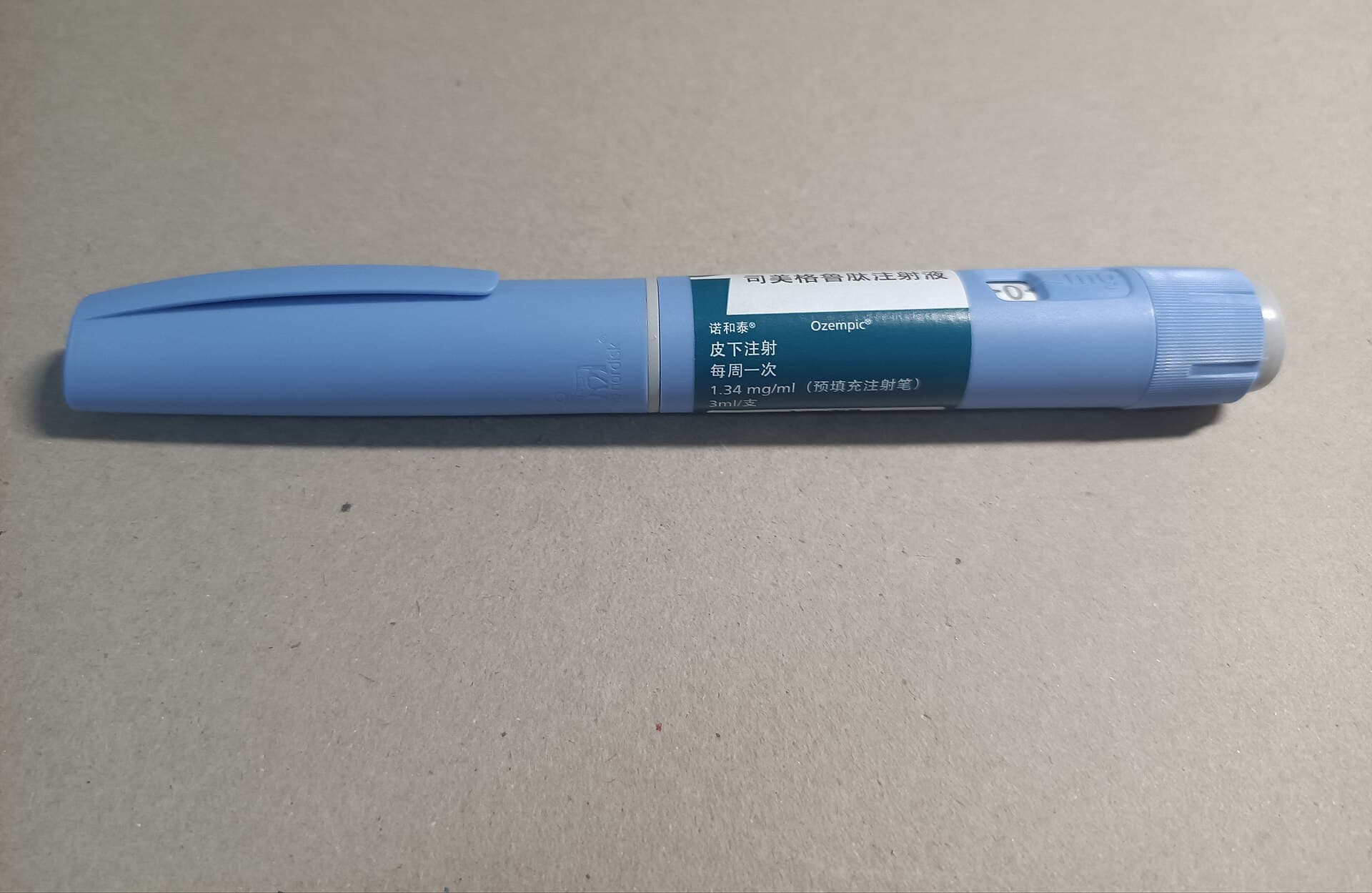
Semaglutide, the GLP-1 drug behind Ozempic and Wegovy, has been linked to a slower pace of biological aging in adults living with HIV, adding a new layer to the debate over whether blockbuster weight-loss medicines can affect more than body weight. The finding comes from biomarker data, not from a lifespan study, and the authors treat it as an early signal rather than proof of an anti-aging effect.
The Nature Communications paper, titled Semaglutide slows epigenetic aging in a randomized trial of HIV-associated lipohypertrophy, analyzed a 32-week, double-blind, placebo-controlled phase 2b trial. The parent study enrolled 108 participants, and 8 people in each group withdrew early. In the aging analysis, researchers focused on adults with HIV who were virologically suppressed, non-diabetic, on stable antiretroviral therapy and had BMI of at least 25 kg/m2 plus abdominal adiposity, including increased waist circumference or waist-to-hip ratio. The paper was received on July 22, 2025 and accepted on April 24, 2026.

Using paired peripheral-blood methylomes and several DNA-methylation clocks, the team reported a 9% reduction in biological aging speed on the DunedinPACE measure. The analysis also pointed to improvements in markers tied to mortality risk and age-related disease, with effects seen across measures associated with the blood, brain, heart, liver, kidneys and metabolic health. The study lists Allison Ross Eckard, Grace A. McComsey, Nicholas T. Funderburg, Qian Wu, Abdus Sattar, Kate Ailstock, Morgan Cummings and Danielle Labbato among its authors, reflecting work spanning University Hospitals Cleveland Medical Center and Case Western Reserve University in Cleveland, Ohio; the Medical University of South Carolina in Charleston, South Carolina; and Weill Cornell Medicine in New York City.
The result builds on earlier work from the same trial, which used an 8-week titration followed by 24 weeks of 1.0 mg weekly subcutaneous semaglutide injections. That inflammation analysis found lower levels of C-reactive protein, interleukin-6 and soluble CD163, with a trend toward lower sCD14. Together, the studies suggest semaglutide may influence inflammatory pathways and epigenetic markers linked to aging in people with HIV-associated lipohypertrophy.
The context matters. People living with HIV can face accelerated biological aging even when the virus is controlled, because chronic inflammation and immune activation can push age-related disease earlier in life. Nature reported in 2024 that semaglutide reduced abdominal fat in people with HIV-associated lipohypertrophy, and a 2025 Nature review described GLP-1 drugs such as semaglutide and tirzepatide as highly effective therapies for diabetes and obesity while noting growing longevity interest. For now, the new data widen the gap between hype and evidence: semaglutide may be changing aging-related markers, but it is not yet proven to extend life or reverse aging.
This article was produced by Prism’s automated news system from verified source data, official records, and press releases, then run through automated quality and moderation checks before publishing. The system is built and supervised by the people who set the standards it runs under. Read our full AI policy.
Know something we missed? Have a correction or additional information?
Submit a Tip