Seminole County Jury Convicts Damiroquan McGill of Violent Career Criminal Firearm Possession
A Seminole County jury found Damiroquan J. McGill guilty Feb. 25, 2026, of possession of a firearm as a violent career criminal, the 18th Judicial Circuit announced Mar. 2.
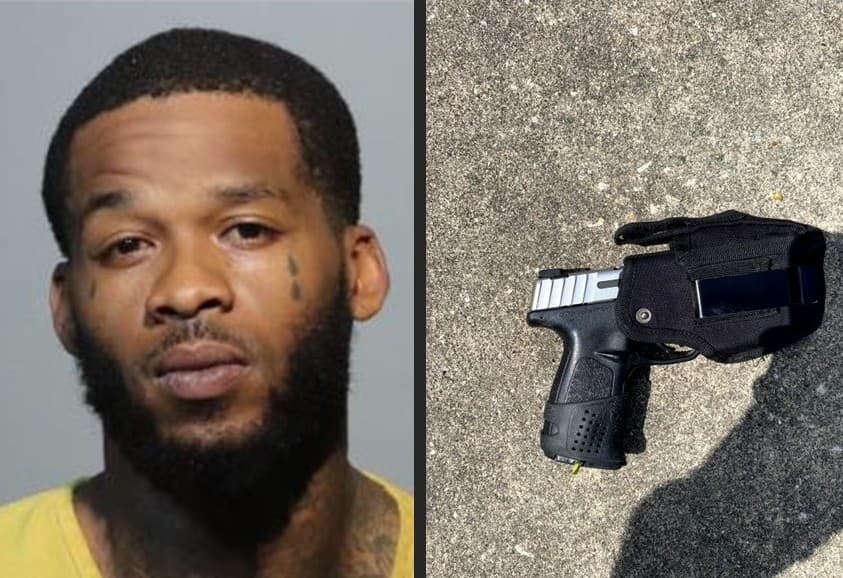
A Seminole County jury convicted Damiroquan J. McGill on Feb. 25, 2026, of the enhanced charge of Possession of a Firearm by a Violent Career Criminal, the Office of the State Attorney for the 18th Judicial Circuit said in a press release published Mar. 2, 2026. The announcement identified the verdict and the jurisdiction but did not include the trial docket number, the prosecutor’s name, or the defense attorney for McGill.
The enhancement McGill was convicted under carries elevated exposure under Florida law. Hanlon Law’s written analysis of violent career criminal doctrine notes, “Florida’s sentencing enhancements for violent career criminals carry some of the harshest penalties in the state, including potential life imprisonment.” That same analysis states that whether prior convictions qualify as predicate offenses “can be a complex question of statutory interpretation,” and the press release did not list the three predicate convictions the statute requires when applied.
The Office of the State Attorney’s press release contains no factual narrative of the underlying incident that led to the firearm possession charge, no list of predicate convictions relied on at trial, and no scheduled sentencing date for McGill. Those specifics — the alleged facts, which prior convictions the State used to obtain the enhancement, and whether the State will seek a life sentence — remain unreported in the release and will be found in court filings and the Seminole County docket.
The McGill verdict follows a pattern of high-profile violent-offender prosecutions in the region. In a separate Seminole County case, Rocky Rudolph, age 42, was convicted of attempted manslaughter and aggravated battery on a law enforcement officer and was sentenced to 30 years after evidence including body-worn camera and dash-camera video showed a deputy being dragged during a traffic stop. Gino Feliciani, assistant state attorney in the Rudolph matter, told reporters, “He has committed 20 felony crimes over a 20 year period. He absolutely would have committed more crimes.”

Nearby Lake County cases show similar stakes when courts apply violent career criminal or habitual offender labels. An Orlando Sentinel excerpt about a separate defendant, Calvin Earl Mayes, lists convictions for armed burglary and aggravated assault and notes Mayes “could be deemed a ‘violent career criminal’” and face life in prison; that excerpt also names Assistant Public Defender James R. Baxley and Circuit Judge Mark J. Hill and references a victim, Marie Hardrick. The Sentinel excerpt includes an apparent date inconsistency for the burglary that should be verified against court records.
With the 18th Judicial Circuit’s Mar. 2 press release confirming only the Feb. 25 guilty verdict and the enhanced count, McGill’s sentencing exposure remains an open legal question. Under existing Florida precedent and the legal analysis cited by defense and appellate practitioners, designation as a violent career criminal can transform a firearm-possession conviction into a case that potentially carries life imprisonment unless prosecutors or courts specify otherwise.
Know something we missed? Have a correction or additional information?
Submit a Tip