Seminole County outlines disaster preparedness steps, local help resources
Seminole County emergency officials say hurricane season runs June 1–Nov. 30 and outline year‑round steps, shelter options and local contacts, including prepareseminole.org, DOH and The Sharing Center.

“We want people to be prepared, not scared,” said Alan Harris, Seminole County’s emergency manager, as county agencies push year‑round readiness for tropical storms, hurricanes, flooding and rare freezes that threaten the region. Below is a step‑by‑step guide to the county’s preparedness expectations, the roles of local agencies, where to get help, and the specific contacts and documents residents should consult.
1. Know the hazards and the season
Seminole County sits in a region that can be affected by tropical storms, hurricanes, rare freezes, flooding and other emergencies. Hurricane season starts June 1 through November 30; county officials emphasize that “Hurricane season doesn't end until November 30,” and that disasters can occur at any time. Understanding these local risks determines when to check plans, insurance and supplies.
2. Develop a household disaster plan
County workshops stress that you should develop a plan that covers evacuation routes, where you’ll reunite with family and how you’ll communicate if phone service is disrupted. Alan Harris advised: “You should check your insurance and figure out a recovery plan just in case. Search if you are in an evacuation zone and find your nearest shelter, and create disaster kits with food, water, medicine, and other general supplies.” Write down evacuation zones and shelter locations now so you can act quickly during a warning.
3. Assemble and maintain disaster kits
Officials recommend disaster kits that include at minimum food, water and medicine; emergency kit instructions are taught at county events and in OEM materials. Typical workshop guidance includes rotating food and water before expiration and keeping at least several days’ supply of prescription medicines. The county’s public materials and Hurricane Action Day workshops cover creating supply and first-aid kits and other “general supplies” needed for recovery.
4. Use county OEM resources and planning materials
“The Office of Emergency Management (OEM) is responsible for performing technical work in the development, implementation, and management of countywide-disaster prevention, protection, response, recovery, and mitigation activities,” according to OEM language on county materials. OEM staff provide countywide planning, training and exercises, manage the County’s Emergency Operations Center during emergencies, and offer guidance to municipalities. Access OEM outreach materials, PSAs and event listings at prepareseminole.org and look for the county Strategic Plan (file fragment: Strategic Plan.pdf?sfvrsn=24ca6629_3) where available.
5. Attend or review OEM events and exercises
OEM hosts public events such as the second annual Hurricane Action Day and runs exercises to test the emergency operations center. Alan Harris said, “Over these last couple weeks, we’ve been doing a lot of disaster preparedness. We put on an exercise with over 100 participants, over 650 injects, real types of calls coming into the emergency operations center.” Those exercises reveal likely gaps in communications, sheltering and mutual‑aid coordination that residents should expect officials to address.
6. Know shelter types and accessibility
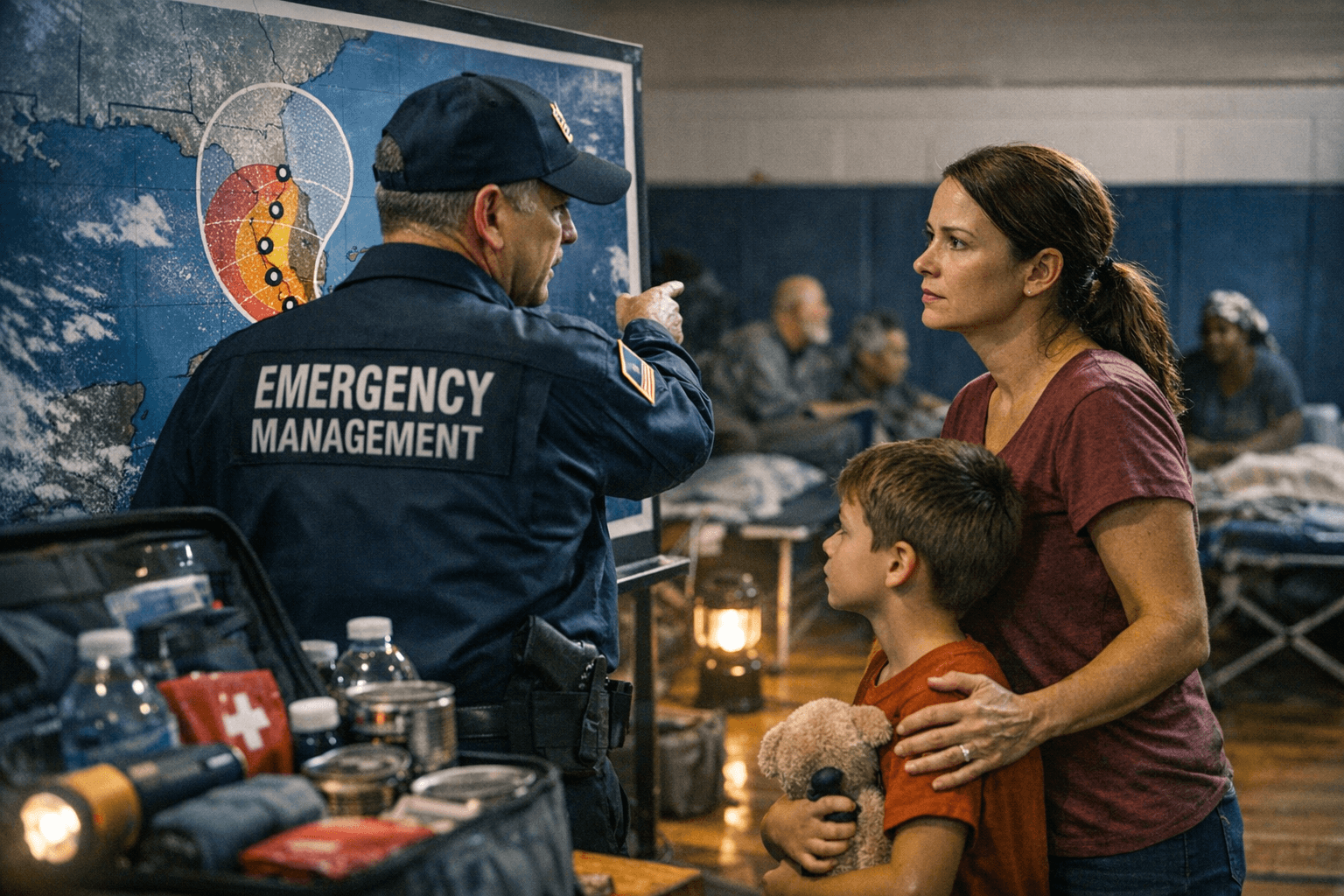
Seminole County opens general, pet‑friendly, and special‑needs shelters that also accept individuals without housing, according to local nonprofit guidance. The Sharing Center specifically urges that “Emergency shelters for homeless residents” are available and that sharing shelter information or offering transportation can be lifesaving. Confirm shelter locations and any registration requirements ahead of a storm.
7. Follow official evacuation and safety orders
The Seminole County Housing Authority advises: “In the event of a hurricane or other disaster, The Seminole County Housing Authority will take action that allows us to protect our tenants and property to the extent possible.” It reiterates: “It is very important that you stay informed of hurricane activity. Follow the instructions provided by law enforcement, elected officials, and other professionals regarding evacuation and other safety measures before, during, and after a hurricane.” Treat official evacuation orders as authoritative and plan transport and pet arrangements in advance.
8. Public health continuity and contacts
The Florida Department of Health in Seminole County’s Public Health Preparedness Office states it “strives to ensure that essential public health services are maintained during natural or man-made emergencies and disasters affecting Seminole County.” For public‑health continuity or questions contact the office at 407-665-3387, email CHD59Webmaster@FLHealth.gov, or mail to Att: Public Health Preparedness Office, 400 W. Airport Blvd., Sanford, FL 32773. The DOH page also carries a current copyright note showing © Copyright 2026.
9. Support people experiencing homelessness safely and effectively
The Sharing Center publishes specific guidance titled “Help our homeless neighbors before, during, and after a storm.” Before storms, its recommendations include “Share critical info,” “Donate emergency supplies,” and “Volunteer before the storm” to prepare kits and distribute food; during storms it points people toward opened general, pet‑friendly and special‑needs shelters and asks volunteers to help with transportation and information sharing. Contact The Sharing Center at (407) 260-9155 or inquiry@thesharingcenter.org to coordinate donations, volunteer shifts or to learn the nonprofits’ current supply needs.
10. Housing authority tenants: what to expect and missing details
The Seminole County Housing Authority page states plainly: “In the event of a hurricane or other disaster, The Seminole County Housing Authority will take action that allows us to protect our tenants and property to the extent possible.” It also urges tenants to stay informed and follow official instructions. Note: the published Housing Authority page shows headings for “Emergency Contact Phone Numbers” but the excerpted page contains placeholders rather than explicit phone numbers; tenants should confirm emergency contact information directly with the Housing Authority office before hurricane season.
11. How to stay informed in real time
County OEM materials, local TV coverage and weather apps are the primary channels officials recommend for staying informed. Local media promote tools such as the Spectrum News app for “hyperlocal forecasts, radar and weather alerts,” while OEM produces PSAs and the prepareseminole.org portal for county guidance. The Sharing Center and other nonprofits also post shelter and resource lists; many pages include “Sign up for alerts here” prompts, residents should enroll in local alert systems and test app notifications now.
12. Key planning documents to review
County planning documents cited by OEM include the Comprehensive Emergency Management Plan (CEMP), Continuity of Operations Plan (COOP), and Local Mitigation and Resiliency Strategy (LMRS); OEM says their development is “a cooperative effort with various local government entities, non-profit agencies, and faith-based organizations.” The county also references a Strategic Plan file (Strategic Plan.pdf?sfvrsn=24ca6629_3) for its strategic planning and tracking; residents and community organizations should request or download these documents from OEM to review priorities, mitigation projects and sheltering protocols.
13. Contacts and what’s missing from public pages
Essential contacts in available materials are prepareseminole.org (OEM portal), Florida Department of Health in Seminole County, 407-665-3387, CHD59Webmaster@FLHealth.gov, Att: Public Health Preparedness Office, 400 W. Airport Blvd., Sanford, FL 32773, and The Sharing Center, (407) 260-9155, inquiry@thesharingcenter.org. Several county pages show placeholders or links without full details (for example, the Housing Authority’s emergency phone numbers and The Sharing Center’s specific donation lists), so confirm those items directly with the agency before a storm.
14. What to do immediately and next steps
Alan Harris’ practical rubric applies: check insurance, identify if you are in an evacuation zone, find your nearest shelter, and create disaster kits with food, water, medicine and other essential supplies. Officials recommend attending OEM workshops, reviewing CEMP/COOP/LMRS materials if you represent a business or nonprofit, and registering on local alert systems. These actions reduce stress during a warning and speed individual and community recovery.
Conclusion Seminole County’s OEM, the Housing Authority, the Florida Department of Health and nonprofits such as The Sharing Center together outline a layered set of preparedness steps, shelter options and contact points for residents. With hurricane season defined as June 1 through November 30 and recurring county exercises, including events with “over 100 participants, over 650 injects”, officials are emphasizing readiness now: review your insurance, assemble kits, record evacuation and shelter plans, and consult prepareseminole.org and local agency contacts to finalize preparations before a storm approaches.
Sources:
Know something we missed? Have a correction or additional information?
Submit a Tip