Semrush roundup helps marketers analyze website traffic and growth opportunities
Traffic analysis is now an agency growth lever, not a vanity metric. The best tools help you benchmark rivals, prove value, and make sharper calls.
Website traffic analysis is the agency layer that turns numbers into decisions
The old habit of checking sessions and moving on is gone. Website traffic analysis is about measuring visitor volume and behavior, then reading the signal in views, bounce rates, traffic sources, landing pages, and the way people move through a site.
Google Analytics 4 changed the standard for that work. It treats an engaged session as one that lasts longer than 10 seconds, includes a key event, or has 2 or more page or screen views, and Google says bounce rate is the opposite of engagement rate. That matters because the old Universal Analytics model is no longer the baseline: standard UA properties stopped processing new hits on July 1, 2023, and by the week of July 1, 2024, most users lost access to current or historical UA data.
For agencies, that shift is bigger than a platform migration. It means traffic analysis is now part of prospecting, client reporting, competitive intelligence, and forecasting, not just an internal SEO checkpoint. The firms that can read traffic patterns cleanly have a better shot at finding winning campaigns, spotting weak pages, improving high-traffic content, segmenting audiences more precisely, and catching technical issues before clients feel them in revenue.
What the best tools have to do for agency work
A useful traffic tool has to answer practical questions, not just show pretty charts. Can you see where visitors come from, whether they are new or returning, which pages they land on, and how traffic shifts by geography, device, and channel? Can you compare one domain against another in a way that is fair enough to support a pitch, a quarterly review, or a budget conversation?
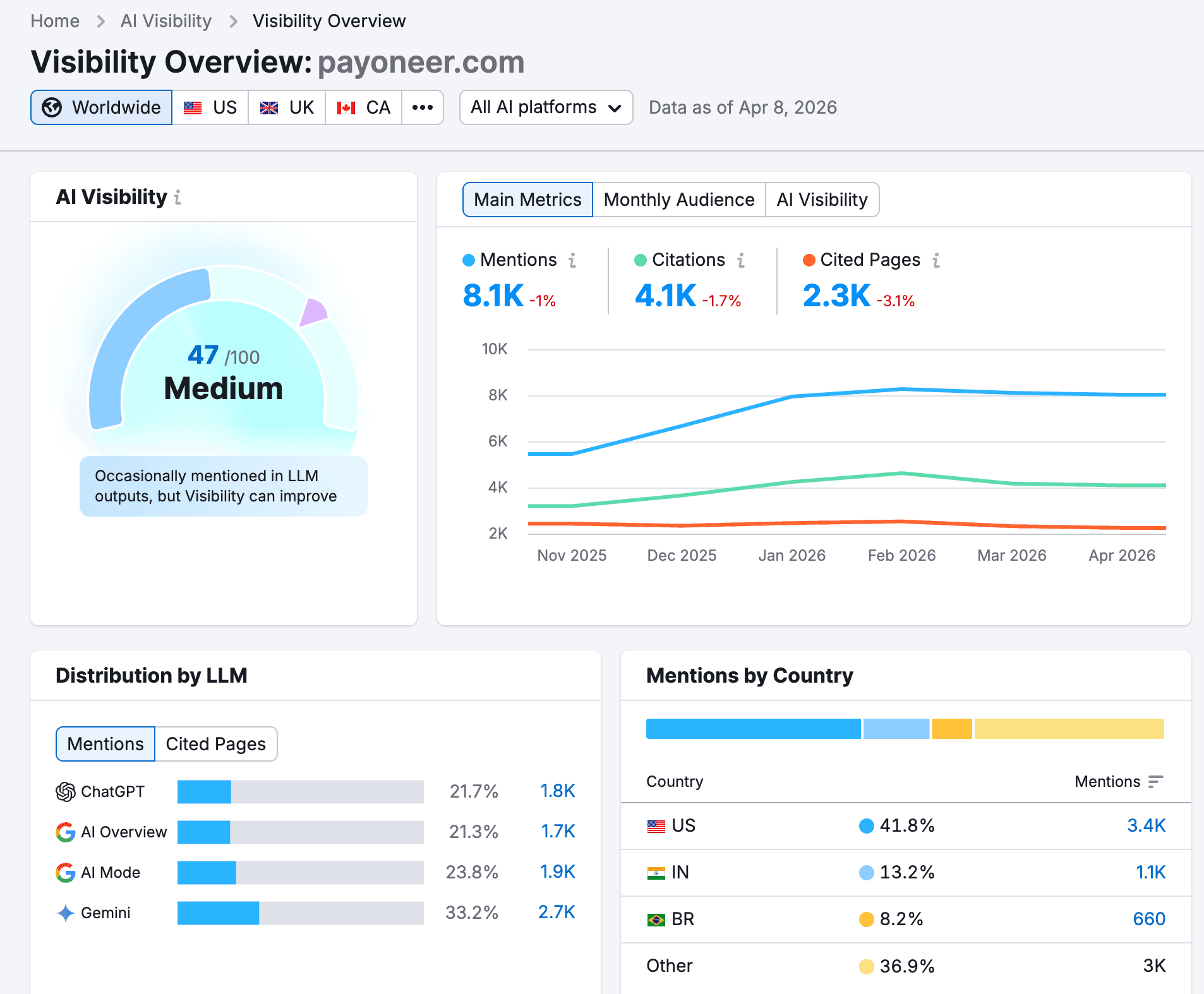
That is where Semrush’s Traffic Analytics and Traffic & Market Toolkit stand out in this roundup. Traffic Analytics is built as a competitive research tool that reveals traffic volume, traffic sources, audience mix, landing pages, journey behavior, and geographic distribution. The broader Traffic & Market Toolkit goes a step further, letting you benchmark competitors, research partners, and track traffic and marketing performance in one place. Semrush also says its traffic distribution numbers are designed to be comparable across domains, which is exactly the kind of detail that matters when you are trying to prove an opportunity instead of just describing one.
For an agency operator, comparability is not a nice-to-have. It is the difference between a dashboard that sounds impressive and a dashboard that supports a decision.
Prospecting gets easier when you can see the market, not just one site
Prospecting lives or dies on pattern recognition. If you are building a pitch, you need to know whether a prospect is underinvested in the channels that are already moving traffic for their category, whether their landing pages are doing the heavy lifting, and whether the audience mix suggests a reachable growth segment.
Semrush’s cross-domain view helps because it is built to compare competitors, prospects, and partners, not just report on a single property. That makes it easier to identify which sites are gaining traction by geography, which ones lean heavily on direct or organic traffic, and where a prospect may be leaving demand on the table. When a tool can show new versus returning users, landing pages, and channel performance in one place, your outreach becomes specific instead of generic.
That specificity is what sells retained strategy work. You are not saying a client needs “more traffic.” You are showing where traffic is coming from, which entry points are working, and which growth lanes are open right now.
Competitive intelligence is where paying more actually pays off
This is the part of the stack that usually gets underfunded, and it is the part agencies regret skimping on. Competitive intelligence is not just about tracking a rival’s total visits. It is about understanding where that traffic comes from, what it does once it arrives, and how it changes across devices, channels, and markets.
Semrush’s Traffic Analytics is built for that kind of read. Its value is in the combination of traffic volume, sources, audience insights, landing pages, journey data, and geo distribution. The Traffic & Market Toolkit adds the client-friendly layer by putting benchmark data, partner research, and performance tracking into one dashboard.

This is also where the broader tool market shows how the category is evolving. Similarweb describes itself as an AI-powered digital data intelligence platform and says it is trusted by more than 10,000 customers. Ahrefs says it helps marketers drive visibility across AI search, SEO, content, and social, and its Site Explorer product analyzes organic traffic, AI visibility, backlink profile, and paid traffic. Those positioning choices tell you something important: traffic analysis is no longer isolated from the rest of the marketing stack. It now sits next to AI visibility, backlink data, paid search, and content strategy.
For agencies, the premium should buy better judgment, not just more charts. If a tool helps you compare domains on comparable numbers, that usually means better competitive calls.
Client reporting gets stronger when engagement is measured honestly
Reporting is where weak measurement gets exposed fast. A client does not need a parade of vanity metrics. They need to know whether people are engaged, which campaigns are producing meaningful visits, and where the site is leaking attention.
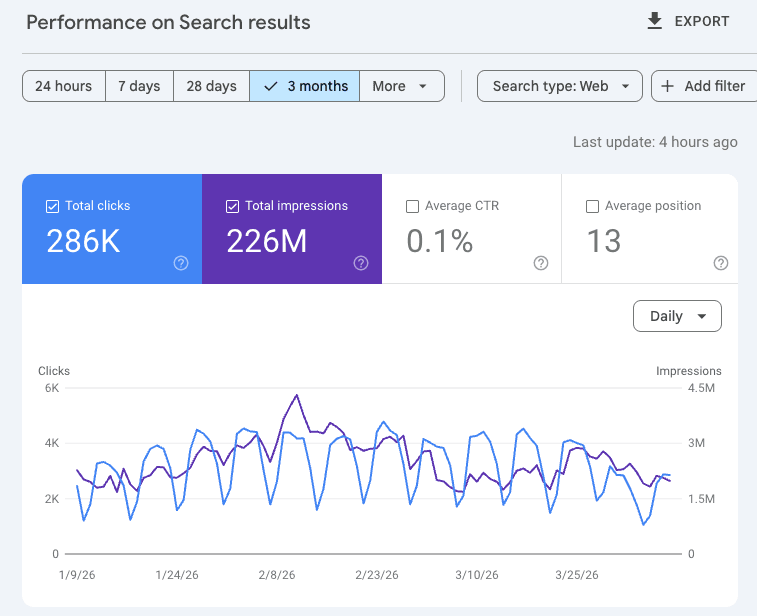
GA4’s engagement framework gives agencies a better story than raw session counts ever did. An engaged session means the visit lasted more than 10 seconds, triggered a key event, or included at least 2 page or screen views. Because bounce rate is the inverse of engagement rate, it is easier to show whether a landing page, campaign, or content cluster is actually holding attention.
That is useful inside a reporting workflow, but it is even more powerful when paired with competitive data. A client report that says “our organic traffic is up” is fine. A report that says “our traffic is up, our best landing pages are holding engagement, and our competitor comparison shows we are gaining share in this device segment” is the kind of report that keeps retainers alive.
Forecasting depends on continuous monitoring, not quarterly guesswork
The roundup’s bigger point is that traffic analysis has to be continuous. Performance can move quickly across channels and content types, especially in an AI-disrupted environment where search behavior and referral patterns can shift without much warning.
That is why the most useful tools are the ones that let agencies watch traffic changes over time and read them in context. New versus returning users, geography, device mix, channel performance, and landing page behavior all help forecast whether growth is durable or just a temporary spike. When traffic starts falling, the same view can help you separate a demand problem from a technical one.
That distinction matters. Traffic analysis can highlight low-engagement pages, show which content deserves another push, and detect technical issues that may be suppressing performance. In other words, it does not just explain the past. It helps you decide what to fix next.
The buying decision is really about operating leverage
Semrush’s pricing structure makes that clear. Its Business plan is aimed at agencies and mid-market companies, and it offers a seven-day free trial, plus additional-user and reporting add-ons. That is a signal that the market has moved past one-off reports and into shared operating systems for agency teams.
If you are buying for an agency, the question is not whether a tool can count traffic. It is whether it improves prospecting, sharpens competitive intelligence, strengthens client reporting, and makes forecasting less speculative. The tools that earn their keep are the ones that let you see both your own site and the market around it. That is where the real growth opportunities are hiding.
Know something we missed? Have a correction or additional information?
Submit a Tip